03-02/2026
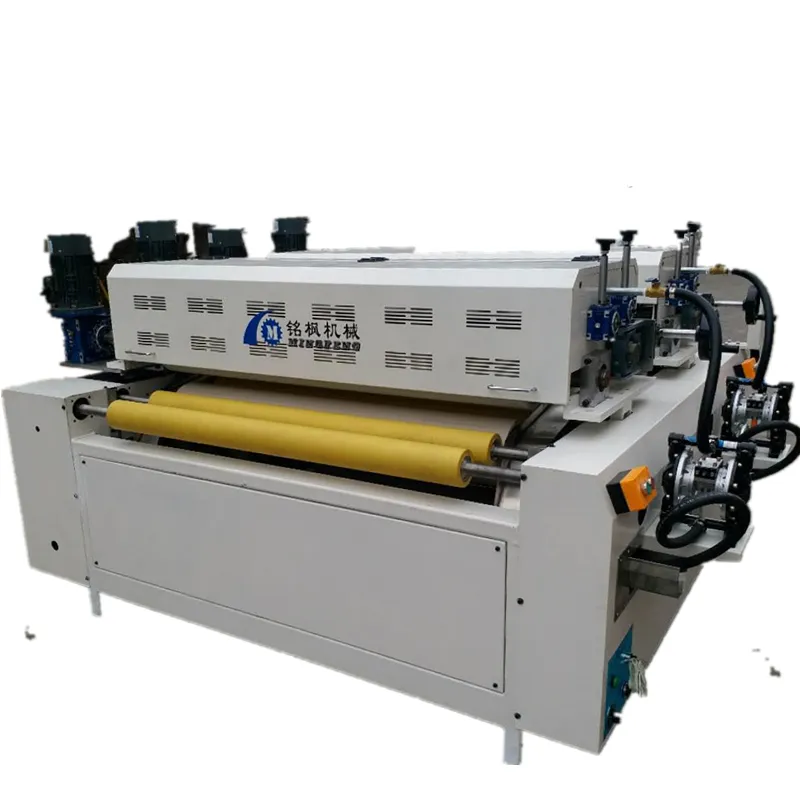
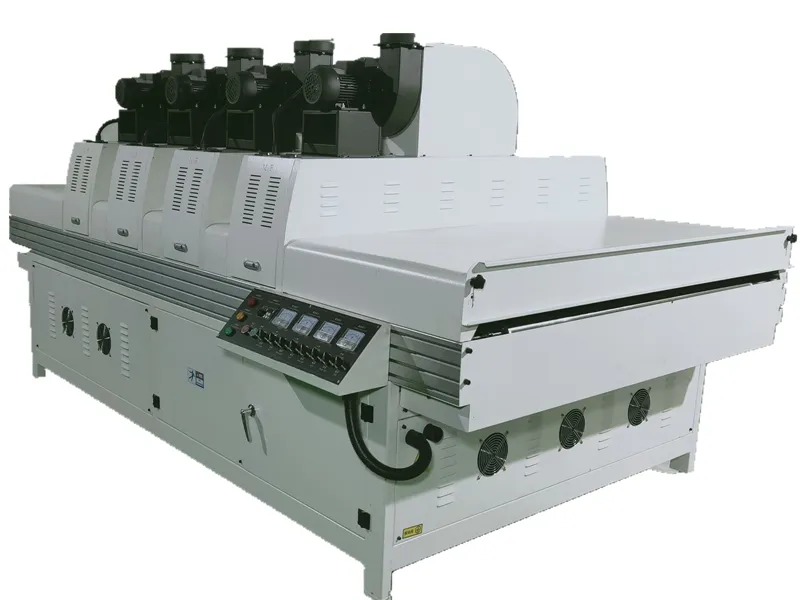
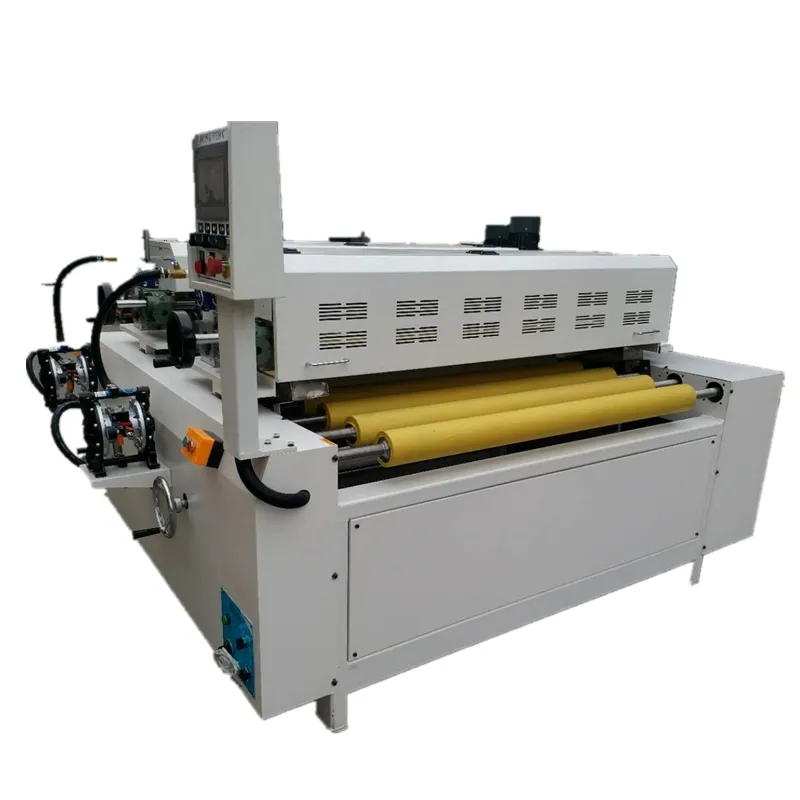
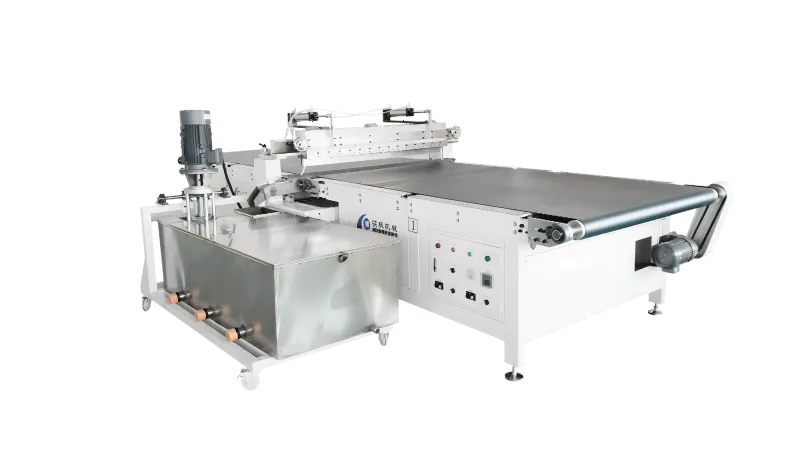
Xǔduō rén wù yǐwéi zhǐyào shèbèi jīngmì, jiù néng “zìdòng” bǔcháng bǎn miàn bùpíng. Shìshí shàng,UV roller coating machine de jiégòu juédìngle tā zhǐ néng zài píngzhěng biǎomiàn shàng shíxiàn lǐxiǎng tú bù. Yuányīn rúxià: 1. Gǔntǒng jiēchù fāngshì juédìngle zhuǎnyí jūnyún xìng túliào shì tōngguò gǔntǒng yǔ bǎn miàn zhī jiān de jīxiè jiēchù shíxiàn zhuǎnyí de. Ruò biǎomiàn cúnzài āotú, gǔntǒng yǔ āoxiàn qū huì chǎnshēng “xuánkōng”, dǎozhì zhèxiē qūyù qī liàng bùzú. 2. Jìliàng jiànxì gùdìng, wúfǎ dòngtài tiáozhěng jìliàng gǔntǒng yǔ tú bù gǔntǒng zhī jiān de jiànxì tōngcháng wèi 0.05–0.15 Mm, shì gùdìng zhí. Bǎn hòu bōdòng chāoguò jiànxì kòngzhì fànwéi, biàn huì zàochéng qī céng hòubáo chāyì. 3. Túliào de liúdòng xìng yǒuxiàn UV túliào niándù jiào gāo (yībān 20–40 miǎo/tú-4 bēi), jíbiàn zài āoxiàn chù yě nányǐ zìliú píng. Yīncǐ, ruò biǎomiàn yǒu míngxiǎn bùpíng, túliào nányǐ zìdòng tiánbǔ kòngxì. 4. Gùhuà hòu wúfǎ zài liúdòng xiūzhèng UV gùhuà shì shùnjiān wánchéng de wùlǐ guòchéng, bù huì xiàng róngjì xíng túliào nàyàng liú píng. Yīdàn guāngzhào gùhuà, suǒyǒu hòubáo bù jūn jiāng bèi “dìnggé”. Zòng shàng, píngzhěng dù zhíjiē juédìng tú céng zhìliàng, yěshì pànduàn néng fǒu shǐyòng UV roller coating machine de guānjiàn tiáojiàn zhī yī. Nǎxiē chéngdù de bùpíngbǎncái réng kěyòng UV roller coating machine? Bìngfēi suǒyǒu bùpíng bǎn dōu bùnéng tú bù. Ruò zhǎngwò hélǐ de kòngzhì cānshù yǔ fǔzhù cuòshī, qīng dù bùpíng de bǎncái réng kě jiāgōng. Yǔnxǔ de bùpíng dù fànwéi yībān ér yán: • Píngzhěng dù piānchā ≤ ±0.15 Mm: Kě zhèngcháng tú bù; • piānchā 0.15–0.3 Mm: Xū tiáozhěng gǔntǒng jiànxì yǔ niándù; • chāoguò 0.3 Mm: Bù jiànyì zhíjiē gǔn tú, yīng xiān shā guāng huò píngzhěng chǔlǐ. Bǎn miàn bùpíngshí tú bù huì chūxiàn nǎxiē diǎnxíng wèntí? Jíshǐ shèbèi cānshù yōuhuà, ruò bǎn cai bùpíng dù chāochū hélǐ fànwéi,UV roller coating machine zài tú bù guòchéng zhōng réng kěnéng chūxiàn yǐxià wèntí: 1. Tú céng hòubáo bù jūn tū qǐ bùfèn qī céng biàn báo, āoxiàn chù qī céng biàn hòu, gùhuà hòu chǎnshēng míngxiǎn guāng chà. 2. Lòu tú huò fā huā gǔntǒng jiēchù bù dào de āo qū wú túliào zhuǎnyí, zàochéng yánsè shēnqiǎn bù yī. 3. Qī mó lāsī huò duànliè bǎncái qiào qū dǎozhì gǔntǒng shùnjiān shī yā, túliào bèi lā duàn xíngchéng sī zhuàng hén. 4. Qìpào huò suō kǒng āoxiàn qū duī qī hòu kōngqì nán páichū,UV gùhuà hòu chǎnshēng qìpào huò suō kǒng. 5. Biānyuán pò mó bùpíng dǎozhì túliào zài biānyuán lā shēn, guāng gùhuà hòu yì chǎnshēng cuì liè. Zhèxiē wèntí bùjǐn yǐngxiǎng wàiguān, gèng huì jiàngdī chéngpǐn de nài mó xìng yǔ fù zhuólì. Bǎn miàn bùpíngshí néng fǒu tōngguò duō cì gǔn tú jiějué? Yǒu bùfèn chǎngjiā huì chángshì shǐyòng UV roller coating machine duō cì gǔn tú lái míbǔ biǎomiàn bù píng. Cóng lǐlùn shàng jiǎng, zhè zhǒng fāngfǎ kěyǐ bùfèn gǎishàn āoxiàn qū de fùgài xiàoguǒ, dàn xiàoguǒ yǒuxiàn. Yuányīn fēnxī: • UV tú céng wèi shùnjiān gùhuà jiégòu, měi cì tú bù dōu zài yǐ gùhuà céng zhī shàng jìnxíng, bù huì zhǔdòng tián píng xiàcéng āoxiàn. • Duō cì diéjiā huì dǎozhì hòudù lěijī bù jūn, fǎn'ér kěnéng zēngjiā guāngzé bùyīzhì. • Gùhuà yìnglì lěijī, yì dǎozhì bǎn miàn qiào qū huò tú céng kāiliè. Yīncǐ, gǔn tú cìshù bìngfēi jiějué bù píng de gēnběn tújìng, guānjiàn réng zàiyú jī cái yù chǔlǐ hé píngzhěng kòngzhì. Bǎn cai bù píngshí rúhé yōuhuà tú bù xiàoguǒ? Rúguǒ bǎn miàn cúnzài yīdìng bù píng, ér yòu bìxū shǐyòng UV roller coating machine, kěyǐ cǎiqǔ yǐxià yōuhuà cuòshī: 1. Jiāqiáng shā guāng gōngxù zài tú bù qián shǐyòng kuāndài shā guāng jī huò jīng shā jī, jǐn kěnéng tíshēng biǎomiàn píngzhěng dù. Jiànyì zuìhòu yīdào shā guāng lìdù wèi P240–P320, bǎozhèng jiēchù yīzhì xìng. 2. Xuǎnyòng róuxìng gǔntǒng shǐyòng zhōngruǎn huò ruǎn jiāo gǔn tìdài yìng gǔn, kě tígāo duì júbù āoxiàn de shìyìng xìng. 3. Tiáozhěng gōng qī xìtǒng shìdàng tígāo gōng qī liàng, bìng jiàngdī túliào niándù, shǐ qí jùbèi yīdìng liú píng nénglì. 4. Kòngzhì guāng gùhuà néngliàng UV dēng néngliàngguò gāo huì shùnjiān gùhuà, zǔzhǐ qī liào zìliú píng. Kě shìdàng jiàngdī 10–20%, yánchí gùhuà shíjiān, ràng tú céng yǒu duǎnzàn de liúdòng xiūzhèng qī. 5. Cǎiyòng dǐ qī xiūpíng fāng'àn zài zhèngshì gǔn tú miàn qī qián, xiān shǐyòng UV dǐ qī gǔn tú + shā mó de fāngshì xiūpíng biǎomiàn, zài jìnxíng shàngcéng tú bù. Can XMF Machinery supply complete automatic coating production lines? Yes, XMF Machinery is a professional manufacturer that supplies complete automatic coating production lines for different industries. Our production lines integrate sanding machines, dust cleaner machines, roller coating machines, automatic spraying machines, curtain coating machines, UV dryer machines, and embossing machines. Customers can purchase a full line or customized combinations according to their process requirements. As a factory with strong engineering capability, we focus on environmental protection, automation, and efficiency.
2,146
Many people mistakenly believe that precise equipment can "automatically" compensate for unevenness on a board surface. In fact, the structure of a UV roller coating machine dictates that it can only achieve ideal coating on a smooth surface.