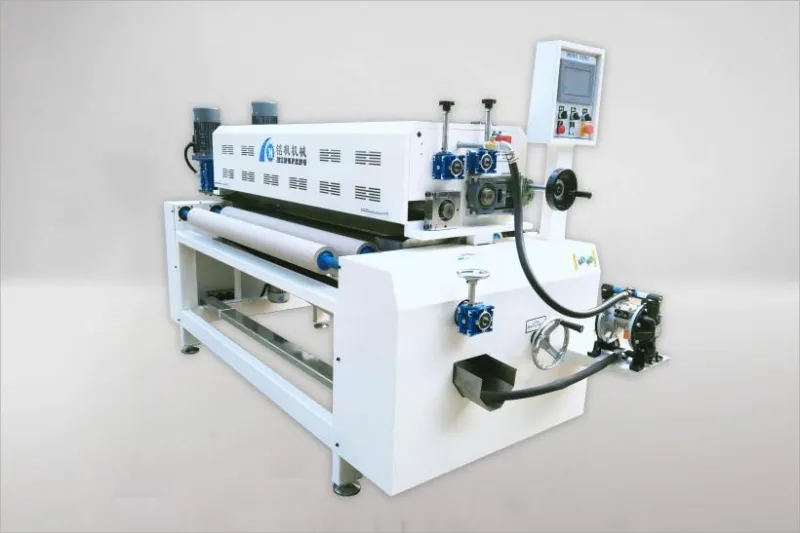
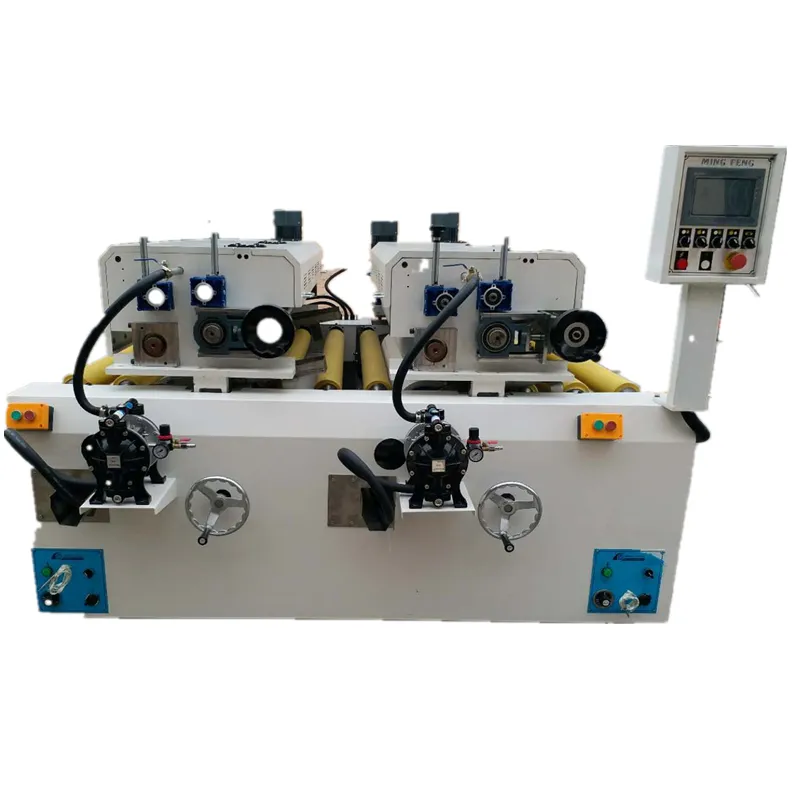
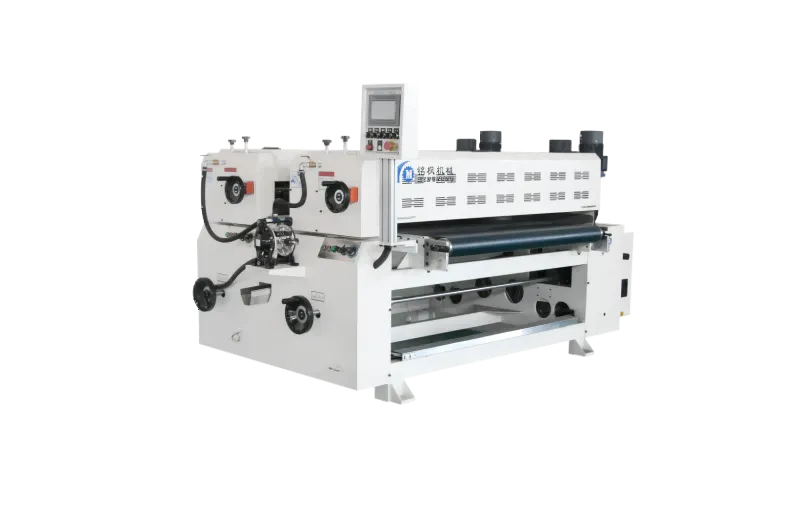
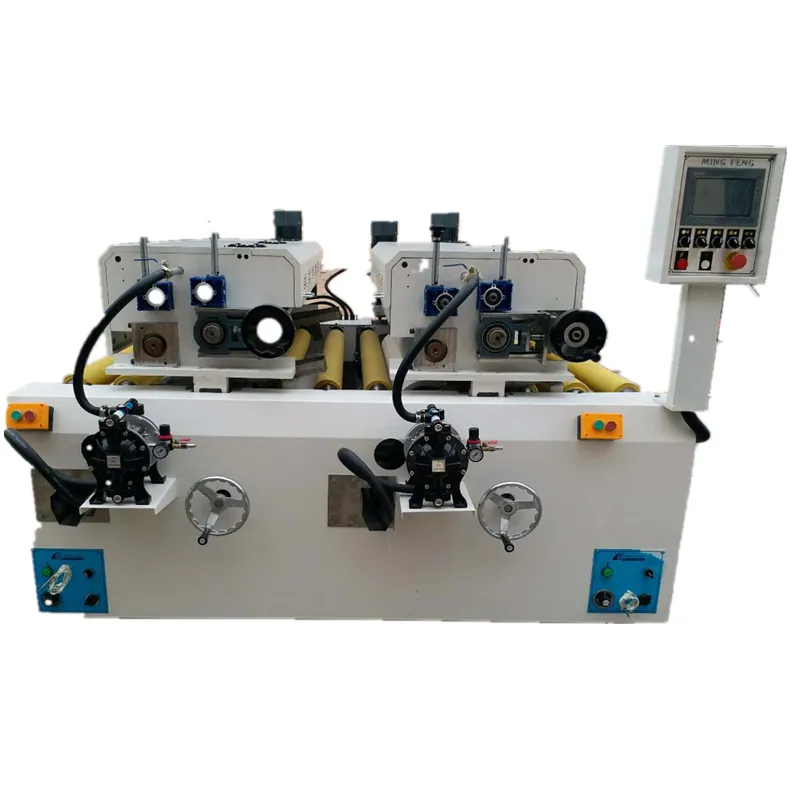
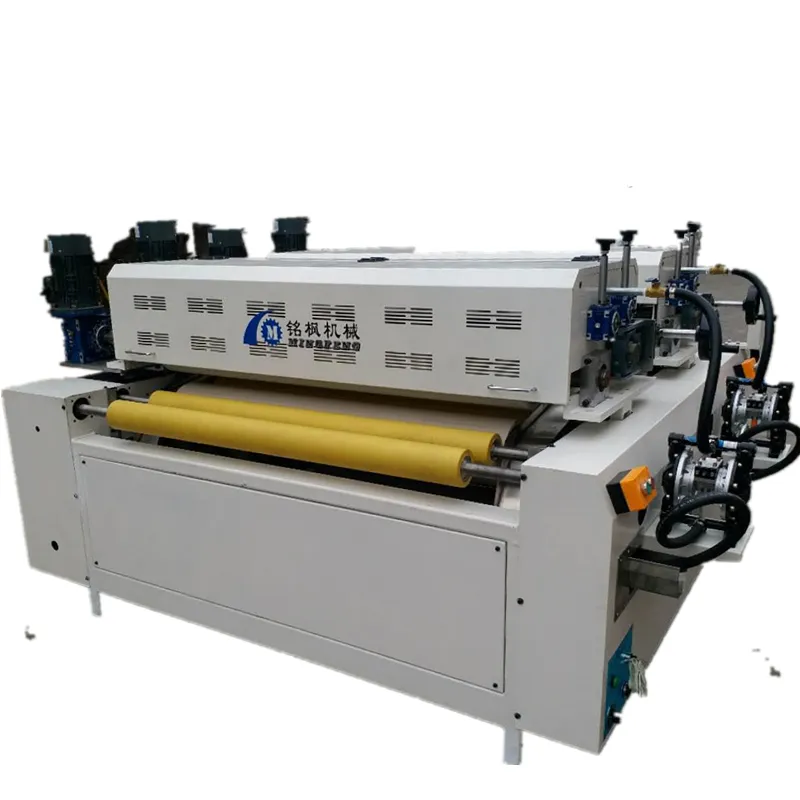
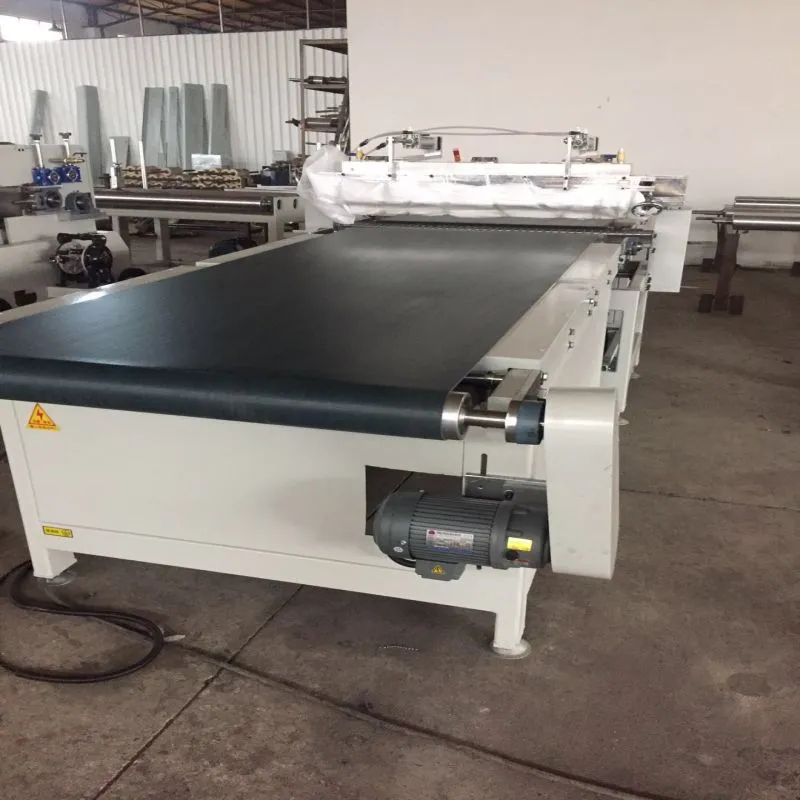
The roller gap determines the actual amount of paint transferred and is the primary inspection item.
• Normal gap range: Generally between 0.05–0.20 mm (depending on the process);
• Adjustment method: Use a feeler gauge to measure the gap.
UV roller coating machines have high requirements for coating viscosity, typically controlled between 20 and 40 seconds.
If the viscosity is too high, a special thinner can be added appropriately (do not use ordinary solvents) to improve leveling and help expel air bubbles.
According to industry testing data and actual measurement experience, the overall noise level of a standard UV Roller Coating Machine is approximately 75 decibels.
This falls within the range of medium-level industrial equipment noise – higher than a typical office environment (approximately 55 dB).
In most normal temperature (20~25℃) production environments, the UV Roller Coating Machine usually does not require long-term preheating.
The temperature difference between the machine's metal parts and the environment is not significant, and the fluidity of the UV coating is within a reasonable range.
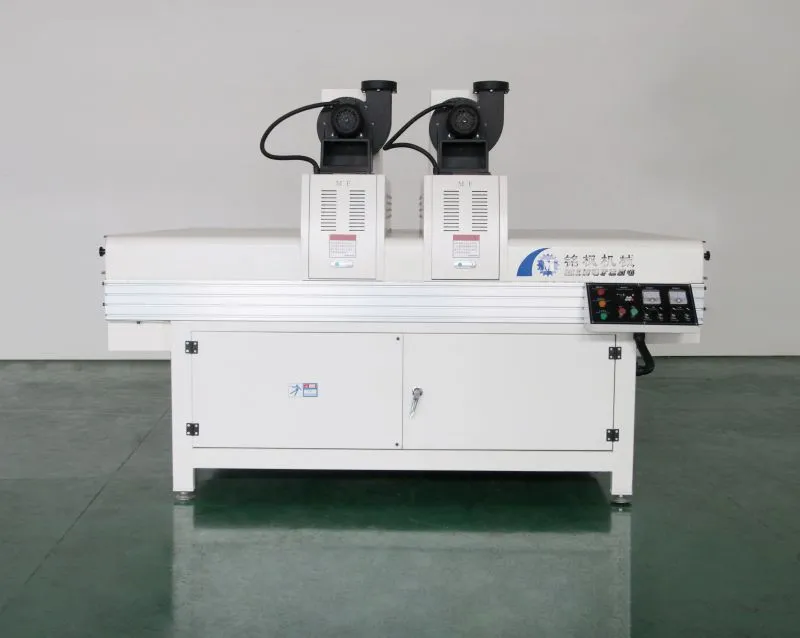
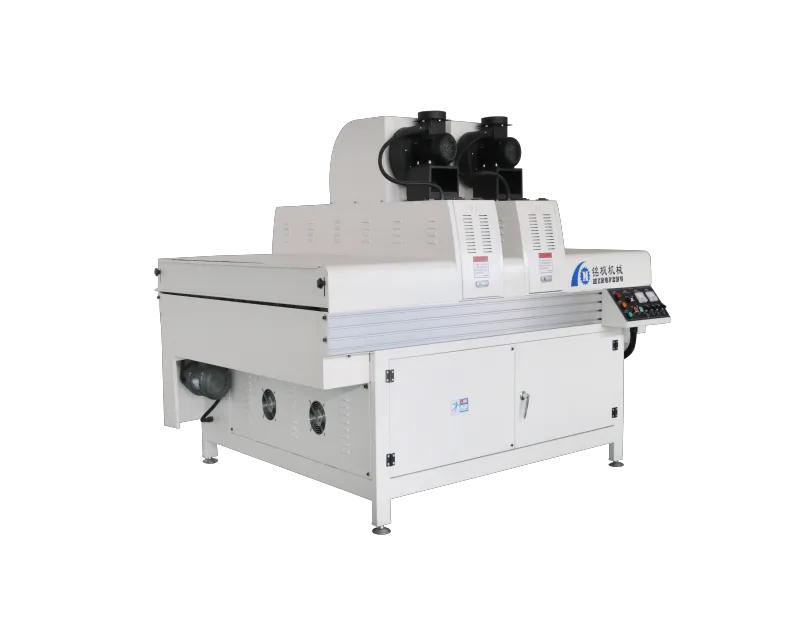
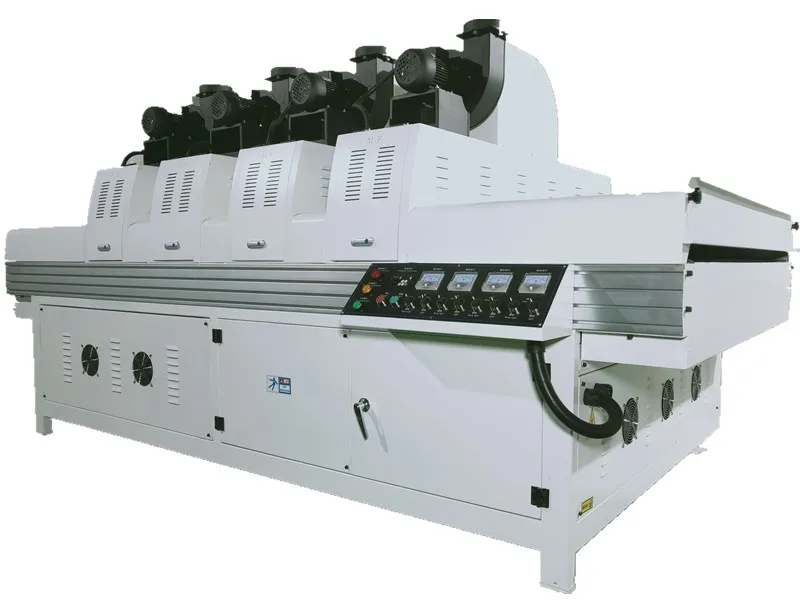
In furniture coating, the UV Dryer Machine is mainly used in conjunction with coating machines, sanding machines, automatic spraying machines, and other equipment to achieve a "coating → curing → sanding → recoating" cycle.
UV Roller Coating Machines typically require paint viscosity within a certain range (e.g., 25–60 seconds/Ford-4 cup). If the viscosity is too low, the coating cannot form a stable film on the roller surface, and it tends to spread too quickly on the board, causing it to sag due to gravity.
If using a 100% solids UV-curable paint, no solvent evaporation is required. After spraying, allow it to stand for approximately 3–5 minutes before placing it in the UV Dryer Machine.
This time is primarily for film leveling and bubble elimination.
The most common and highly compatible UV paints for roller coating machines include: UV primers, sealers, intermediate coats, high-gloss topcoats, matte topcoats, and clear acrylic systems.
That adjusting the coating thickness mainly relies on the balance between flow rate, viscosity, and conveyor speed.
This means that a curtain coating machine can achieve both thick and thin coatings, provided the parameters are set correctly.