

In the modern coating and surface treatment industry, UV Roller Coating Machines have become a common and efficient piece of equipment. They are widely used for coating surfaces such as wood flooring, PVC panels, decorative panels, paper, and metal sheets.
Many users new to this equipment often wonder, "Does a UV Roller Coating Machine need to be preheated before formal operation?"
This article will provide a comprehensive answer to this question by analyzing the equipment structure, working principle, material characteristics, operating procedures, and performance stability from multiple perspectives.
What is a UV Roller Coating Machine?
Before discussing whether preheating is necessary, we need to understand what a UV Roller Coating Machine is and its core working mechanism.
1. Definition of a UV Roller Coating Machine
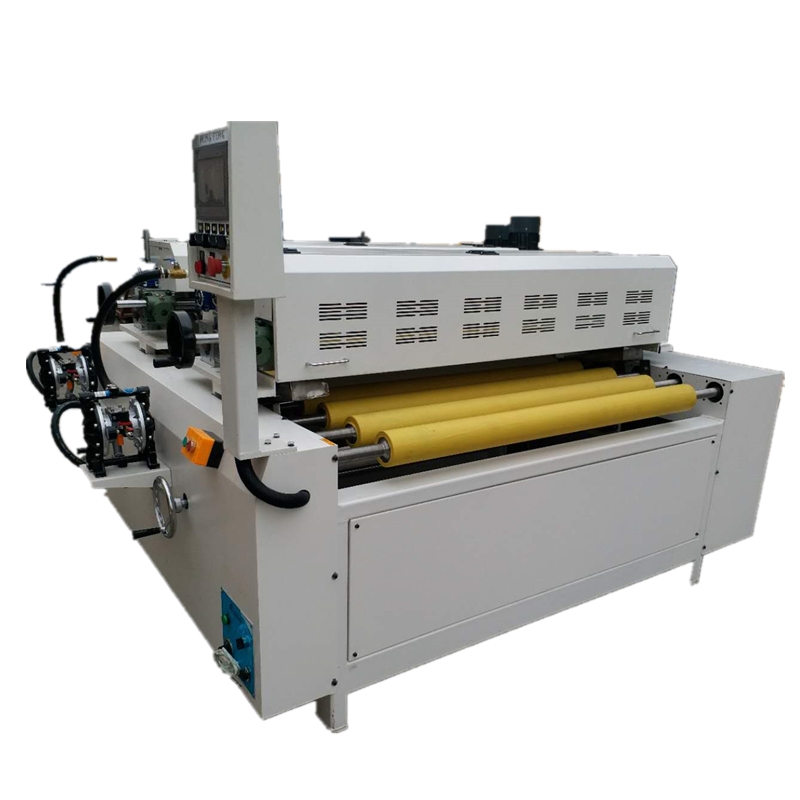
A UV Roller Coating Machine is a mechanical device that uses a rotating roller to evenly apply coating material to the surface of a substrate. The coating material is usually a UV-curable coating, which cures rapidly after being exposed to ultraviolet (UV) light, forming a dense, smooth, and wear-resistant surface coating.
2. Main Components
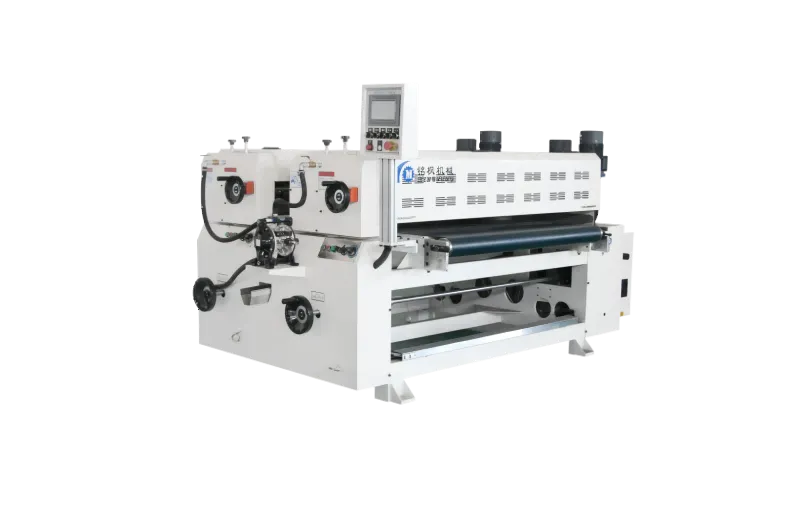
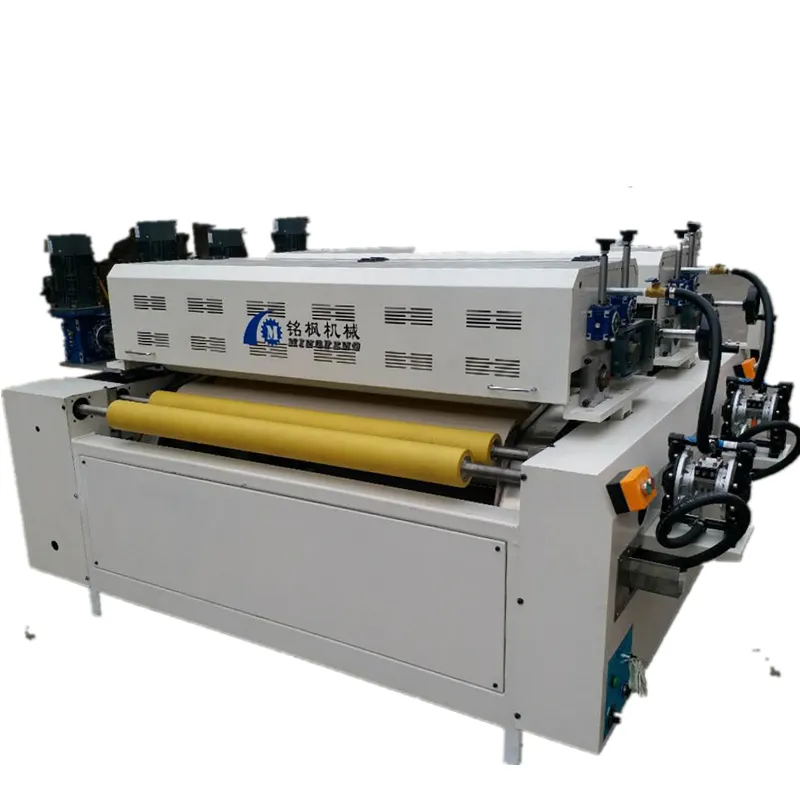
A standard UV Roller Coating Machine typically includes the following structures:
• Feeding system: Used to smoothly feed the substrate into the coating area;
• Coating supply system: Including a paint tank, paint pump, filter, etc., to ensure uniform paint flow;
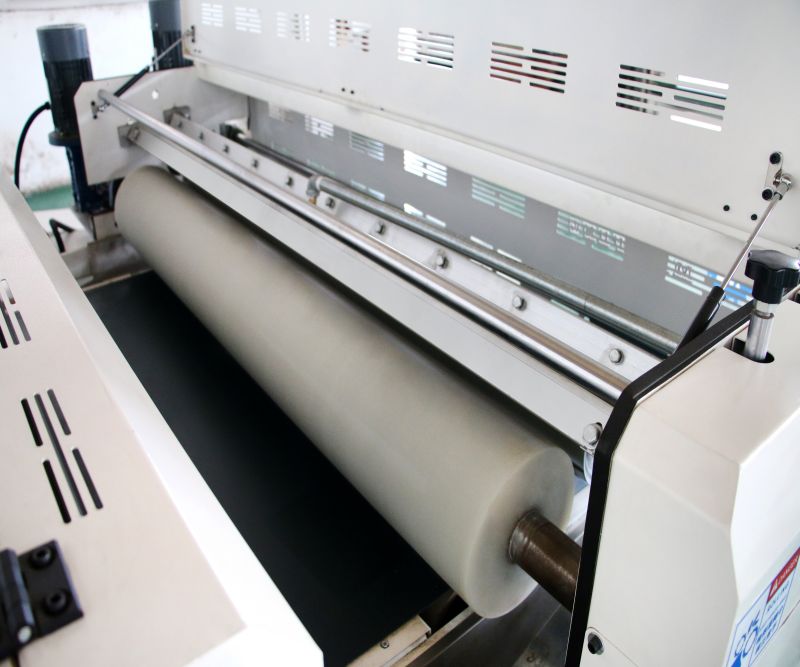
• Roller system: Composed of a polishing roller, coating roller, metering roller, etc.;
• UV curing system: Uses high-intensity ultraviolet lamps for photocuring;
• Control system: Adjusts parameters such as speed, thickness, and UV energy;
• Exhaust and cooling system: Ensures that the heat generated during UV lamp operation is effectively dissipated.
Understanding the equipment structure allows us to more accurately determine which parts require preheating before startup and which can be used directly.
Why is "preheating" a relevant issue for UV Roller Coating Machines?
Although the concept of "preheating" is common in heat treatment or drying equipment, it also has some practical significance in UV Roller Coating Machines. The main reasons include the following:
1. Coating fluidity is sensitive to temperature
UV coatings belong to a photocuring resin system and usually have a certain viscosity. Temperature significantly affects viscosity. If the ambient temperature is too low, the coating will become viscous, leading to:
• Uneven coating;
• Deviations in coating quantity;
• Coating waste or streaks.
Appropriate preheating can improve coating fluidity and result in a smoother coating effect.
2. Roller Metal Materials are Affected by Temperature
The key components of a UV Roller Coating Machine—the coating roller, metering roller, and drive roller—are mostly made of metal (such as steel, aluminum alloy, etc.). Metals contract slightly in low-temperature environments and expand when the temperature rises.
Therefore, when the ambient temperature is low, the small gaps between the rollers may change, leading to:
• Inaccurate control of coating thickness;
• Uneven pressure between rollers;
• Reduced coating stability.
Short-term preheating allows the roller temperature to reach working equilibrium, thus ensuring accuracy and stability.
3. UV Lamp Tubes Themselves Require Preheating for Stabilization
The lamp tubes in the UV curing system (especially high-pressure mercury lamps or LED-UV lamps) require a certain stabilization time when starting up.
• For traditional mercury lamp UV systems, preheating usually takes about 3-5 minutes;
• For LED-UV systems, although startup is rapid, the lamp head temperature still needs to stabilize to ensure consistent energy output.
Therefore, from the perspective of the entire system, "preheating" involves not only the mechanical parts but also the performance of the light source.
Is preheating of the UV Roller Coating Machine necessary?
The answer requires a comprehensive assessment based on various factors, including equipment type, ambient temperature, and coating characteristics.
1. Is preheating necessary in normal temperature environments?
In most normal temperature (20~25℃) production environments, the UV Roller Coating Machine usually does not require long-term preheating.
The temperature difference between the machine's metal parts and the environment is not significant, and the fluidity of the UV coating is within a reasonable range.
In this case, simply before formal feeding:
• Run the rollers idle for 2-3 minutes;
• Check the smoothness of the paint supply system;
• Confirm that the UV lamp tubes start normally and the energy is stable.
Then, normal production can begin.
2. Is preheating necessary in low-temperature environments?
When the ambient temperature is below 15℃, moderate preheating is recommended.
Reasons:
• Increased paint viscosity affects coating;
• Low roller temperature leads to uneven coating distribution;
• Unstable start-up of UV curing lamps.
In this case, the following measures can be taken:
• Let the roller system run idle for 5-10 minutes;
• Use a constant temperature device to preheat the paint to around 25℃;
• Turn on the UV lamp system in advance to stabilize the lamp energy output.
3. Preheating Requirements for the UV Curing System
Even if the equipment itself does not require long-term preheating, the UV lamp system still needs stabilization time.
UV mercury lamps do not immediately reach their rated output power after being switched on, but require several minutes for light intensity stabilization.
Therefore, it is recommended:
• Turn on the UV lamp 3-5 minutes before officially starting coating;
• Monitor the UV energy meter to confirm that the light intensity is stable before loading materials;
• If the downtime is short, avoid frequently starting and stopping the UV lamp; it should be kept in standby mode.
What is the correct method for preheating a UV Roller Coating Machine?
Many users know that "preheating is necessary," but are unclear about how to preheat correctly. Incorrect preheating methods may lead to equipment damage or paint deterioration.
1. Roller System Preheating Steps
• Ensure the equipment is clean and free of residual old paint;
• Turn on the main power and control panel, and set the basic rotation speed;
• Start the rollers running idle for 3-5 minutes to equalize the temperature of the mechanical system;
• If the ambient temperature is low, activate the heating system or maintain a stable room temperature;
• Check whether the roller surface temperature is stable using touch or an infrared thermometer.
2. Paint Preheating Steps
• Place the UV paint in a constant temperature area (20-30℃);
• Use a circulating pump to heat the paint evenly, avoiding local overheating;
• Check if the viscosity is within the recommended range (a Ford Cup No. 4 test can be used);
• Do not use open flames or high-temperature rapid heating to prevent chemical reactions.
3. UV Lamp System Preheating Steps
• Turn on the UV system power in advance;
• For mercury lamp types, maintain a stable output for 3-5 minutes;
• For LED-UV types, maintain stable operation for approximately 1 minute;
• Check if the UV light intensity is within the rated power range;
• Avoid frequent starting and stopping of the lamps to prevent shortening their lifespan.
What are the consequences of not preheating the UV Roller Coating Machine?
Ignoring preheating under certain conditions may lead to the following problems:
1. Uneven coating thickness
Temperature differences in the rollers lead to changes in the gap, which in turn causes fluctuations in coating thickness, affecting the gloss and flatness of the finished product.
2. Reduced paint adhesion
At low temperatures, the paint has poor fluidity, easily leading to local gaps or pinholes, resulting in reduced adhesion after curing.
3. Incomplete UV curing
If the UV lamp is not fully preheated, the light intensity will be insufficient, which may result in a "dry but not solid" surface, causing stickiness or loss of gloss.
4. Increased equipment wear
Starting the rollers in a cold state increases mechanical friction resistance, and prolonged use in this condition may cause micro-wear of the bearings and rollers.
Are the preheating requirements the same for different types of UV Roller Coating Machines?
1. Differences between single-roller and multi-roller structures
Multi-roller structures (such as double-roller and triple-roller coating) are more sensitive to temperature due to the larger number of rollers and higher precision of gap control. A slightly longer preheating time is recommended compared to single-roller machines.
2. Traditional mercury lamp systems and LED-UV systems
• Mercury lamp systems: The lamp body heats up quickly and generates a lot of heat, requiring 3-5 minutes of preheating;
• LED-UV systems: Generate less heat and start quickly, generally requiring only 1 minute of preheating.
3. Differences between metal and non-metal substrates
Metal substrates transfer heat quickly and are more affected by the environment; appropriately extending the roller preheating time is more conducive to stabilizing the coating thickness.
How to determine if the UV Roller Coating Machine has been properly preheated?
The judgment criteria can be considered from the following aspects:
• Roller surface temperature: Maintain within the range of 20~30℃;
• Coating viscosity: Consistent with the recommended value in the technical manual;
• UV light intensity: Stable at the rated power ±5% through a UV energy detector;
• Test coating results: The coating is smooth, bubble-free, and streak-free;
• Equipment operation sound: Stable without abnormal vibration or noise.
When all the above conditions are met, it indicates that the preheating state of the UV Roller Coating Machine is ideal.
Practical suggestions for preheating in the daily operation of the UV Roller Coating Machine
• Maintain a constant temperature workshop: The ideal temperature is 22~26℃, avoiding frequent starting and stopping of preheating;
• Reasonably arrange the production plan: No need for repeated preheating during continuous production, reducing energy consumption;
• Regularly calibrate the UV light intensity: Ensure stable light energy after preheating;
• Use high-quality coatings: High-quality UV coatings are less affected by temperature, making preheating easier to control;
• Establish operating procedures: Clearly define the preheating steps in the SOP (Standard Operating Procedure).
Does the UV Roller Coating Machine require preheating?
In summary, whether the UV Roller Coating Machine requires preheating depends on the following key factors:
Conditions | Is Preheating Required? | Main Reasons |
| Ambient temperature ≥ 20℃ | Preheating is not necessary; simply let it run idle for a few minutes | Good paint fluidity |
| Ambient temperature < 15℃ | Preheating is mandatory | High paint viscosity and large variations in roller gap |
| Using a mercury lamp system | The lamp needs to be preheated | Stable light intensity time: 3-5 minutes |
| Using an LED-UV system | Slight preheating is sufficient | Light source is ready for immediate use |
| Multi-roller structure | It is recommended to extend the preheating time | Ensure consistent gaps between all rollers |
Therefore, it can be concluded that:
Under normal temperature conditions, the UV Roller Coating Machine does not require long-term preheating, only a short period of idling and lamp stabilization; however, in low-temperature environments or under high-precision coating conditions, moderate preheating is a necessary step.
Correct preheating can not only improve coating quality but also extend equipment lifespan and ensure stable and efficient production.
Does XMF Machinery provide technical guidance for installation?
Yes, XMF Machinery offers professional technical guidance for all machines, including roller coating machines, mud coating units, spray machines, and embossing machines. Buyers can purchase equipment directly from our factory, enjoy low prices, wholesale purchasing, and promotional discounts.
Our company ensures proper installation, operation training, and after-sales support. By choosing XMF Machinery as a supplier, customers receive not only high-quality equipment but also professional guidance to optimize production efficiency and machine lifespan.