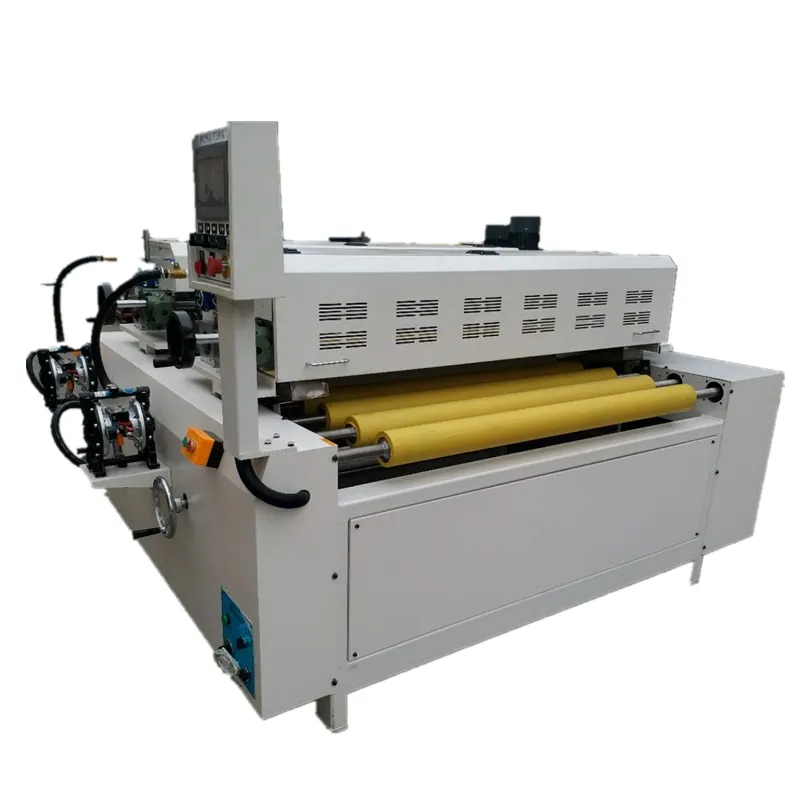
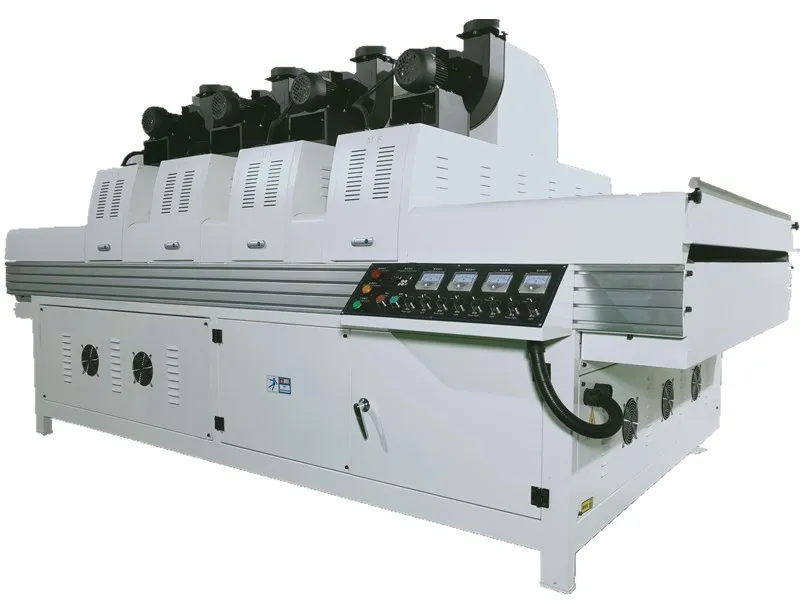
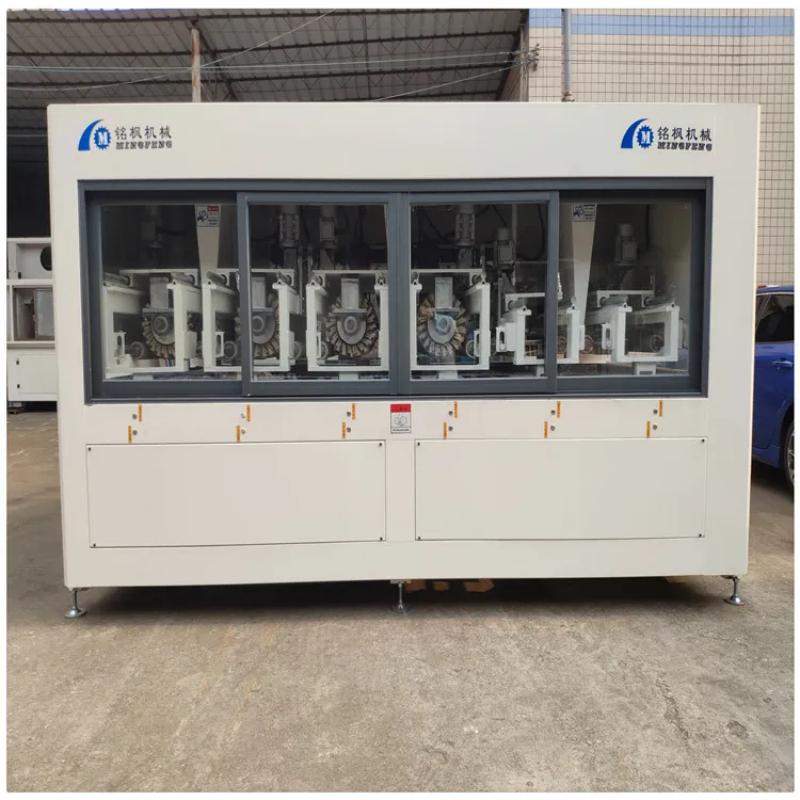
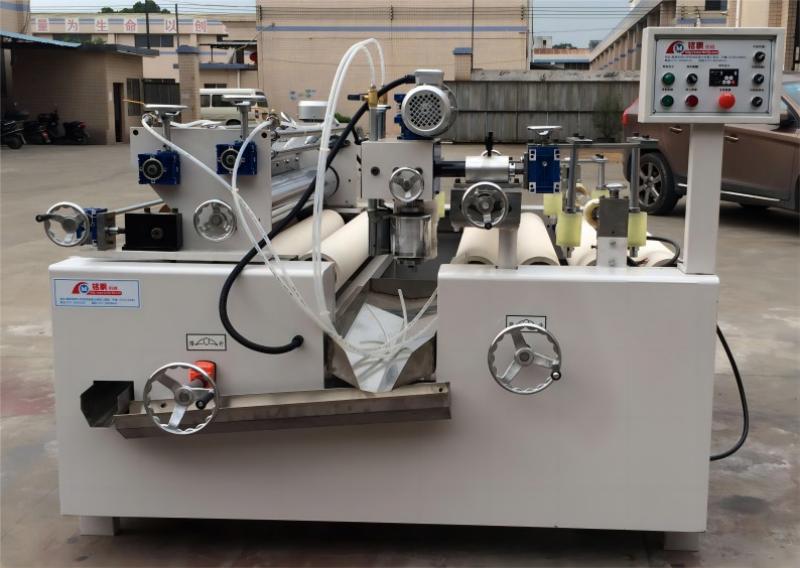
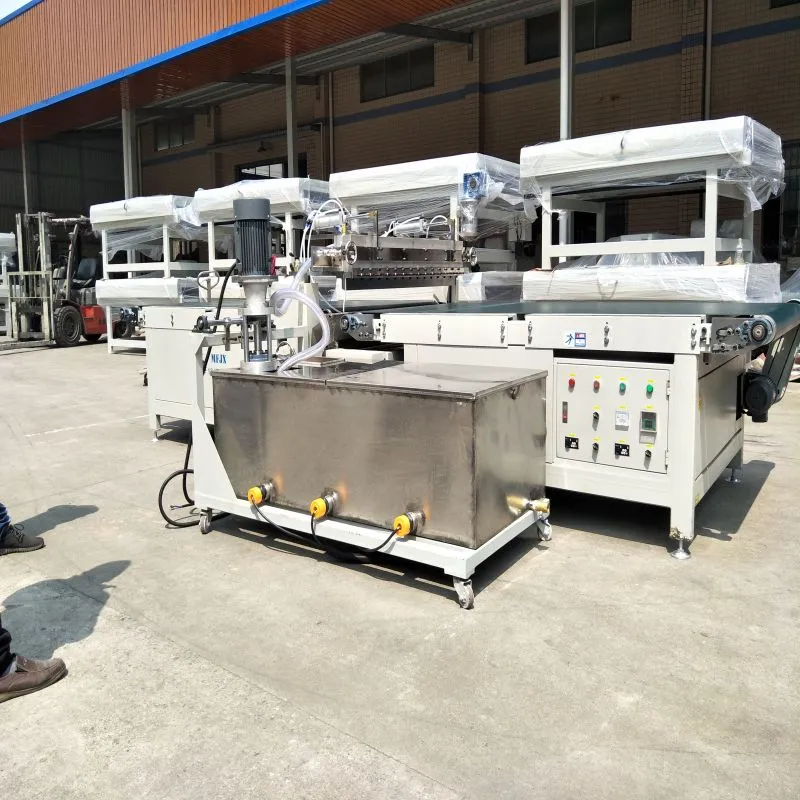
UV Roller Coating Machines are designed to achieve highly uniform coatings using precision rollers. Theoretically, if properly controlled, the surface after roller coating can directly achieve a mirror finish.
Most plastics have a heat distortion temperature between 60 and 100°C, while traditional UV lamps generate heat during irradiation. Improper control can lead to product warping or deformation. Due to their unique material properties, plastic products have always been one of the most challenging applications in UV drying.
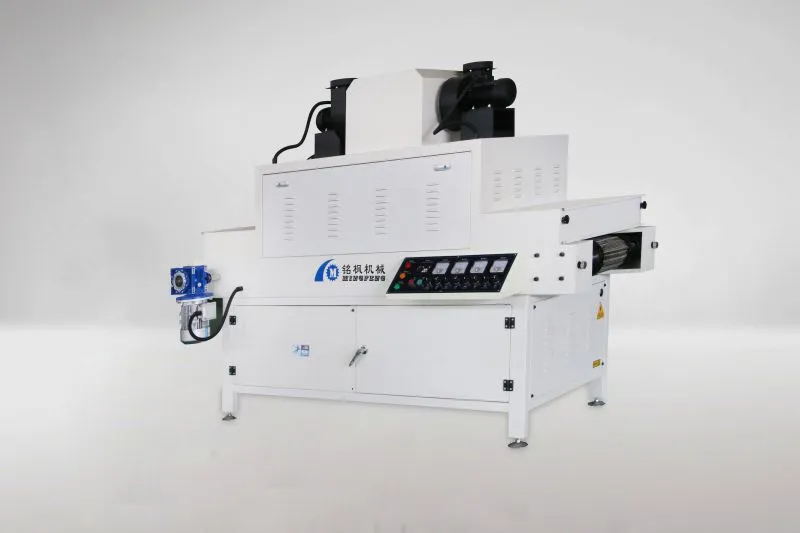
Advantages of Wood UV Drying Machines:
Surface drying + solid curing within seconds to tens of seconds; immediate stacking/flipping/post-processing upon exiting the line, significantly reducing work-in-process and turnaround time.
Disadvantages of Wood UV Drying Machines:
Requires UV-curable coatings: Ordinary solvent-based/water-based paints without a photoinitiating system and polymerizable components cannot form a film using UV light.
The most common and most efficient equipment in industrial mass production is called a Wood Grain Printing Machine. It transfers ink to the surface of the workpiece using rollers with wood grain engravings. It can perform single-color, two-color, or even multi-color printing, offering stability, high speed, and suitability for continuous production.
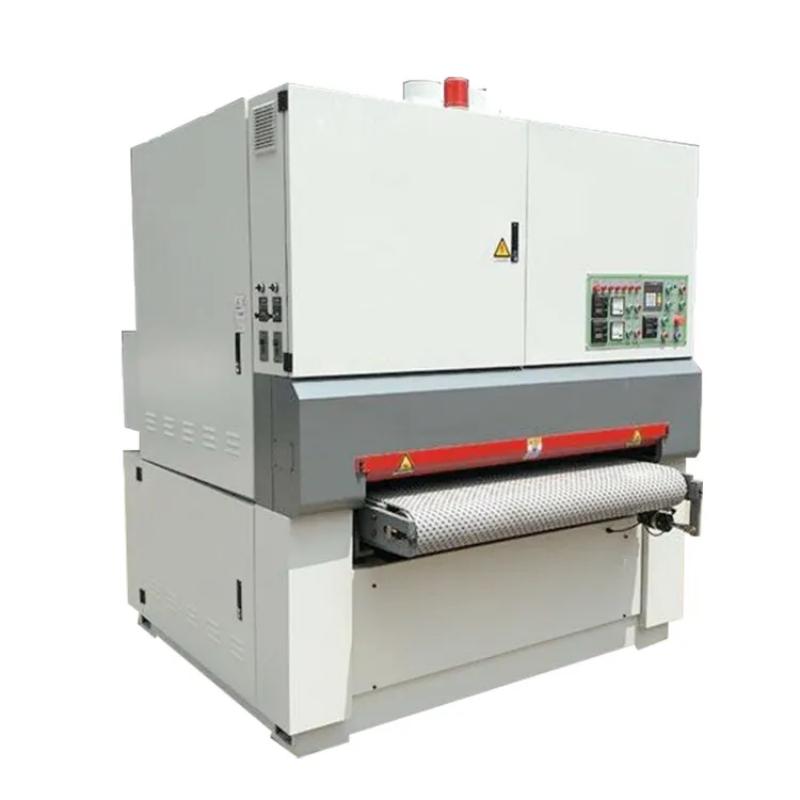
Before starting the machine, check all indicators and components of the industrial Plywood Sanding Machine:
• Sanding belt or grinding wheel condition
• Feeding system
• Dust collection system
• Electrical system
Improper Matching of Feed Speed and Roller Speed
• Feed too fast: Insufficient friction time on the sheet surface, resulting in surface roughness and inadequate thickness correction.
• Feed too slow: Prolonged contact between the sheet and the sanding belt can easily lead to surface burning, indentations, or over-cutting.
The curing time for most UV paint drying machines is typically between 1 and 10 seconds.
However, this is a range, not a fixed value. Actual drying time will vary depending on conditions. Different equipment and processes can lead to significant differences in curing speed.
Advantages of UV flatbed printing machines:
1. Wide material compatibility (can print on almost any rigid/soft surface)
2. High print quality, vibrant colors, and good resolution
3. Instant curing, reduced production capacity and processing time
4. Customizable surface finishes (embossing/debossing/tactile)
5. Environmental advantages (relatively)
Disadvantages of UV flatbed printing machines:
1. High equipment and consumable costs
2. High requirements for white ink and thick ink layer management
3. Printing height and shading limitations (physical limitations)
4. Strict requirements for UV light sources (mercury lamps/LEDs) and safety and environmental management
5. Maintenance and operating costs (frequent printhead maintenance and cleaning)
6. Restrictions on waste and transportation due to special inks
Based on industry experience and standard equipment parameters, the single-pass coating thickness of a reciprocating automatic painting machine under standard operating conditions is typically between:
20μm and 60μm (i.e., 0.02 to 0.06mm).
The curtain coater machine is not a "universal device." It is more suitable for continuous, flat, and flexible material coating processes.
For three-dimensional workpieces or irregular surfaces, traditional spray coating still offers greater flexibility.