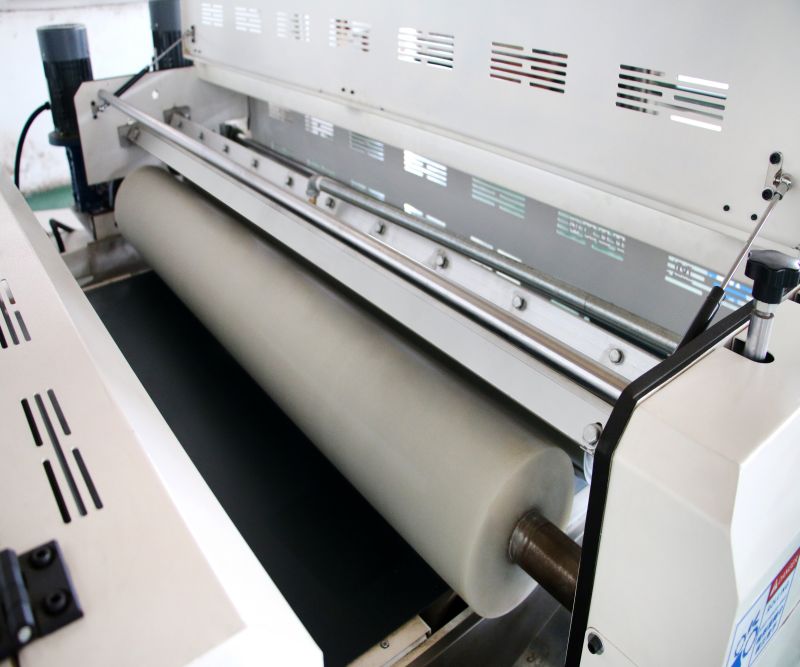
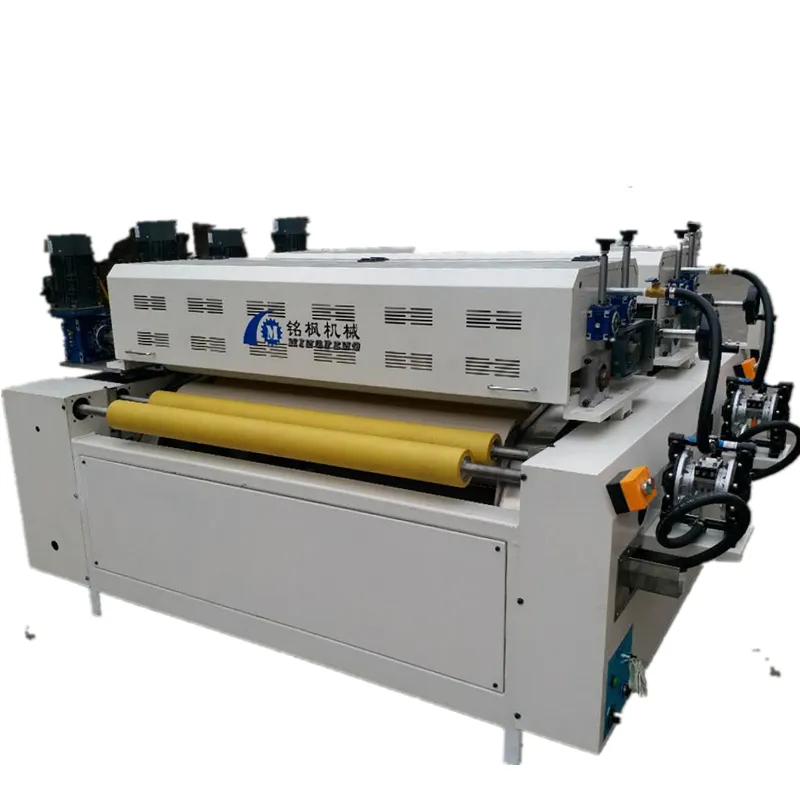
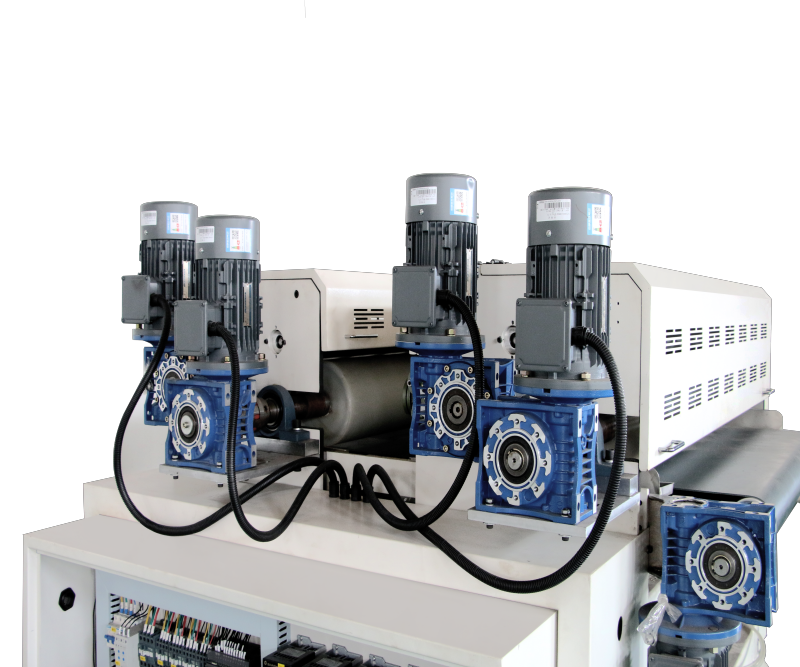
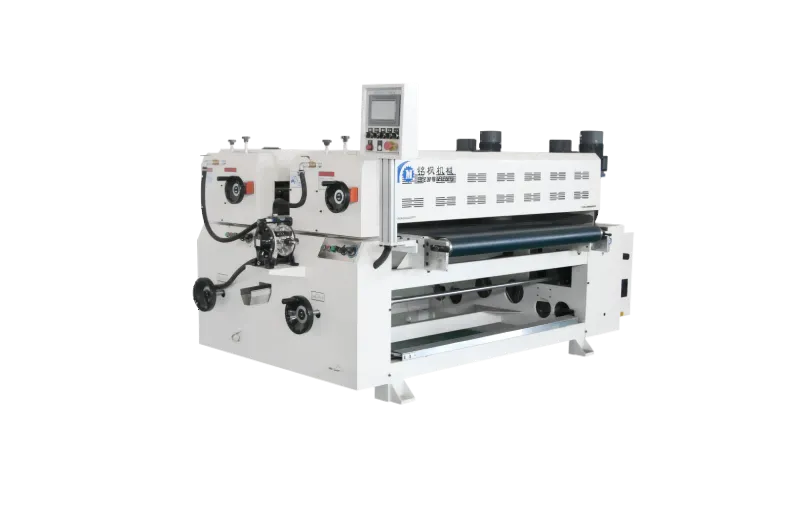
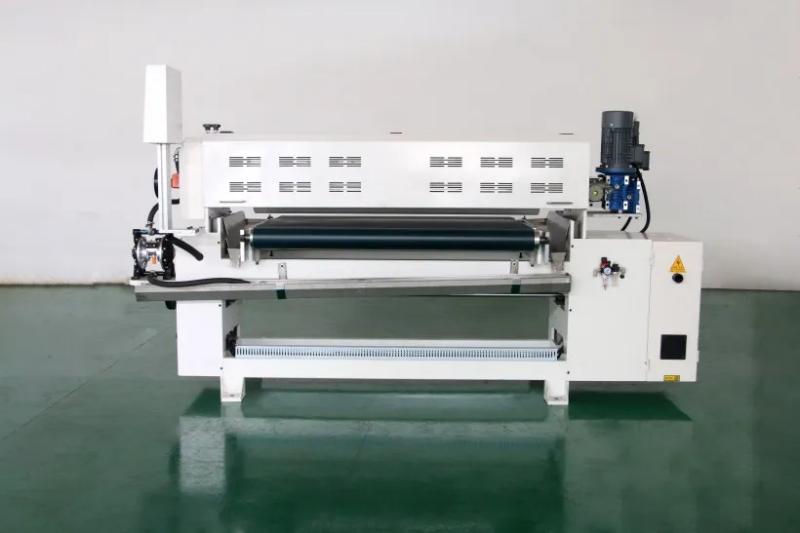
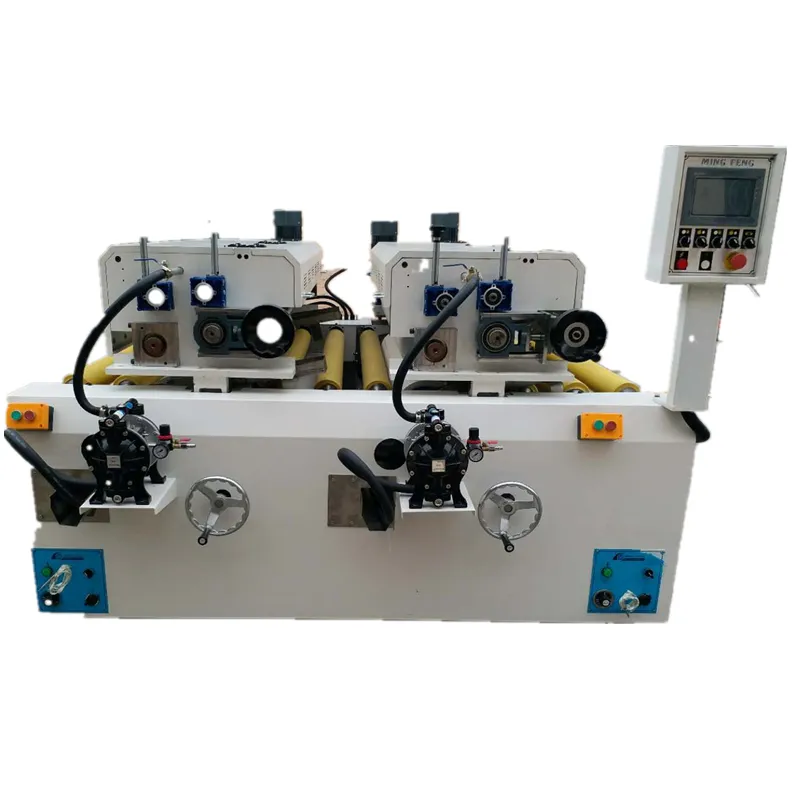
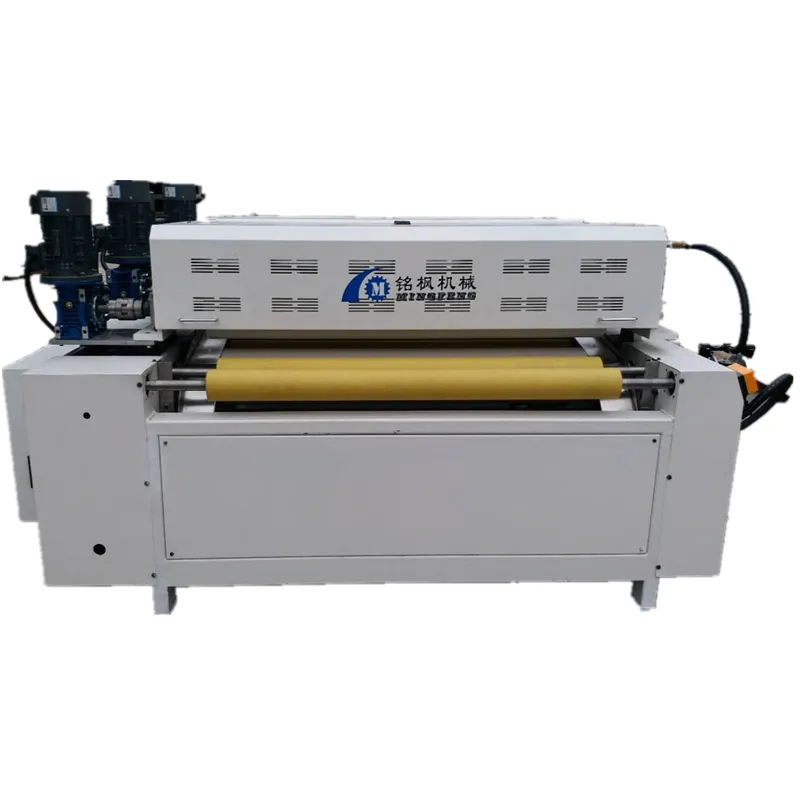
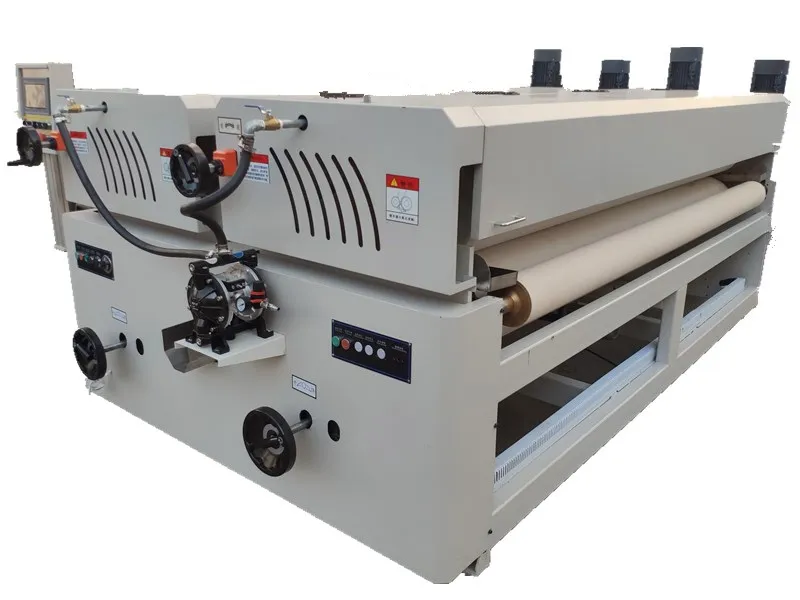
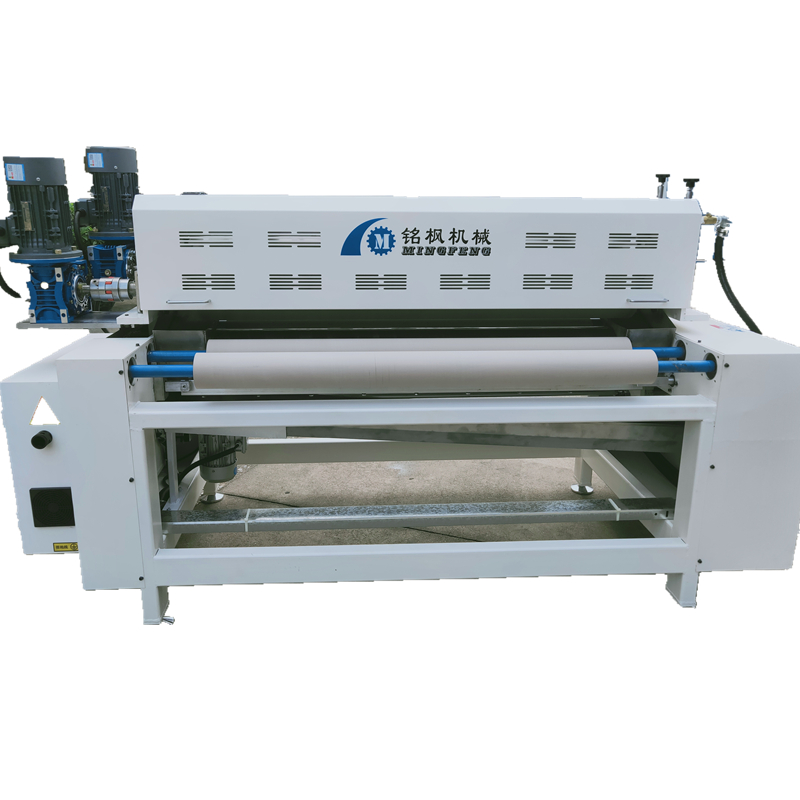
Furniture coating requires high precision and consistency. Single-roller or double-roller structures often cannot meet the complex process requirements; therefore, most furniture factories choose multi-roller UV Roller Coating Machines.
A UV Roller Coating Machine in a furniture factory typically requires only 2-3 people to operate efficiently.
Among them:
• 1 person responsible for equipment control and process monitoring;
• 1 person responsible for material feeding and receiving;
• Depending on production volume, one additional person can be added for assisting with handling and inspection.
Coating machines, UV curing machines, and sanders are linked through an automated control system, maintaining a stable 24-hour production line cycle.
However, it's important to emphasize that theoretical feasibility does not guarantee practical sustainability.
Step 1: Shut down the equipment and power system.
Step 2: Drain the paint system.
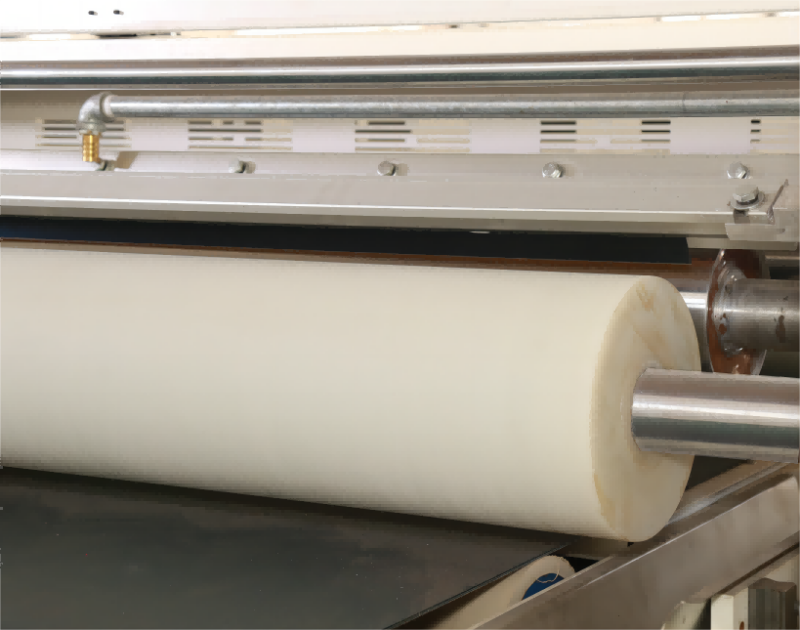
Step 3: Clean the roller surface.
Step 4: Clean the scraper system.
Step 5: Clean the paint tank and conveying system.
Step 6: Clean the pipes and pump.
From a coating process perspective, a UV Roller Coating Machine is perfectly suitable for small-batch production, provided that the company correctly configures the equipment parameters and production process.
When the speed difference between the metering roller and transfer roller of a UV Roller Coating Machine is too large, shear bubbles can form in the coating layer.
Especially under high-viscosity coating conditions, these bubbles are more difficult to escape, resulting in "pinhole" or "bulge" defects during curing.
Although theoretically UV Roller Coating Machines should not scratch furniture boards, in actual production, surface scratches, lines, or abrasions can still occur if the equipment or operation is improper.
The matte surface is not determined by the equipment, but rather by the coating formulation, roller structure, coating thickness, and curing energy control.
By making appropriate adjustments to these aspects, a UV Roller Coating Machine can consistently produce various visual levels, from semi-matte to deep matte.
No, it cannot completely replace it, but it can partially replace it in specific areas.
UV Roller Coating Machines and spray coating are not competitors, but rather complementary. The former excels in high-efficiency flat coating, while the latter still dominates in complex shapes.
For the same area, if a wooden board requires 100 grams of UV paint using traditional spraying, then using a UV Roller Coating Machine only requires about 55-70 grams to achieve the same thickness and surface effect. This means that for every 1000 square meters of product produced, 30-45 kilograms of paint can be saved.