

In modern surface coating processes, UV Roller Coating Machines are widely used in industries such as wood flooring, furniture, plastics, paper, and metal sheets due to their high efficiency, energy saving, and stable coating quality. Traditionally, UV coating is often used to create products with a high-gloss finish.
However, more and more manufacturers are pursuing a softer visual experience and a delicate tactile feel, thus creating the demand for a "matte finish."
So, can a UV Roller Coating Machine achieve a matte finish? How does it do it?
This article will systematically and professionally answer this question from multiple aspects, including coating principles, material properties, process control, and equipment configuration.
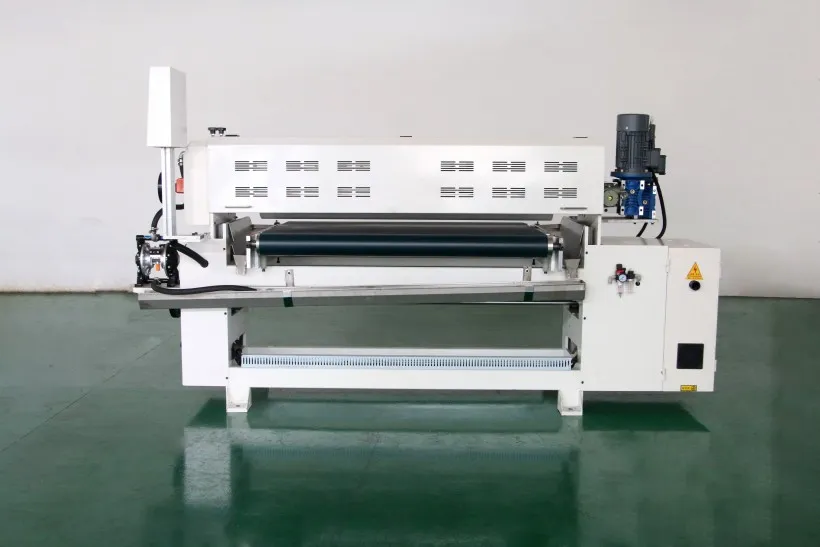
What is the working principle of a UV Roller Coating Machine?
A UV Roller Coating Machine is a device that uses a roller coating principle to uniformly transfer UV-cured coatings onto the surface of a substrate. The core process includes the following steps:
• The paint supply system delivers UV coating to the supply rollers;
• The coating thickness is controlled by a precise gap between the metering roller and the transfer roller;
• The substrate comes into contact with the transfer roller via a back pressure roller, achieving coating transfer;
Substrate is then immediately passed through a UV curing lamp system, where ultraviolet light energy causes the coating molecules to cross-link, forming a robust coating film.
This process is efficient and environmentally friendly, requiring no heat drying and offering a fast production cycle.
Achieving a matte finish in this system hinges on the combination of "formulation + process control".
Can a UV Roller Coating Machine achieve a matte finish?
The answer is yes.
A UV Roller Coating Machine can absolutely achieve a matte finish.
The matte surface is not determined by the equipment, but rather by the coating formulation, roller structure, coating thickness, and curing energy control.
By making appropriate adjustments to these aspects, a UV Roller Coating Machine can consistently produce various visual levels, from semi-matte to deep matte.
In simple terms, the equipment has the ability to achieve a matte finish, and the formation of a matte finish depends on materials and process parameters.
What are the key factors for achieving a matte effect with a UV Roller Coating Machine?
To produce the ideal matte effect with a UV Roller Coating Machine, the following core factors need to be precisely controlled:
1. Selection of Matte UV Coating
The foundation of a matte effect lies in the matte coating formulation. Common matte UV coatings typically achieve diffuse reflection through the following methods:
• Adding matte powder (matting agent): such as silica, wax powder, or other organic matting materials, creating a fine unevenness on the coating surface, thereby dispersing reflected light.
• Adjusting the resin system: Reducing the crosslinking density or using resins with different refractive indices makes the surface reflection softer.
When using matte paint with a UV Roller Coating Machine, it is necessary to use appropriate coating viscosity and roller line count to ensure uniform distribution of the matting agent.
2. Control of Coating Thickness
The depth of the matte effect is closely related to the coating thickness.
• Coating too thin → Light can still penetrate to the underlying layer and reflect, resulting in a glossy surface;
• Coating of moderate or slightly thicker thickness → More complete light scattering, enhancing the matte finish.
Therefore, UV Roller Coating Machines can precisely control the coating thickness by adjusting the gap between the metering roller and the transfer roller.
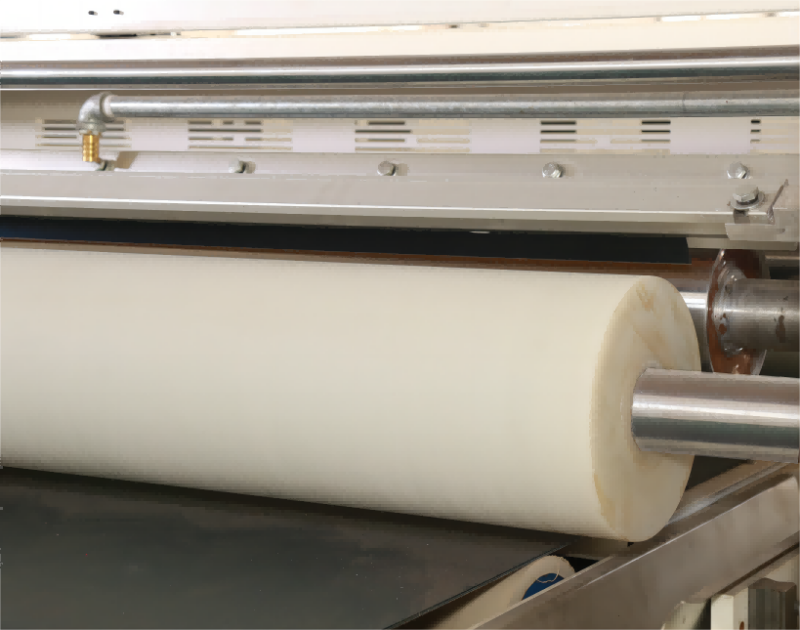
3. Influence of Roller Surface Characteristics
Roller surface roughness and texture directly affect the coating surface condition:
• Mirror-finish rollers are more suitable for high-gloss effects;
• Fine-textured or rubber rollers are more conducive to forming a uniform matte surface.
Therefore, in matte processes, rollers with fine textures are usually selected to increase light scattering.
4. UV Curing Energy Control
Excessive curing energy will cause the coating surface to become smooth and increase gloss; insufficient energy will result in incomplete curing and a sticky surface.
The correct approach is to control the UV lamp intensity and irradiation distance so that the surface layer crosslinking is slightly lower than the underlying layer, creating a soft diffuse reflection effect.
In summary, a UV Roller Coating Machine can stably achieve a matte finish by coordinating and controlling four dimensions: coating, thickness, rollers, and energy.
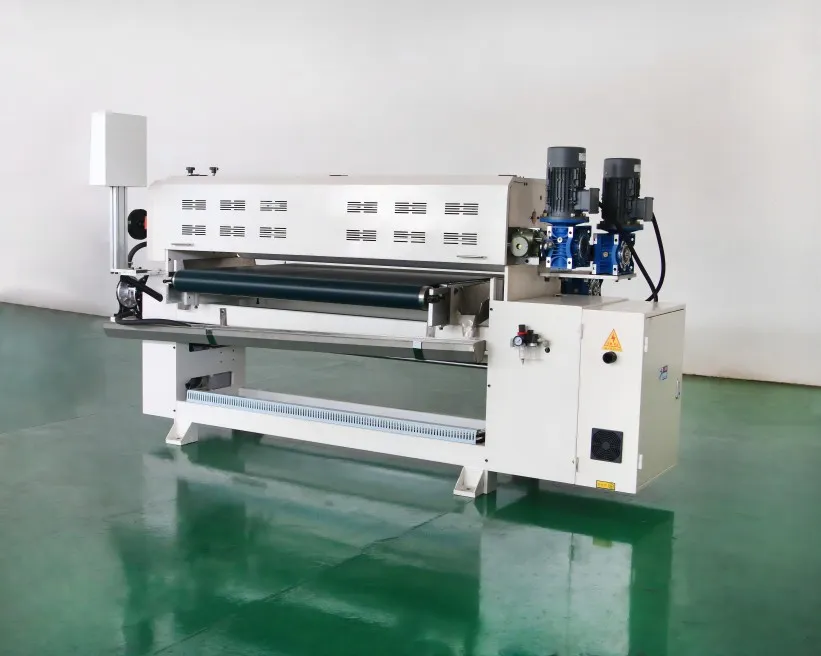
What are the key process points for achieving a matte finish with a UV Roller Coating Machine?
In specific operation, to ensure a stable matte finish from the UV Roller Coating Machine, the following technical details should be noted:
1. Coating Stirring and Uniformity
Matte coatings typically contain matting agents, which are prone to settling due to density differences.
They must be thoroughly stirred before use and continuously and gently stirred during production to prevent uneven coating gloss.
2. Roller Speed Matching
The speed ratio of the supply roller, metering roller, and transfer roller affects the leveling performance of the coating.
To ensure consistent matte finish, excessive speed should be avoided to prevent centrifugal thinning.
3. Substrate Surface Treatment
The flatness and absorbency of the substrate directly affect the final matte finish.
Before using the UV Roller Coating Machine, ensure the substrate is free of oil and dust, and has undergone sanding or antistatic treatment.
4. Multi-coating Combination
For high-quality matte finishes, a "high-gloss base coat + matte top coat" process can be used.
The base coat provides smoothness, while the top coat creates diffuse reflection, achieving a soft visual appeal and a delicate feel.
Why is the matte finish uneven in some UV Roller Coating Machines?
Many users find that even when using matte coatings, the gloss varies between different batches. This is usually not a coating issue, but rather caused by the equipment or operating parameters.
Common causes include:
• Unstable UV lamp energy → Insufficient curing in some areas, resulting in a brighter gloss.
• Incomplete roller cleaning → Residual paint or dust causes uneven surface reflection.
• Insufficient coating mixing → Uneven distribution of matting agent, causing localized reflections.
• High humidity in the workshop environment → Affects coating leveling, causing surface ripples.
Solutions: Regularly clean the rollers, calibrate the UV energy, maintain a stable environment, and use a UV Roller Coating Machine with automatic speed and temperature control.
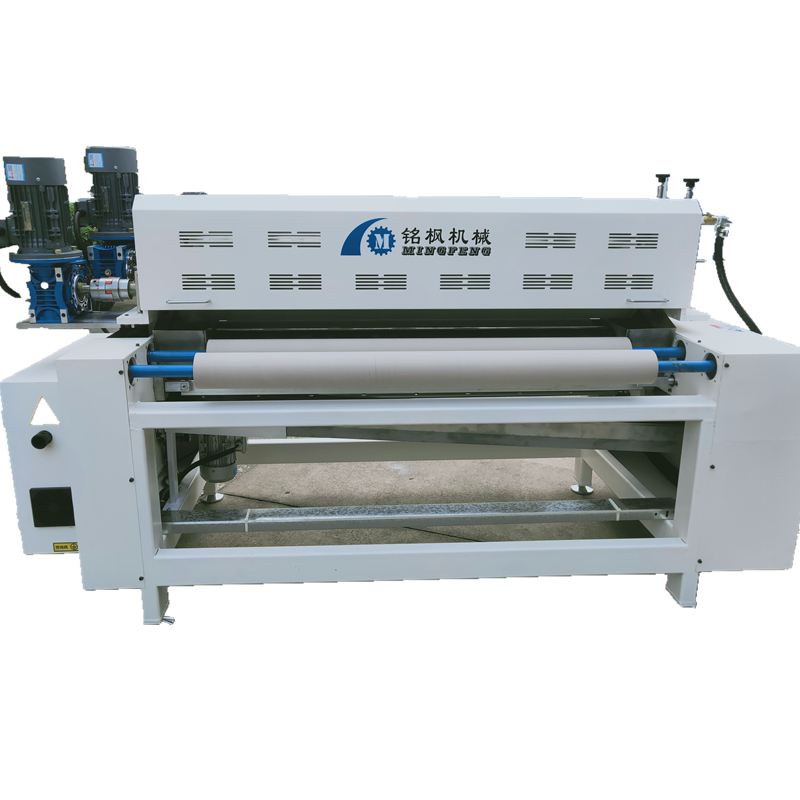
What are the advantages of using a UV Roller Coating Machine to achieve a matte finish?
Compared to spraying or curtain coating, using a UV Roller Coating Machine to achieve a matte finish has significant advantages:
1. High Coating Uniformity
The stable roller transfer method ensures consistent coating thickness with each application, resulting in a uniform matte finish.
2. Energy Saving and Environmental Protection
UV curing eliminates solvent evaporation, eliminates the need for hot air drying, and has extremely low VOC emissions.
3. High Efficiency
Fast roller coating speeds allow for continuous production, making it suitable for large-scale coating lines.
4. Simple Maintenance
The modular equipment structure makes paint replacement and cleaning relatively convenient.
5. Compatible with Multiple Materials
It can be used on various substrates such as wood, PVC, PET film, and metal sheets, providing a stable matte finish.
Therefore, from an efficiency and quality perspective, using a UV Roller Coating Machine to achieve a matte finish is a reliable and cost-effective solution.
How to determine if the matte finish achieved by a UV Roller Coating Machine meets the requirements?
The standards for evaluating matte finishes can be divided into two categories: gloss index and appearance/tactile assessment.
1. Gloss Measurement
Testing is performed using a 60° or 85° gloss meter:
• Gloss < 10 GU is typically deep matte;
• 10~25 GU is medium matte;
• 25~45 GU is satin or semi-matte.
If the measured values are stable and meet product design requirements, the process is considered successful.
2. Appearance and Tactile Assessment
The surface should be visually free of reflective spots, streaks, and coating buildup; it should feel smooth, delicate, and non-sticky to the touch.
When the process parameters are properly controlled, a UV Roller Coating Machine can consistently output a highly uniform matte finish.
What maintenance considerations are needed for a UV Roller Coating Machine during the matte process?
To ensure a long-term stable matte finish, equipment maintenance and cleaning are crucial:
• Clean the rollers and paint supply system daily to prevent residual paint from hardening and clogging.
• Regularly check UV lamp energy to maintain uniform light intensity.
• Maintain workshop cleanliness to prevent dust from affecting surface gloss.
• Correct roller gaps and parallelism to prevent uneven thickness.
• Inspect scrapers and seals for wear to prevent paint leakage or scratches.
Good maintenance ensures the UV Roller Coating Machine maintains high-quality matte output over the long term.
Will producing matte paint with a UV Roller Coating Machine affect the curing speed?
It will have some impact. The matting agent in matte coatings reflects some UV light, thus the curing speed is slightly slower. The UV lamp power should be increased appropriately or the irradiation time extended.
Can different levels of matte finish be achieved by adjusting the curing energy?
Yes. Moderately reducing UV energy can enhance the matte finish, but it is necessary to ensure the coating is fully cured to avoid stickiness.
Can the same UV Roller Coating Machine produce both high-gloss and matte finishes?
Absolutely. Simply change the paint type and adjust the rollers and curing parameters.
Will the matte effect change over time?
If fully cured and stored in a dry and stable environment, the matte finish can be maintained for a long time without significant changes.
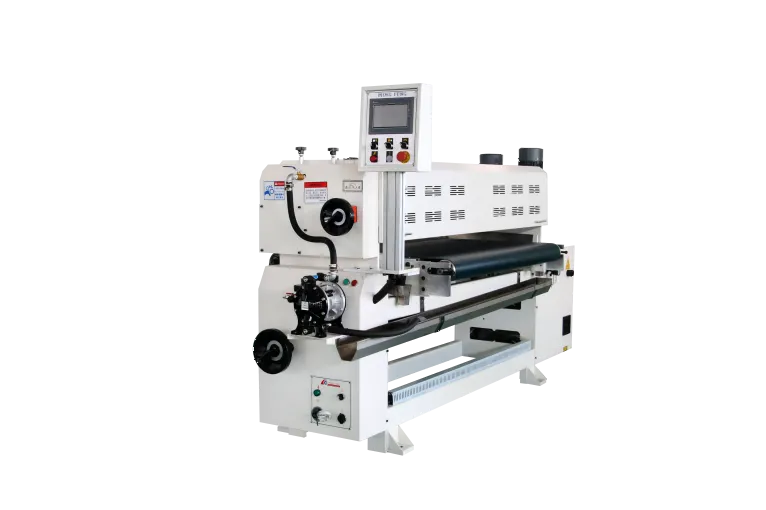
UV Roller Coating Machines Can Achieve a Consistently Stable Matte Finish
UV Roller Coating Machines not only achieve a matte finish but also efficiently and consistently control the degree of matteness.
The key is:
1. Selecting the appropriate matte UV coating;
2. Precisely controlling the coating thickness and roller speed;
3. Appropriately adjusting the UV curing energy;
4. Maintaining good equipment cleanliness and environmental conditions.
What payment options are available for purchasing from XMF Machinery?
We offer flexible payment methods to make purchasing easier for global buyers. Customers can request detailed quotes and arrange secure transactions directly with our sales team. Whether buying wholesale or customized machines, we ensure a smooth purchasing process with competitive prices and professional support from our company.