

In UV coating processes, bubbling on the coating surface is one of the more common defects in production. Bubbles not only affect the gloss and texture of the finished product, but can also lead to decreased adhesion, uneven surfaces, and even rework and scrap. Therefore, many users wonder:
"Is coating bubbling caused by the UV Roller Coating Machine?"
This article will explore this question from a professional perspective, combining the structural principles of the UV Roller Coating Machine, paint characteristics, operating procedures, and environmental factors to systematically analyze the causes of bubbling and solutions, helping readers correctly identify the source of the problem and effectively prevent coating bubbling.
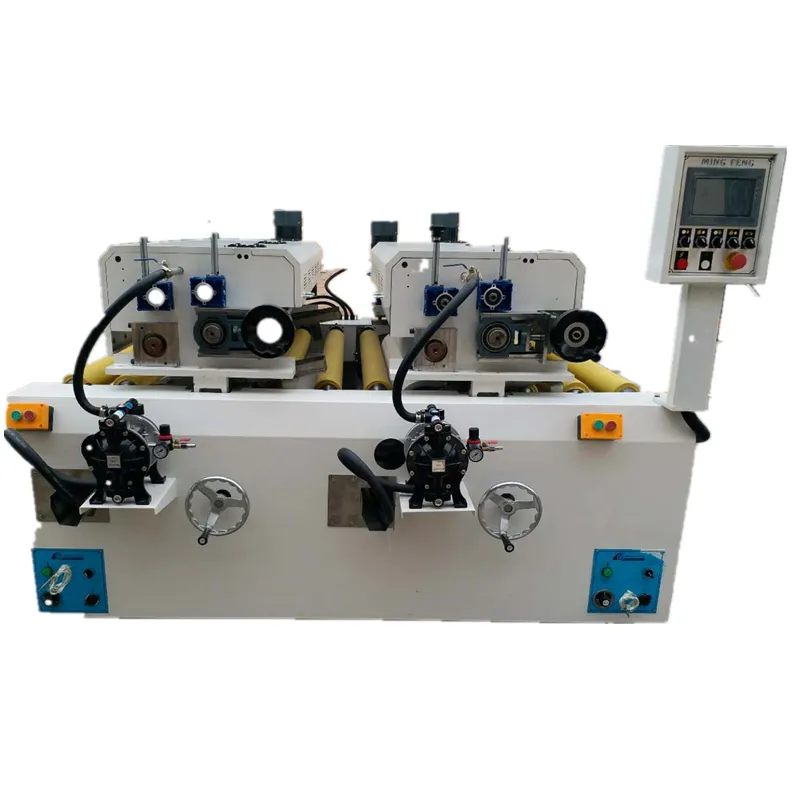
What is a UV Roller Coating Machine? Why is it closely related to coating quality?
A UV Roller Coating Machine is a precision device that uses rollers to transfer paint. It uses mechanical roller coating to evenly apply UV-curable paint to the substrate surface, which is then cured by UV lamps to form a dense and smooth coating.
Its core structure includes:
• Paint supply system: Responsible for stably delivering paint to the roller surface.
• Metering rollers and transfer rollers: Control coating thickness and uniformity.
• Back pressure rollers and conveyor system: Ensure tight contact between the substrate and the rollers.
• UV curing system: Rapidly cures the coating into a film using ultraviolet light energy.
Because coating uniformity and roller clearance directly affect coating quality, the UV Roller Coating Machine plays a crucial role in the entire UV process chain.
Improper operation or adjustment can indeed be an indirect cause of blistering.
Is coating blistering always caused by the UV Roller Coating Machine?
The answer is no.
Coating blistering is not entirely caused by the UV Roller Coating Machine, but equipment factors can play a "conducive" or "amplifying" role.
Coating blistering is a multi-factor coupled phenomenon, often involving:
• Problems with the coating itself (e.g., formulation, viscosity, solvent content);
• Environmental factors (e.g., humidity, temperature, airflow);
• Operating parameters (e.g., roller speed, clearance, pressure);
• Equipment structure or cleanliness.
In other words, while a UV Roller Coating Machine is not the only source of blistering, improper maintenance, setup, or operation can make it a key trigger.
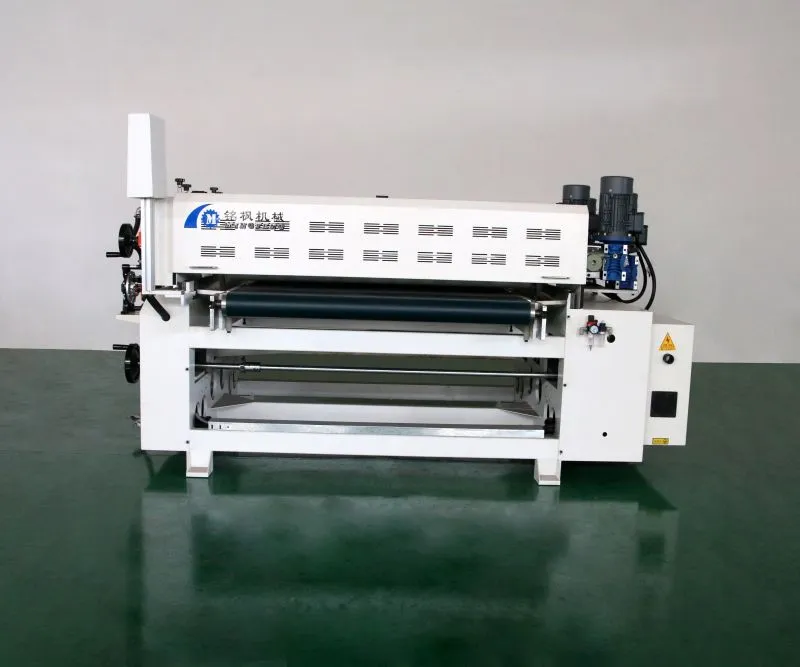
What is the essence of coating blistering?
Scientifically, coating blistering is essentially the failure of gases to escape before the coating cures. These gases are then trapped within the coating and solidify, forming bubbles.
These bubbles can originate from several sources:
• Air introduced during coating agitation or circulation;
• Release of residual moisture or gases from the substrate surface;
• Solvent reaction between the coating and the substrate;
• Shear stress during equipment application that induces microbubbles.
During the high-speed operation of a UV Roller Coating Machine, if these bubbles are not expelled in time, they will become "fixed" inside or on the surface of the coating after UV lamp curing.
Under what circumstances might a UV Roller Coating Machine cause coating blistering?
While equipment isn't the sole culprit, the following equipment-related factors can indeed easily induce coating blistering:
1. Improper Coating Roller Speed Settings
When the speed difference between the metering roller and transfer roller of a UV Roller Coating Machine is too large, shear bubbles can form in the coating layer.
Especially under high-viscosity coating conditions, these bubbles are more difficult to escape, resulting in "pinhole" or "bulge" defects during curing.
2. Insufficient Roller Gap or Excessive Pressure
If the gap between the metering roller and transfer roller is set too small, the coating will be forcibly squeezed, generating tiny bubbles.
These bubbles, though invisible to the naked eye, will form fine spots or uneven surfaces after UV curing.
3. Roller Surface Contamination or Residue
If the UV Roller Coating Machine is not cleaned promptly, residual paint, dust, and oil on the roller surface can disrupt the coating continuity, making it easier for bubbles to form or adhere.
4. Poor Sealing of the Paint Supply System
Leaks in the paint supply pump or pipelines can introduce air into the paint, causing widespread bubbling.
5. Excessively High Temperature in the UV Curing Zone
If the heat generated by the UV lamp is not dissipated in time, the surface of the coating will cure rapidly while the internal bubbles remain, forming "closed-loop bubbles."
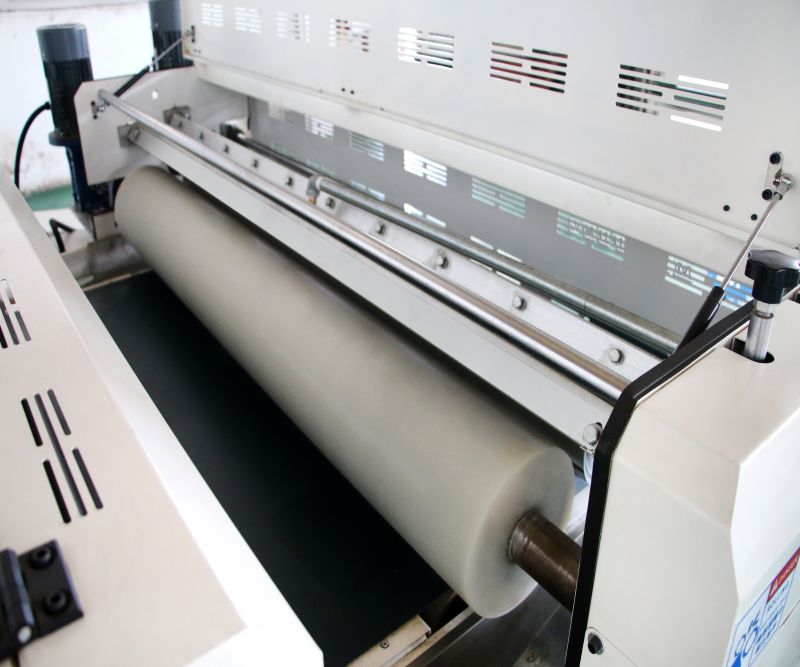
Besides equipment, what other factors can cause bubbling?
1. Paint Issues
• High viscosity → Bubbles cannot escape;
• High moisture content → Vaporization occurs during high-temperature curing;
• Unstable surface tension → Foam is easily trapped.
It is recommended to use low-foaming, anti-cratering UV paints specifically designed for UV roller coating processes.
2. Substrate Issues
Oil, moisture, or rough substrate surfaces can cause gas repulsion during coating.
For example, air released under pressure from the pores of wood can form "internal bubbles."
3. Production Environment Issues
Excessively high temperature or humidity fluctuations can alter the fluidity of the paint, affecting the defoaming speed.
The workshop temperature should be maintained between 20–25℃, and the humidity between 45–60%.
4. Operational Habits
Excessive stirring, unstable material feeding, and sudden changes in machine speed can all introduce air.
Professional operators should adhere to the principles of low-speed stirring and stable material feeding.
How to determine if bubbling is caused by the UV Roller Coating Machine?
The following aspects can be considered for diagnosis:
1. Bubble Location Analysis
• If the bubbles are evenly distributed and continuous, it is often related to the paint or paint supply system;
• If the bubbles appear in bands or periodically, it is often due to roller speed or gap issues;
• If they only appear in specific areas, it may be due to roller surface contamination or uneven UV light exposure.
2. Process Troubleshooting
The step-by-step elimination method is the most effective.
• Stop the machine and check for foam in the paint;
• Observe whether there are air bubbles flowing in the paint supply pipe;
• Check whether the roller operation is stable;
• Adjust the UV lamp power and observe the changes.
These methods can quickly determine if a problem originates from the UV Roller Coating Machine.
How to prevent coating blistering caused by the UV Roller Coating Machine?
To prevent coating blistering, control should be applied simultaneously at three levels: equipment, process, and materials:
1. Equipment Level
• Regularly clean the roller surface and paint supply system to prevent impurities from interfering;
• Check pipeline seals to prevent air from entering;
• Adjust the roller gap and speed ratio to maintain stable paint transfer;
• Ensure good heat dissipation from the UV lamp assembly to prevent overheating and curing.
2. Process Level
• Use a low-speed coating and gradual speed-up strategy to reduce shear bubbles;
• Optimize the UV energy ratio to ensure simultaneous curing inside and outside the coating;
• Control ambient temperature and humidity to maintain stable operating conditions;
• Use an electrostatic dust removal device to clean the substrate surface.
3. Materials Level
• Choose UV coatings with good anti-foaming properties;
• Perform vacuum degassing on the coating before use;
• Regularly test the coating viscosity and solids content;
• Avoid mixing coatings from different brands.
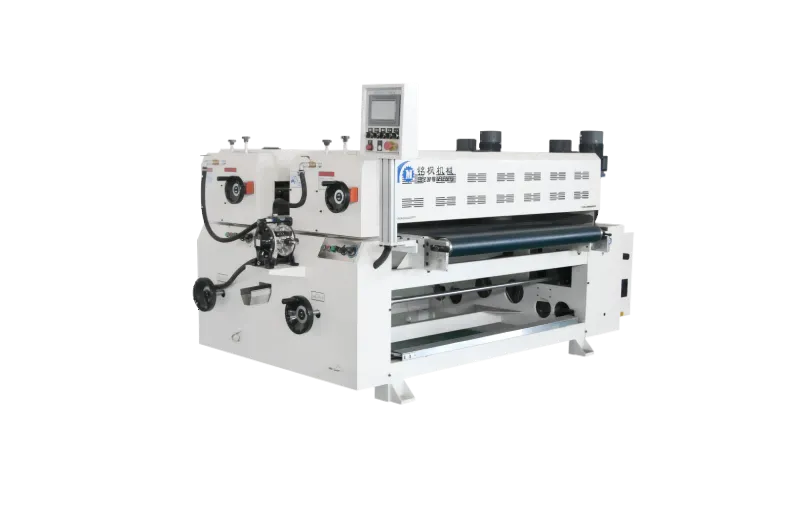
Why do slight bubbling sometimes occur even with good maintenance?
Even under strictly controlled conditions, a very small number of fine bubbles may appear; this is a normal phenomenon caused by physical laws.
The reasons are:
• Trace amounts of air in the coating are difficult to completely remove;
• Gas release from the substrate's micropores;
• Temperature changes during UV curing.
These fine bubbles usually have minimal impact on appearance and performance and can be resolved by light sanding and applying another coat of topcoat.
Therefore, not all bubbling should be attributed to the UV Roller Coating Machine.
Can increasing the roller speed of the UV Roller Coating Machine eliminate bubbles?
It is not recommended. Excessive roller speed will increase shear forces, actually generating more bubbles. A constant speed should be used, and the gap should be adjusted.
Can extending the UV curing time prevent bubbles?
Extending the irradiation time does not help remove bubbles and may even lead to over-curing. The correct approach is to pre-defoam or reduce the coating viscosity.
Can a heating device be added before the UV Roller Coating Machine to aid in defoaming?
Preheating the substrate or coating within a certain range (not exceeding 40℃) can promote bubble rise. However, excessively high temperatures should be avoided to prevent premature coating reaction.
Bubbles mainly appear in the first coating layer. What does this indicate?
This usually means the substrate has absorbed air or has excessive moisture content. Drying or under-sealing the substrate is recommended.
Does XMF Machinery offer branded coating machines?
Our products are marketed under the trusted XMF Machinery brand, which stands for quality, durability, and affordability. Buyers purchasing our brand gain access to advanced coating technology at low prices, supported by factory warranties and ongoing promotions. We are committed to maintaining a strong brand reputation in global markets.