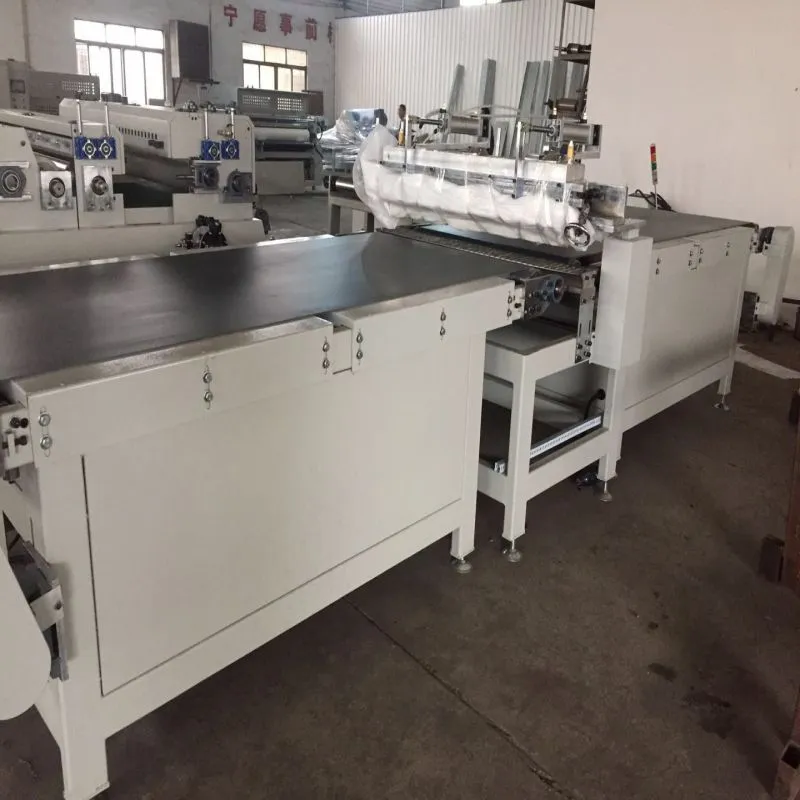
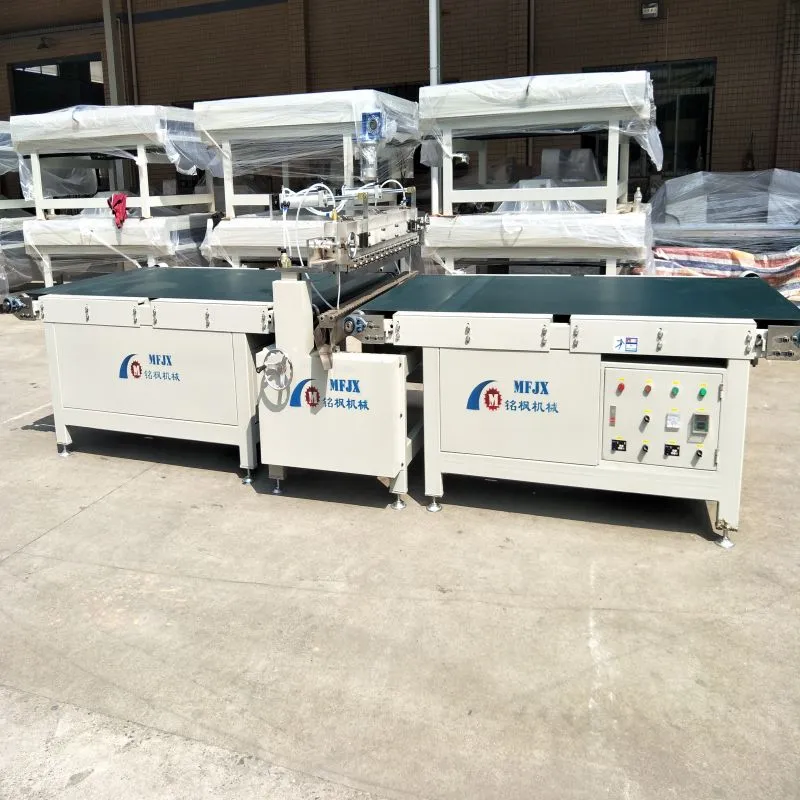
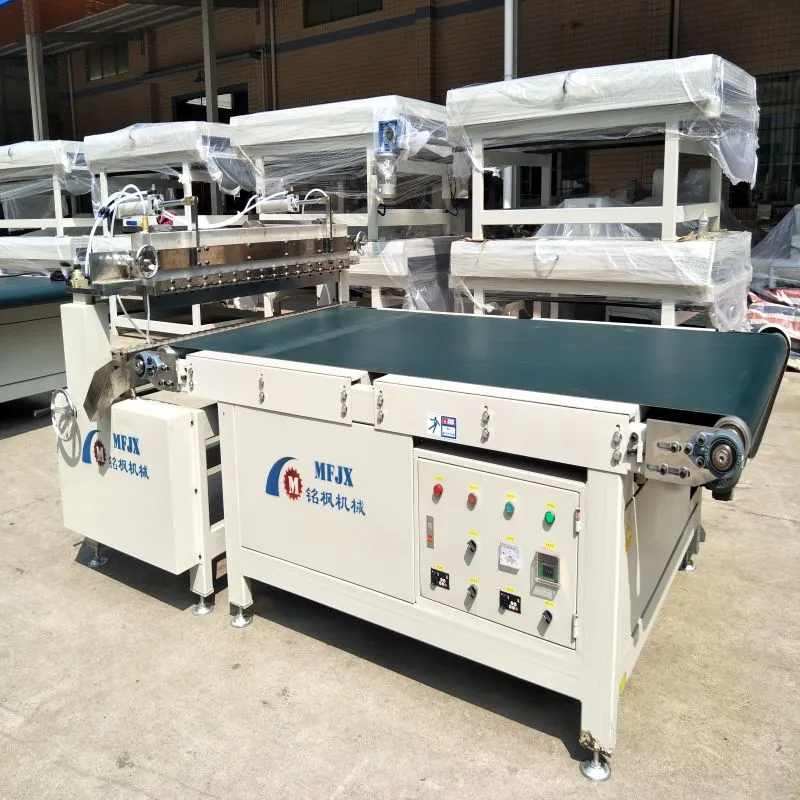
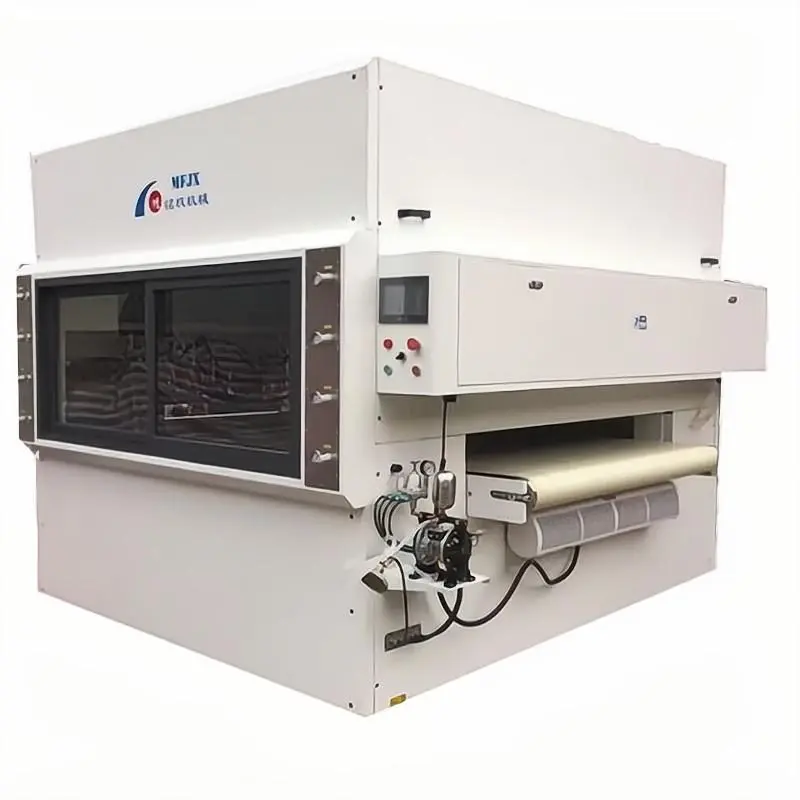
Not all curtain coating machines have an automatic paint return function.
The presence or absence of this function depends primarily on the equipment's design and application requirements.
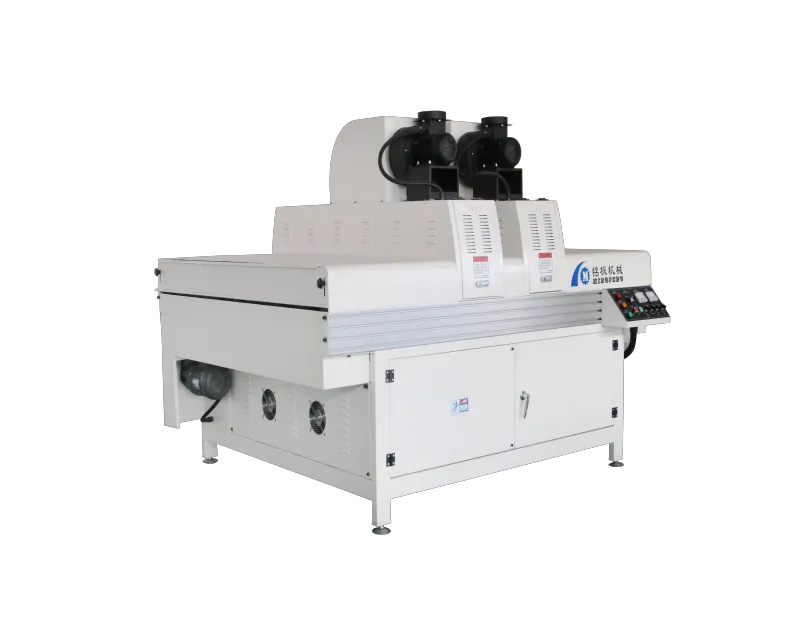
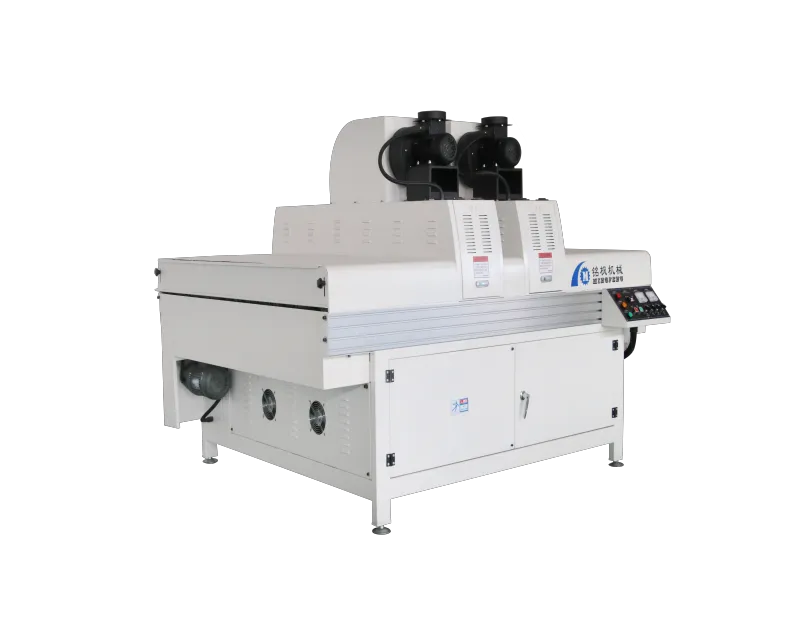
In principle, the curing time of a furniture UV dryer machine can be controlled, but this control is not achieved by "directly setting the time," but rather by adjusting parameters such as light intensity and speed.
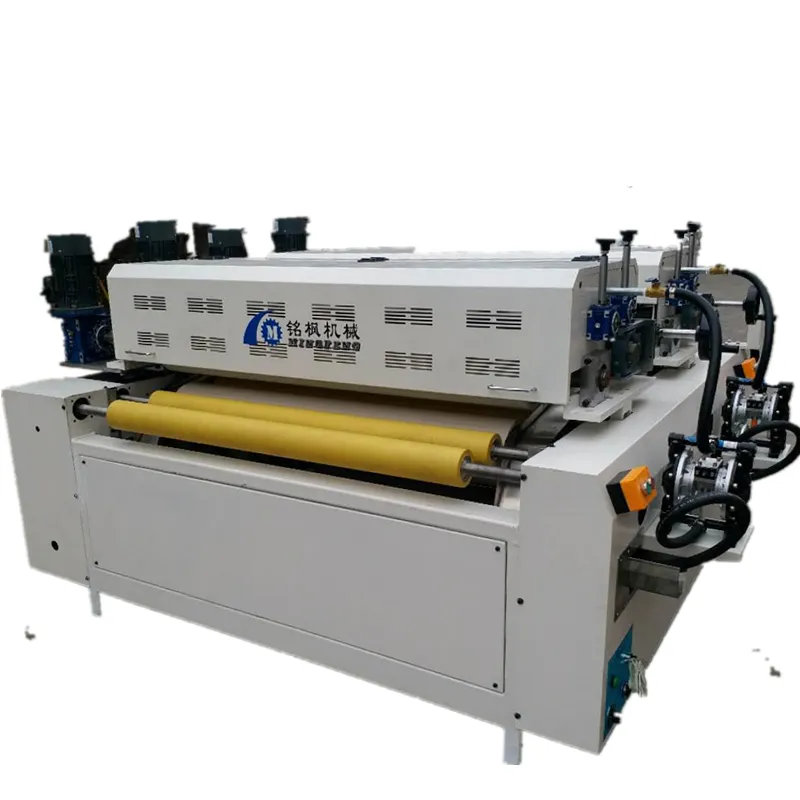
A roller coating production line is an automated coating equipment that uses coating rollers to evenly transfer paint to the surface of a workpiece. A curtain coating production line, on the other hand, is an automated coating equipment that uses a continuous "liquid curtain" of paint to cover the surface of a workpiece.
In industrial production, a standard coating production line typically includes the following main process stages:
1. Workpiece conveying system
2. Surface pretreatment system
3. Drying and preheating equipment
4. Spraying equipment
5. Leveling zone equipment
6. Curing and drying equipment
7. Cooling system
8. Environmental protection equipment
9. Control system
Under reasonable control parameters and in good equipment condition, a curtain coating machine can achieve:
• Coating thickness variation less than ±3μm;
• Uniform coating gloss and high smoothness;
• Paint utilization rate exceeding 90%, with minimal waste.
Furniture and Wood Products Industry: Used for surface curing of UV coatings
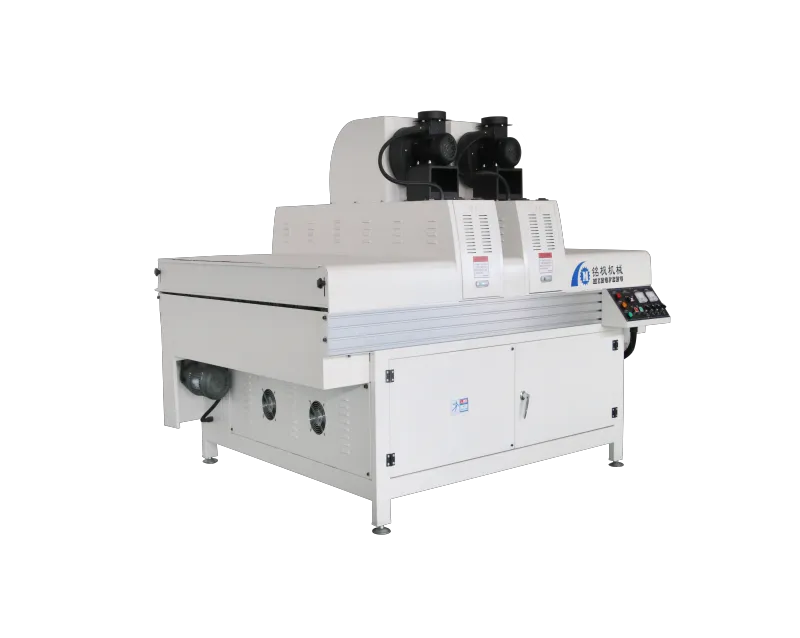
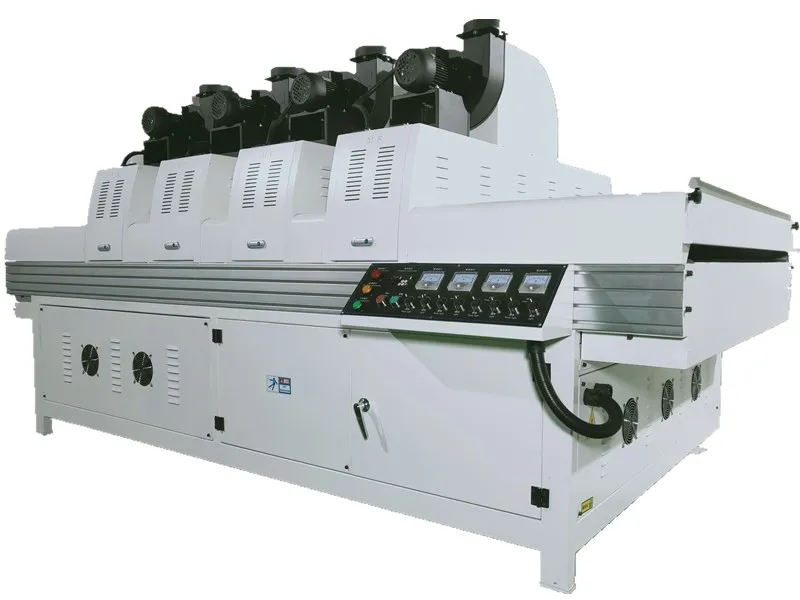
In furniture manufacturing, especially on production lines for panel furniture, cabinet doors, flooring, and other wood products, UV dryer machines are almost standard equipment.
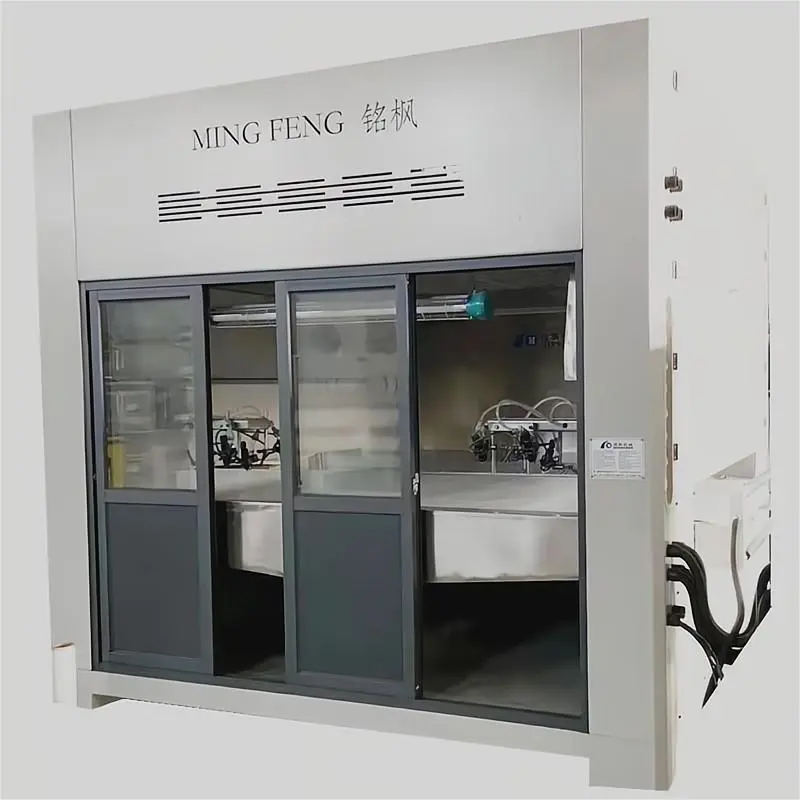
Metal parts are usually mass-produced, requiring consistent coating. Reciprocating automatic spray coating machines, relying on a programmable control system, can repeatedly execute the same spraying path, ensuring consistent paint film thickness and gloss on each workpiece.
The curing effect of a UV furniture dryer is inversely proportional to the conveyor speed.
Therefore, in actual production lines, to ensure a balance between speed and quality, at least two or three UV lamps are typically used in combination, with segmented irradiation to achieve uniform curing.
The core principle of a spray painting production line is to use compressed air or electrostatic action to atomize liquid paint into tiny particles and evenly spray them onto the workpiece surface. After the paint forms a wet film on the workpiece surface, it is transformed into a stable paint film through drying or curing equipment.
If the wavelength is properly matched, a UV dryer machine will achieve fast drying speed, strong coating adhesion, and a smooth, glossy surface; conversely, problems such as incomplete surface drying, sticky surface, and insufficient hardness may occur.