
In modern industrial manufacturing environments, dust control has become a crucial component of production management. Whether it's metal processing, wood processing, painting lines, or building materials production lines, varying degrees of dust are generated during the production process.
If this dust cannot be effectively treated, it will not only affect the production environment but may also impact equipment operation and product quality. Therefore, many companies install production line dust cleaner machines to collect and filter dust.
However, in actual operation, some companies find that the dust removal effect of the production line dust cleaner machines is not ideal. For example, there is still noticeable dust in the workshop air, a lot of dust accumulates around the equipment, or the dust emission rate is high. These phenomena are generally referred to as incomplete dust removal.
So, why do production line dust cleaner machines sometimes fail to remove dust completely? What are the reasons for this problem?
This article will help readers gain a more comprehensive understanding of the reasons for the poor dust removal effect of production line dust cleaner machines.
What is a production line dust cleaner machine?
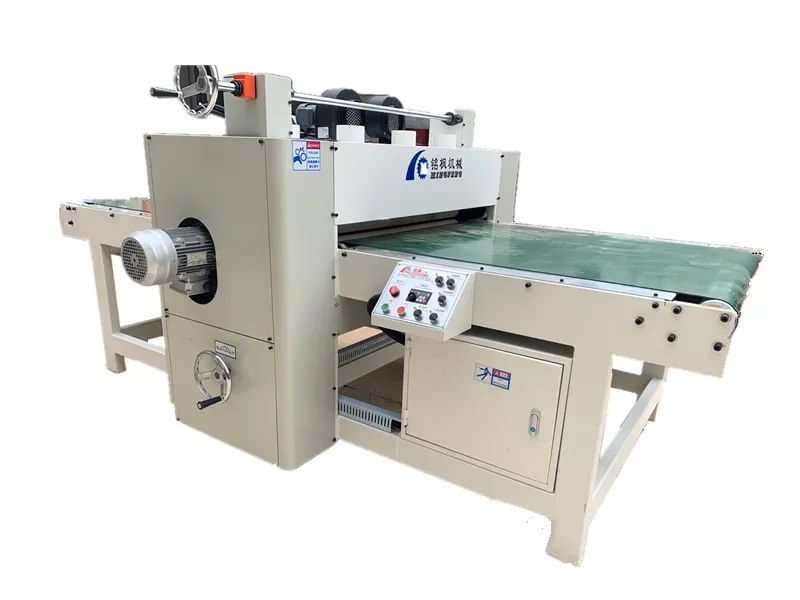
A production line dust cleaner machine is a device used for dust collection and filtration in industrial production lines. It draws dust-laden air into the equipment through a suction system, then uses a filtration device to separate the dust particles, thus purifying the air.
A complete production line dust cleaner machine typically includes the following components:
• Suction system
• Duct system
• Filtration system
• Dust collection device
• Exhaust system
• Control system
When the equipment is operating normally, dust-laden air is drawn into the filtration system, where dust is trapped on the filter material, while relatively clean air is exhausted from the equipment.
If the system is properly designed and operates stably, a production line dust cleaner machine can usually effectively reduce the concentration of dust in the air.
Why do production line dust cleaner machines sometimes fail to completely remove dust?
In actual industrial production, poor dust removal performance of production line dust cleaner machines is often the result of a combination of factors. The following are common reasons:
Is the airflow of the production line dust cleaner machine insufficient?
Airflow is one of the important factors affecting the dust removal performance of a production line dust cleaner machine.
1. Insufficient Airflow
If the equipment's airflow capacity is insufficient, it cannot promptly draw dust into the dust removal system. This causes dust to spread throughout the production area, resulting in incomplete dust removal.
2. Degraded Fan Performance
Over time, fan performance may decline. For example:
• Fan blade wear
• Reduced motor efficiency
• Increased duct resistance
These factors all lead to a decrease in the actual airflow of the production line dust cleaner machine.
When the airflow cannot meet the production line's needs, the dust removal effect will naturally be affected.
Is the Duct System Design Reasonable?
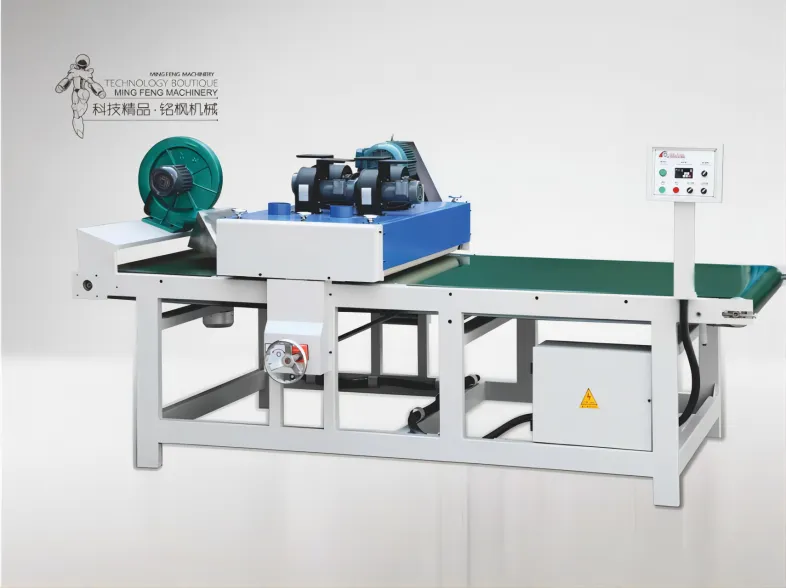
The duct system is a crucial component of the production line dust cleaner machine. An unreasonable duct design can also affect dust removal efficiency.
1. Excessively Long Ducts
If the duct distance is too long, it will generate significant resistance during air transport, thus reducing airflow efficiency.
2. Too Many Duct Bends
Too many bends in the duct increase airflow resistance, thereby affecting the overall suction power of the production line dust cleaner machine.
3. Air Leaks in the Pipes
If the pipe connections are not airtight, air leaks may occur. In this case, some air will enter the system through the pipe gaps, reducing dust removal efficiency.
Therefore, proper design of the piping system is crucial when installing a dust cleaner machine on a production line.
Does the Filtration System Affect Dust Removal?
The filtration system is a key component of the dust cleaner machine on the production line for dust separation. If the filtration system malfunctions, the dust removal effect will significantly decrease.
1. Clogged Filter Material
During long-term operation, a large amount of dust will accumulate on the surface of the filter material. If it is not cleaned in time, the filtration resistance will increase.
When the filtration resistance is too high, the airflow speed will decrease, thus affecting the working efficiency of the dust cleaner machine on the production line.
2. Damaged Filter Material
If the filter material is damaged, dust may directly pass through the filter layer into the exhaust system, leading to a decrease in dust removal efficiency.
Therefore, regularly checking the filtration system is essential for maintaining the stable operation of the dust cleaner machine on the production line.
Does the Nature of the Dust Affect the Performance of the Dust Cleaner Machine on the Production Line?
Different types of dust have different characteristics, which can affect the dust removal efficiency of the production line dust cleaner machine.
1. Extremely Fine Dust Particles
Some industrial dust particles are extremely fine, such as certain metal powders or chemical dusts. These types of dust are more easily carried by the air, increasing the difficulty of filtration.
2. Highly Sticky Dust
If the dust is highly sticky, it may adhere to the inside of the equipment or the surface of pipes, thus affecting the operating efficiency of the production line dust cleaner machine.
Therefore, when selecting equipment, it is necessary to choose a suitable production line dust cleaner machine based on the characteristics of the dust.
Is the Location of the Suction Port Reasonable?
The location of the suction port has a significant impact on dust collection efficiency.
1. Suction Port Too Far Away
If the suction port is too far from the dust generation point, the dust may diffuse in the air, reducing collection efficiency.
2. Insufficient Number of Suction Ports
If there are only a few suction ports on the production line, it may not be able to cover all dust-generating areas.
In such cases, even with a production line dust cleaner machine installed, incomplete dust removal may still occur.
Does equipment maintenance affect the efficiency of the production line dust cleaner machine?
Equipment maintenance is also a significant factor affecting dust removal efficiency.
1. Dust collection devices not cleaned in a timely manner
If the dust collection device is not cleaned for a long time, its internal space may become filled with dust, affecting equipment operation.
2. Dust accumulation inside the ducts
A large accumulation of dust inside the ducts can also increase airflow resistance, thus reducing the efficiency of the production line dust cleaner machine.
Therefore, regular equipment maintenance is crucial for maintaining effective dust removal.
Does the production environment affect the performance of the production line dust cleaner machine?
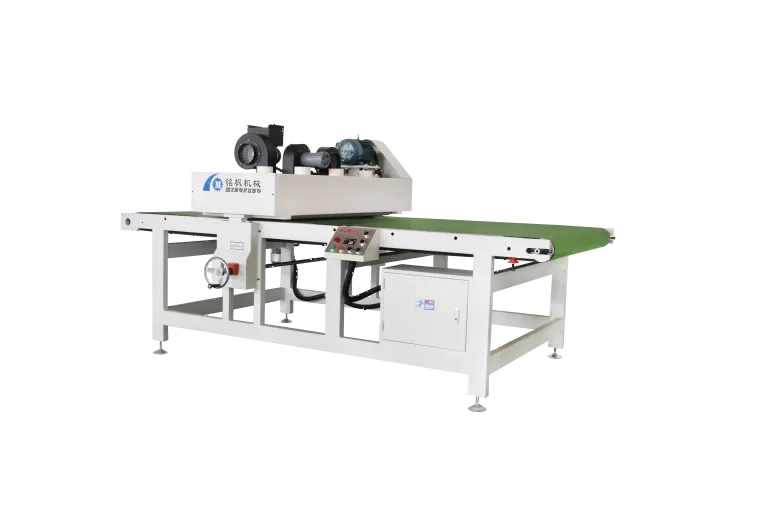
The production environment can also affect the operating status of the production line dust cleaner machine.
For example:
• Strong airflow in the workshop
• Inappropriate equipment layout
• Excessive dust generation
These factors can all lead to dust dispersion, thereby reducing the overall efficiency of the dust removal system.
Therefore, the installation location and overall layout of the production line dust cleaner machine must be considered when planning the production line.
How to determine if the dust cleaner machine on the production line is operating normally?
In daily production management, companies can use some simple methods to determine the operating status of the dust cleaner machine on the production line.
For example:
• Observe the dust concentration in the workshop air
• Check the suction power of the dust extraction port
• Check the status of the filtration system
• Check for air leaks in the pipes
Through these checks, equipment problems can be detected in a timely manner, thereby preventing a decline in dust removal efficiency.
How does XMF Machinery assist customers during the purchasing process?
XMF Machinery provides professional support throughout the purchasing process, from initial consultation to final delivery. As a responsible supplier and manufacturer, we help customers select suitable roller coating machines, spraying machines, or complete production lines based on materials and output goals. Our sales and technical teams provide clear specifications, layout suggestions, and process advice.