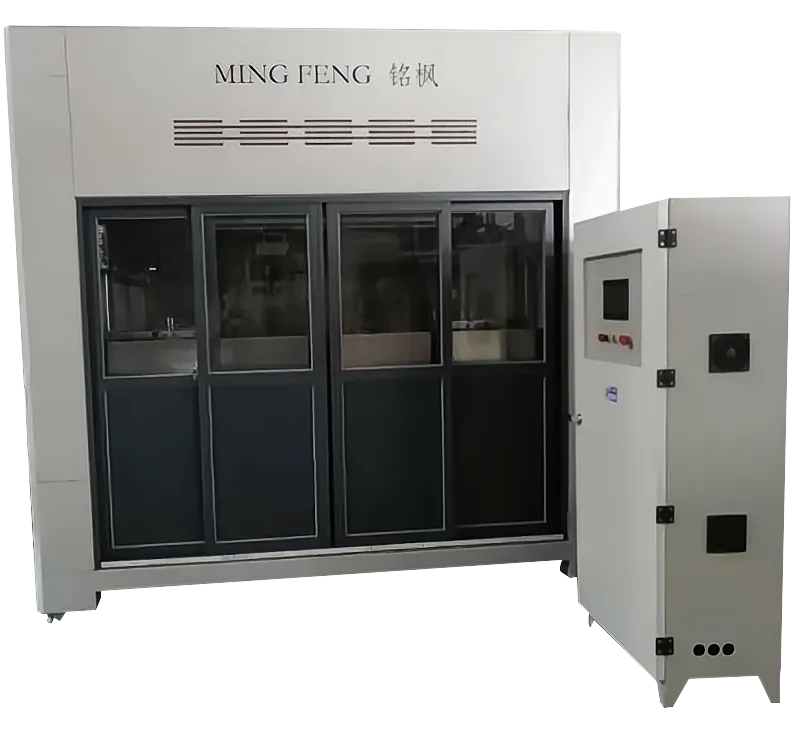

With the continuous advancement of automation in manufacturing, spray painting production lines have become essential equipment across industries such as automotive manufacturing, construction machinery, hardware products, home appliance casings, new energy equipment, steel structural components, and furniture production. For modern manufacturing enterprises, product surface quality not only determines the visual appeal and perceived grade of the product but also directly impacts corrosion resistance, service life, and market competitiveness. Consequently, an increasing number of companies are adopting automatic spray painting machines and intelligent spray painting production lines to replace traditional manual spraying methods, aiming for higher efficiency, more consistent quality, and lower overall production costs.
Industry statistics indicate that, compared to traditional manual spraying, spray painting production lines utilizing automatic spraying machines can boost spraying efficiency by approximately 30% to 60% and increase coating utilization by 15% to 30%. They also significantly enhance product consistency and reduce rework rates by over 20%. Amidst increasingly stringent environmental regulations, automated spray painting production lines—through precise control of spraying parameters and integrated exhaust treatment systems—can effectively lower VOC emissions, helping enterprises meet the requirements of green manufacturing.
So, what exactly are the process steps involved in a standard spray painting production line, and what role does each stage play? This article provides a detailed analysis of the complete process of a standard spray painting production line, based on actual production workflows.
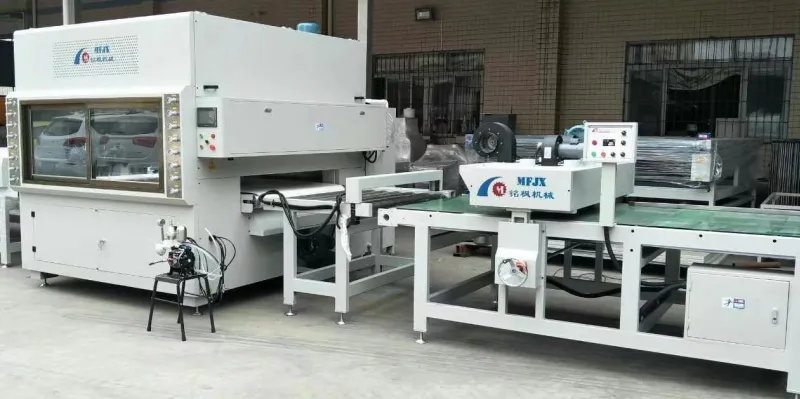
Overall Composition of a Spray Painting Production Line
A complete automated spray painting production line typically comprises a loading system, pretreatment system, drying system, spraying system, leveling system, curing system, cooling system, unloading system, exhaust treatment system, and a central control system. The automatic spray painting machine serves as the core equipment of the entire process, while the conveyor chain system handles the critical task of automatically transporting workpieces. All equipment is arranged according to a set process sequence, creating a continuous, automated, and standardized production model that ensures consistent surface treatment results for every workpiece.
Step 1: Workpiece Loading
The production process of a spray painting production line typically begins with loading. After undergoing welding, stamping, machining, or assembly, workpieces must enter the spray painting workshop for surface treatment. To ensure the quality of the subsequent coating process, workpieces undergo a preliminary inspection before entering the production line to verify the absence of significant deformation, residual welding slag, oil accumulation, or mechanical damage.
In modern automated spray painting production lines, workpieces are typically loaded using overhead conveyor chains, floor-mounted conveyor chains, or robotic handling systems. Overhead conveying is commonly used for mass-produced items such as automotive parts and home appliance housings, allowing them to enter various processing zones continuously at a fixed cadence. For heavier products—such as large steel structural components or construction machinery parts—floor-mounted rail conveyors or Automated Guided Vehicle (AGV) systems are more frequently employed. An appropriate loading method not only boosts production efficiency but also prevents collisions and contamination during transport.
Step 2: Pre-treatment Process
Pre-treatment is one of the most critical foundational steps in the entire spray painting production line; its quality often determines more than 70% of the final coating quality. Many enterprises focus heavily on the automatic spray painting equipment itself while overlooking the importance of pre-treatment. In reality, even with state-of-the-art spray painting machinery, inadequate pre-treatment can still lead to issues such as paint film peeling, blistering, and rusting.
The primary objective of pre-treatment is to remove oil, mill scale, rust, dust, and other impurities from the workpiece surface while enhancing adhesion between the substrate and the coating. Pre-treatment in a standard spray painting production line typically involves multiple stages, including degreasing, water rinsing, surface conditioning, phosphating, and deionized water rinsing.
The degreasing stage utilizes alkaline cleaners or specialized degreasing agents to remove machining oils, anti-rust oils, and processing residues from the workpiece surface. Following degreasing, the workpieces undergo multi-stage water rinsing to ensure no chemical residues remain. Next, they enter the surface conditioning stage, where the formation of uniform active sites creates the necessary conditions for the subsequent phosphating reaction. The phosphating process generates a dense phosphate film on the metal surface; this film not only improves coating adhesion but also enhances corrosion resistance. Finally, a deionized water rinse is performed to ensure the workpiece surface meets the requirements for spray painting. For aluminum alloys, stainless steel, and plastic components, specialized processes—such as zirconium conversion coating, passivation, or plasma treatment—are employed based on material characteristics to ensure optimal coating results.
Step 3: Pre-drying
After pretreatment, residual moisture often remains on the workpiece surface. Proceeding directly to the coating stage could lead to issues such as pinholes, air bubbles, or poor coating adhesion. Consequently, the vast majority of spray painting production lines are equipped with pre-drying units.
Pre-drying ovens typically utilize hot-air circulation, maintaining temperatures between 80°C and 140°C to rapidly evaporate surface moisture. For standard hardware components, the drying time is generally set between 10 and 20 minutes; however, for complex or large-sized workpieces, this duration may extend to 30 minutes or more.
While this step may appear simple, it significantly impacts the quality of the subsequent coating. Thorough drying ensures a strong bond between the coating and the substrate while minimizing the likelihood of future coating defects.
Step 4: Electrostatic Dust Removal
Before entering the spray booth, workpieces undergo an electrostatic dust removal process. Even after pretreatment and drying, workpieces can still attract airborne dust particles during transport. If these impurities adhere to the surface, they can cause defects such as a grainy texture, pitting, or surface unevenness.
Modern spray painting production lines typically employ ionizing air blowers or electrostatic dust removal systems; these neutralize static electricity on the workpiece surface using positive and negative ions while using high-speed airflow to blow away dust. High-end automotive painting lines may even utilize fully automated dust-removal robots to clean vehicle bodies 360 degrees without blind spots, ensuring the painting environment meets stringent cleanliness standards.
Step 5: Automated Spraying Operation
Automated spraying represents the core process of the entire spray painting production line and is the critical step determining the product's visual quality.
With advancements in industrial robotics, mainstream spray painting production lines now widely utilize six-axis spraying robots, reciprocating automatic spraying machines, and multi-station automated spraying systems. Compared to traditional manual spraying, automatic spray painting machines offer significant advantages, including precise spray paths, uniform film thickness, high production efficiency, and superior material utilization rates.
In actual production, the automatic spray painting machine first applies the primer according to a preset program. The primer serves primarily to enhance adhesion and corrosion resistance, with its film thickness typically controlled between 20 and 40 microns. Following the primer application, the process proceeds to the intermediate coat or topcoat stage, depending on product requirements. Automotive exterior parts, high-end home appliances, and electronic device housings often require multi-layer coating to achieve superior decorative finishes and weather resistance.
During the spraying process, the machine dynamically controls key parameters—such as spray gun pressure, atomization quality, spray pattern width, spraying distance, and speed—to ensure highly consistent film thickness across the entire workpiece surface. Data indicates that modern automatic spray painting machines can achieve a repeatability precision of within ±0.05 mm, far surpassing the capabilities of manual spraying.
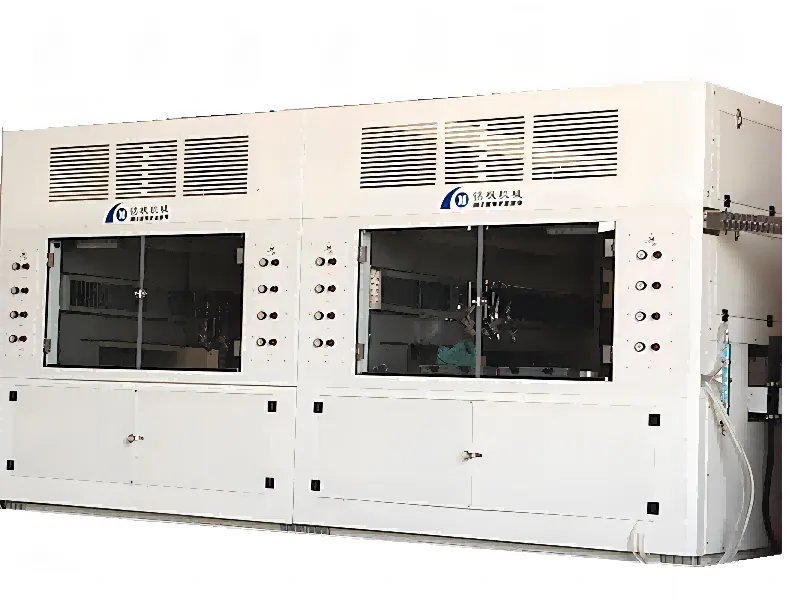
Step 6: Leveling Process
After spraying, the paint film does not cure immediately; instead, it enters a leveling zone for surface adjustment.
Leveling involves allowing the paint to spread naturally under the influence of gravity and surface tension, thereby eliminating defects such as fine ripples, "orange peel," and pinholes formed during the spraying process. Effective leveling significantly enhances the product's surface gloss and mirror-like finish.
Typically, the leveling time on the spray painting production line ranges from 5 to 20 minutes, with the ambient temperature maintained between 20°C and 30°C. Air cleanliness is strictly controlled to prevent dust from settling on the uncured paint film.
Step 7: High-Temperature Curing Process
Once leveling is complete, the workpiece enters a curing oven for baking. Curing is a critical stage in the spray painting production line that determines the final properties of the paint film; its primary purpose is to induce cross-linking within the coating, creating a robust and stable protective layer.
Different coating systems require specific curing temperatures. For instance, while conventional solvent-based coatings typically cure at temperatures between 140°C and 180°C, powder coating lines generally operate within the 180°C to 220°C range. Curing times usually range from 20 to 40 minutes, adjusted according to the workpiece material, thickness, and coating type.
Following the curing process, the coating film exhibits significantly improved hardness, adhesion, wear resistance, corrosion resistance, and weatherability. High-quality spray painting lines utilize precise temperature control systems to keep oven temperature fluctuations within ±3°C, ensuring consistent product quality across batches.
Step 8: Cooling Process
After high-temperature curing, workpiece temperatures often exceed 100°C, making immediate packaging or manual handling unsafe. Consequently, spray painting lines are typically equipped with a cooling zone.
Cooling systems generally employ a combination of natural cooling and forced air cooling to gradually bring workpieces down to room temperature. A well-designed cooling process not only protects the coating film from external damage but also stabilizes the coating structure, thereby enhancing the final product quality.
Some high-end production lines incorporate a controlled, gradual cooling process to prevent the formation of micro-cracks caused by excessive internal stress resulting from rapid temperature drops.
Step 9: Quality Inspection Process
Quality inspection is a crucial component of the spray painting line. As modern manufacturing enterprises impose increasingly strict requirements on coating quality, systematic inspection methods are essential to ensure products meet technical standards.
Inspection procedures primarily cover coating thickness, adhesion, hardness, gloss, color consistency, and corrosion resistance. Some advanced automated spray painting lines feature machine vision inspection systems; these use high-definition industrial cameras to automatically detect defects such as sagging, craters, particles, and missed spots, enabling real-time quality monitoring.
Industry standards consider a coating pass rate of over 95% to be high, while advanced automated spray painting lines can achieve a first-pass yield exceeding 98%.
Step 10: Unloading and Packaging
Once they pass inspection, the products proceed to the unloading area. Workpieces are automatically transported via a conveyor system to designated stations, where they are unloaded, sorted, and packaged by robotic arms or personnel.
To prevent scratches to the paint film during transport, protective measures such as EPE foam, anti-scratch film, or specialized packaging racks are typically employed. Once packaged, the products are ready for warehousing or shipment, marking the completion of the entire spray painting production line process.
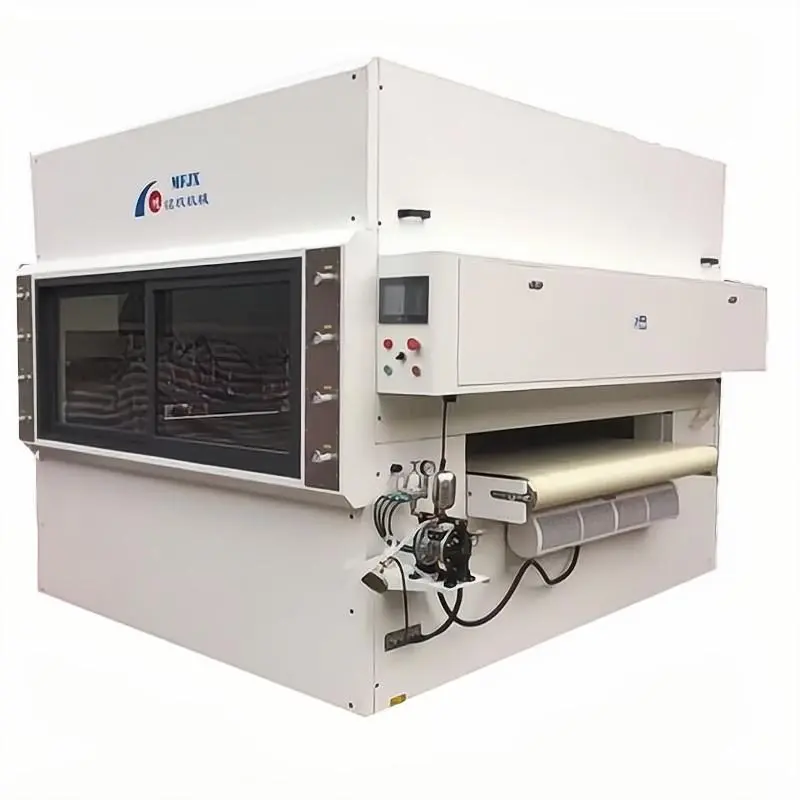
The Vital Role of Environmental Protection Systems in Spray Painting Production Lines
As environmental regulations become increasingly stringent, modern spray painting production lines must meet emission standards in addition to focusing on coating quality and production efficiency. Consequently, exhaust gas treatment systems have become standard equipment.
VOC-laden exhaust gases generated during the spraying process typically undergo treatment via methods such as water curtain filtration, dry filtration, activated carbon adsorption, catalytic oxidation (RCO), or regenerative thermal oxidation (RTO). Advanced spray painting production lines can achieve exhaust purification efficiencies exceeding 95%, thereby not only complying with environmental regulations but also reducing the company's environmental compliance risks.
FAQ
FAQ 1: How high is the production efficiency of a spray painting production line?
Production efficiency depends primarily on product dimensions, process complexity, and the level of automation. A standard hardware spray painting production line can process between 200 and 1,000 units per hour, whereas large-scale automatic spray painting lines can cover hundreds of square meters of surface area per hour.
FAQ 2: What are the advantages of automatic spray painting machines over manual spraying?
Automatic spray painting machines offer superior coating uniformity, high repeatability, high paint utilization rates, lower labor costs, and higher production efficiency; they also effectively minimize quality fluctuations caused by human factors.
FAQ 3: Is a pre-treatment process essential for a spray painting production line?
The vast majority of metal workpieces require pre-treatment. Pre-treatment enhances paint film adhesion and corrosion resistance, serving as a crucial foundation for ensuring high-quality coating results.
FAQ 4: What is the difference between a spray painting production line and a powder coating production line?
Spray painting production lines primarily utilize liquid coatings applied via automatic spraying machines, whereas powder coating lines use electrostatically charged powder coatings that are melted at high temperatures to form the coating layer; the two differ significantly in terms of equipment structure and process parameters.
FAQ 5: What factors should be considered when setting up an automated spray painting production line?
When planning a spray painting production line, enterprises need to comprehensively consider factors such as product type, production capacity requirements, factory floor space, environmental regulations, the level of automation, and the investment budget, and then select the appropriate automatic spray painting equipment and supporting system solutions based on their specific circumstances.