
In the realm of modern industrial manufacturing, many materials—such as plastic films, metal foils, paper, electronic materials, and composite materials—are continuously produced and processed in the form of rolls. To enhance production efficiency and ensure coating uniformity, many enterprises utilize Roll-to-Roll Coating Machines to perform surface coating treatments.
A Roll-to-Roll Coating Machine is a type of automated equipment specifically designed for the continuous coating of web-based materials. It is capable of uniformly applying a coating material onto the surface of a flexible substrate, subsequently forming a stable coating structure through drying or curing processes. This equipment is widely employed in the production of various products, including electronic materials, packaging materials, functional films, optical materials, and industrial tapes.
So, what exactly constitutes the process flow of a Roll-to-Roll Coating Machine? In actual production, a complete Roll-to-Roll coating process typically comprises a series of continuous stages, including unwinding, tension control, coating, drying, cooling, and rewinding.
This article will provide a systematic overview of the Roll-to-Roll coating process flow and explain the specific function of each individual stage.
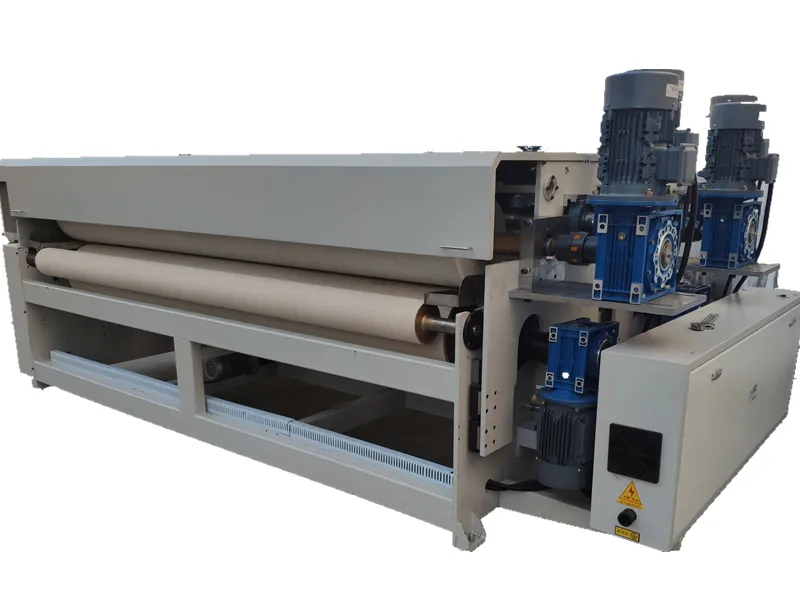
What is a Roll-to-Roll Coating Machine?
A Roll-to-Roll Coating Machine is a device that facilitates coating operations by utilizing a continuous web transport mechanism. Its primary characteristic is that it unwinds the material from a supply roll at the unwinding end; after the material passes through various processing stages, it is then rewound back into a finished roll.
This equipment is referred to as "Roll-to-Roll" because the production process begins with a roll of material and concludes with a roll of material. Through continuous operation, the Roll-to-Roll Coating Machine is able to achieve high-speed and stable coating processing.
Main Components of a Roll-to-Roll Coating Machine
A complete Roll-to-Roll Coating Machine system typically consists of the following components:
•Unwinding Unit
•Tension Control System
•Coating Unit
•Drying System
•Cooling System
•Web Guiding (Alignment) System
•Rewinding Unit
These components are integrated according to the specific process sequence, enabling the Roll-to-Roll Coating Machine to execute continuous production operations.
Why Does a Roll-to-Roll Coating Machine Require an Unwinding System?
In the production workflow of a Roll-to-Roll Coating Machine, the initial stage is typically the unwinding process. The unwinding system is responsible for unrolling the raw web material and conveying it to subsequent processing equipment.
1. Main Components of the Unwinding System
The unwinding system typically comprises the following equipment:
•Unwinding stand
•Braking device
•Tension control device
•Automatic splicing device
These components ensure that the web material remains in a stable state as it enters the production line.
2. Functions of the Unwinding System
In a roll-to-roll coating machine, the unwinding system primarily performs the following functions:
•Unrolling the raw web material
•Maintaining stable tension
•Ensuring smooth material conveyance
If the unwinding process is unstable, subsequent coating operations may be adversely affected; therefore, the unwinding system constitutes a critical component of the roll-to-roll coating machine.
Why do Roll-to-Roll Coating Machines Require a Tension Control System?
During the continuous processing of web materials, material tension exerts a significant influence on coating quality. Consequently, roll-to-roll coating machines are typically equipped with a precise tension control system.
1. Components of the Tension Control System
A tension control system typically consists of:
•Tension sensors
•Controllers
•Tension adjustment devices
These components enable real-time monitoring of material tension and facilitate automatic adjustments.
2. The Critical Role of Tension Control
In a roll-to-roll coating machine, stable tension serves to:
•Prevent material wrinkling
•Prevent material deformation
•Maintain a consistent coating thickness
As such, the tension control system is an essential component for guaranteeing coating quality.
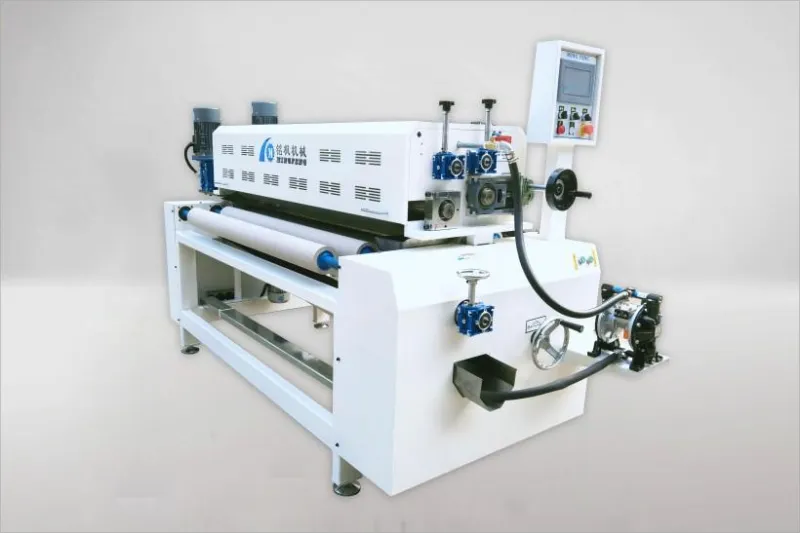
How is the Coating Process Executed in a Roll-to-Roll Coating Machine?
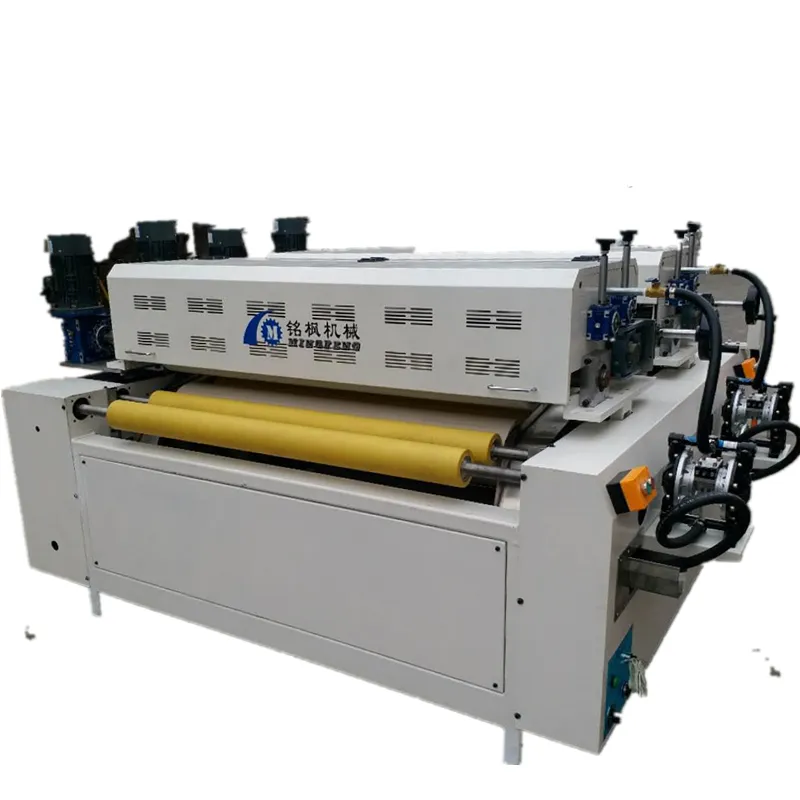
The coating process constitutes the core stage within the production workflow of a roll-to-roll coating machine. During this phase, the coating material is applied uniformly onto the surface of the web material.
1. Common Coating Methods in Roll-to-Roll Coating Machines
In industrial manufacturing, common coating methods employed by roll-to-roll coating machines include:
•Roll coating
•Doctor blade coating
•Slot die coating
•Gravure coating
•Dip coating
Different coating methods are suited to different types of materials and coating substances.
2. Functions of the Coating Unit
In a roll-to-roll coating machine, the primary functions of the coating unit include:
•Controlling coating thickness
•Ensuring coating uniformity
•Improving coating efficiency
By precisely controlling coating parameters, consistent coating quality can be achieved.
Why does a roll-to-roll coating machine require a drying system?
After the coating process is complete, the coating typically requires drying to remove solvents or to cure the coating layer. Therefore, roll-to-roll coating machines are typically equipped with a drying system.
1. Types of Drying Systems
Common drying methods include:
•Hot air circulation drying
•Infrared heating drying
•Electric heating drying
Different drying methods are suitable for different types of coatings.
2. Functions of the Drying System
In a roll-to-roll coating machine, the drying equipment is primarily used to:
•Remove solvents from the coating
•Cure the coating structure
•Maintain coating stability
A stable drying process ensures the quality of the final coating.
Why does a roll-to-roll coating machine require a cooling system?
After the drying or curing process is complete, the material temperature is typically elevated; therefore, a cooling process is required.
1. Configurations of the Cooling System
In a roll-to-roll coating machine, the cooling system typically consists of:
•Cooling rollers
•Air-cooling devices
•Cooling channels
These components serve to lower the material temperature, making it suitable for subsequent winding.
2. Functions of the Cooling System
The primary functions of the cooling system in a roll-to-roll coating machine include:
•Lowering the material temperature
•Stabilizing the coating structure
•Preventing material deformation
Consequently, the cooling stage constitutes a critical link in the overall coating process.
Why does a roll-to-roll coating machine require a web guiding system?
During the continuous transport of the web material, lateral deviation may occur. To ensure that the material consistently follows the correct path, roll-to-roll coating machines are typically equipped with a web guiding system.
1. Components of the Web Guiding System
A web guiding system typically comprises:
•Photoelectric sensors
•A control system
•Adjustment mechanisms
These components automatically detect the material's position and execute the necessary adjustments.
2. The Importance of the Web Guiding System
In a roll-to-roll coating machine, the web guiding system serves to:
•Prevent material misalignment
•Ensure precise coating placement
•Enhance production stability
If material misalignment becomes severe, it may compromise coating quality.
Why does a roll-to-roll coating machine require a winding system?
Upon the completion of all processing stages, the material must be rewound into a finished roll; this process is executed by the winding system.
1. Key Components of the Winding System
A winding system typically comprises:
•A winding stand
•A tension control mechanism
•A winding unit
These components work together to neatly wind the processed material.
2. The Function of the Winding System
Within a roll-to-roll coating machine, the winding system is primarily responsible for:
•Winding the finished material
•Maintaining the neatness of the roll
•Preventing material damage
A stable winding process is essential for ensuring the quality of the finished product.
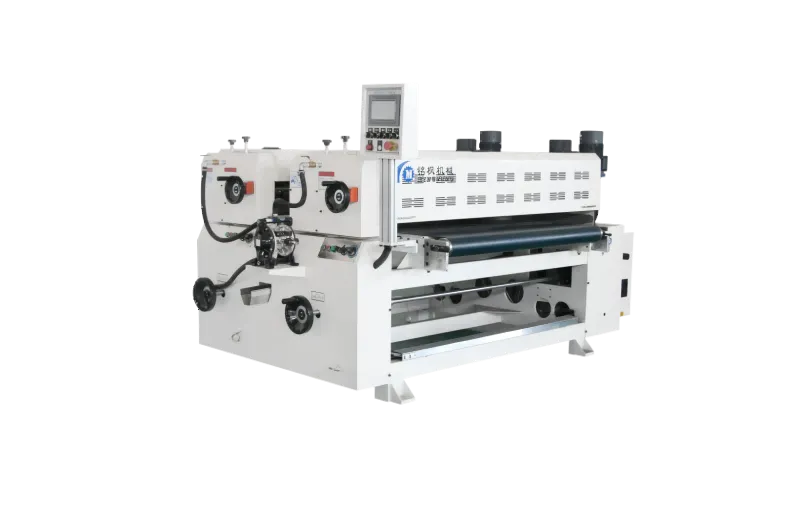
Summary of the Complete Process Flow for a Roll-to-Roll Coating Machine
A standard production workflow for a roll-to-roll coating machine typically involves the following steps:
1.Unwinding
2.Tension Control
3.Coating Application
4.Drying
5.Cooling
6.Web Guiding Control
7.Winding
Through this sequence of continuous operations, a roll-to-roll coating machine achieves highly efficient coating processing for roll-based materials.