

In the industrial manufacturing sector, paint spraying production lines are widely used in furniture manufacturing, automotive parts processing, metal product processing, home appliance manufacturing, and building materials industries. The paint spraying process provides a protective and decorative layer to the product surface, improving its corrosion resistance, wear resistance, and appearance quality.
In actual production, paint spraying production lines not only generate paint mist but may also produce large amounts of dust and particulate contaminants. If these contaminants are not removed in a timely manner, they can affect the coating quality and the production environment.
To ensure the stable operation of the coating process, many factories equip their paint spraying production lines with professional dust collectors. Dust collectors can effectively remove dust and particulate matter from the air, thereby maintaining a clean production environment and improving coating quality.
So, what exactly is the role of a dust collector in a paint spraying production line? This article will systematically introduce the functions, working principles, and importance of dust collectors in paint spraying production lines from multiple perspectives.
What is a paint spraying production line?
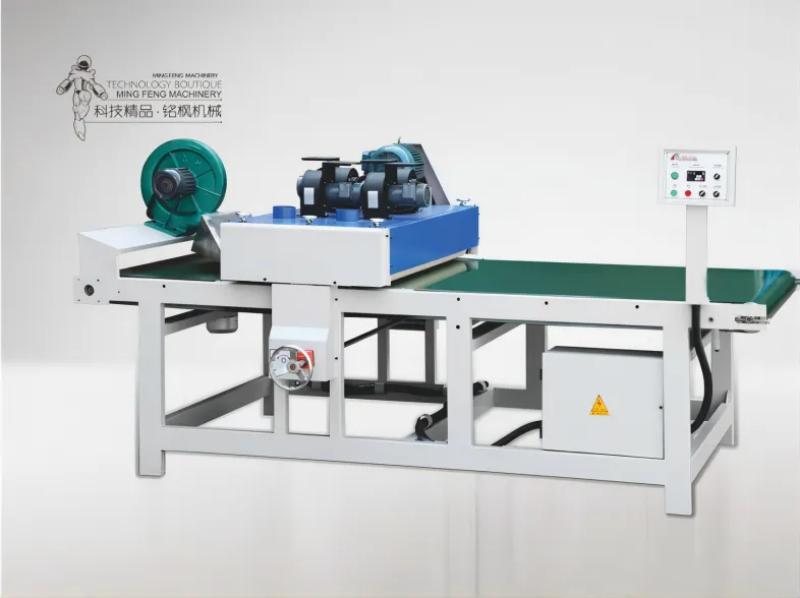
A paint spraying production line is an automated production system used for surface coating of products. Workpieces are sequentially fed into various processing areas via conveyor equipment to complete surface treatment, painting, drying, and curing processes.
A complete painting production line typically includes the following equipment:
• Pre-treatment equipment
• Spray booth
• Paint mist filtration system
• Drying equipment
• Conveying system
• Dust collection equipment
Among these devices, the dust collector is primarily responsible for air purification and dust collection, and is crucial for ensuring a stable production environment.
Why is a dust collector needed on a painting production line?
During the painting process, a large amount of dust in the air can affect the painting quality. Therefore, many companies equip their painting production lines with dust collectors.
1. Maintaining a clean production environment
During the production process, dust may be generated during workpiece surface treatment, grinding, or material conveying. If this dust enters the painting area, it may affect the coating quality.
By installing a dust collector, the amount of dust particles in the air can be reduced, thereby maintaining a clean environment on the painting production line.
2. Reduce Air Pollutants
In some production environments, particulate pollutants in the air may originate from multiple processes. Dust collectors can filter the air, thereby reducing the concentration of air pollutants.
3. Improve Painting Quality
If the air contains dust particles, these particles may adhere to the surface of the workpiece, affecting the painting effect. By using dust collectors, the impact of dust on the painting process can be reduced.
Therefore, dust collectors play an important role in the painting production line.
What are the main functions of a dust collector in a painting production line?
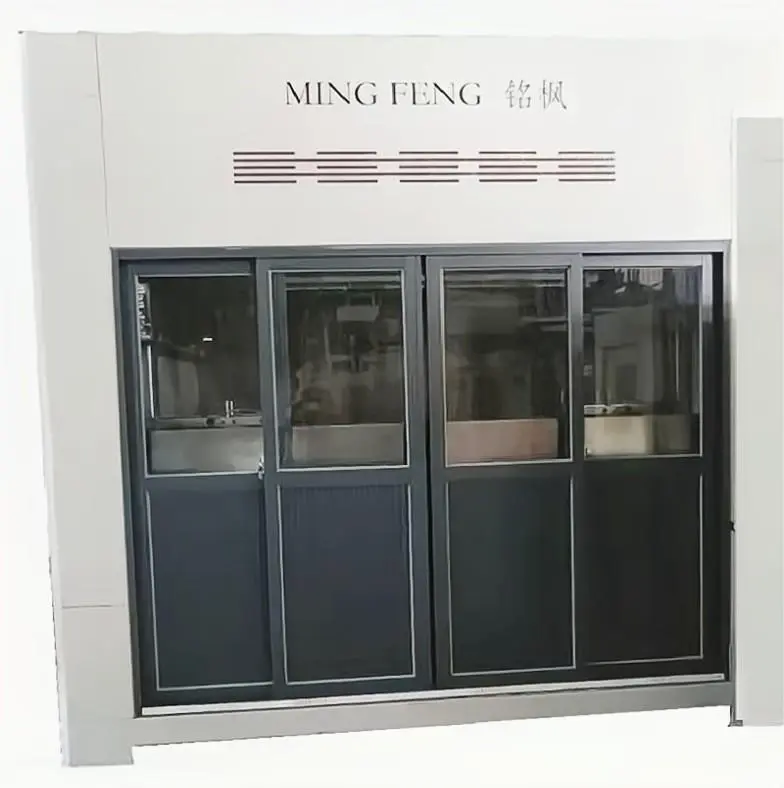
In a painting production line, dust collectors typically perform multiple functions, not only for dust collection but also for improving the overall production environment.
1. Dust Collection
During the production process, dust collectors use a suction system to draw airborne dust into the equipment and separate it through a filtration system.
This method effectively reduces dust in the production environment.
2. Air Filtration
Dust collectors purify the air through filtration devices, making the exhaust air cleaner and thus improving the air quality of the painting production line.
3. Maintaining Airflow
In some paint spraying production lines, airflow is crucial for coating results. Dust collectors work in conjunction with ventilation systems to maintain stable airflow.
What are the sources of dust in paint spraying production lines?
To understand the importance of dust collectors, it's necessary to understand the main sources of dust in paint spraying production lines.
1. Workpiece Surface Treatment
Before painting, many workpieces require grinding or cleaning, processes that can generate dust.
2. Particulate Matter in the Production Environment
In some industrial plants, dust generated from other production processes may be present in the air. If this dust enters the paint spraying production line, it can affect coating quality.
3. Material Processing Processes
Some production processes may involve material cutting or machining, which can also generate dust.
Therefore, dust collectors are primarily used in paint spraying production lines to control these dust sources.
What are the common types of dust collectors used in paint spraying production lines?
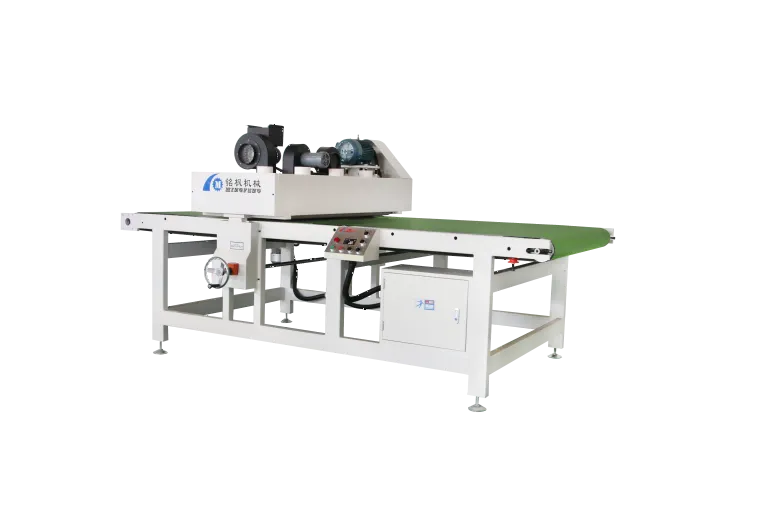
Different types of dust collectors may be used in paint spraying production lines depending on the production environment.
1. Bag Filter Dust Collector
Bag filter dust collectors use filter bags to capture dust, offering high filtration efficiency and are therefore widely used in many paint spraying production lines.
2. Cartridge Dust Collector
Cartridge dust collectors employ a cartridge structure, providing a large filtration area, making them suitable for production environments with high dust concentrations.
3. Cyclone Dust Collector
Cyclone dust collectors separate dust using centrifugal force and are typically used for the pretreatment of larger dust particles.
Different types of dust collectors can be selected based on the actual needs of the paint spraying production line.
How do dust collectors improve the stability of a paint spraying production line?
In industrial production, equipment stability is crucial. Dust collectors can improve the stability of a paint spraying production line in several ways.
1. Reduce Equipment Contamination
If dust enters the equipment, it can affect the operation of the machinery. Dust collectors can reduce the impact of dust on the equipment.
2. Improve Air Quality
Stable air quality ensures the smooth operation of the painting process; therefore, dust collectors play a vital role in paint spraying production lines.
3. Improve Production Efficiency
A clean production environment generally leads to more stable production processes, thus improving efficiency.
What issues should be considered when installing a dust collector in a paint spraying production line?
Several factors need to be considered when configuring a dust collector in a paint spraying production line.
1. Airflow Capacity
Different production lines generate different amounts of dust, so a dust collector with an appropriate airflow capacity needs to be selected based on the actual situation.
2. Equipment Installation Location
Dust collectors typically need to be installed near dust-generating areas for timely dust collection.
3. Piping Design
Dust collection systems usually include a piping network, so a well-designed piping structure is essential.
A well-designed piping system can improve the efficiency of the dust collector in the paint spraying production line.
What is the overall significance of using a dust collector in a paint spraying production line?
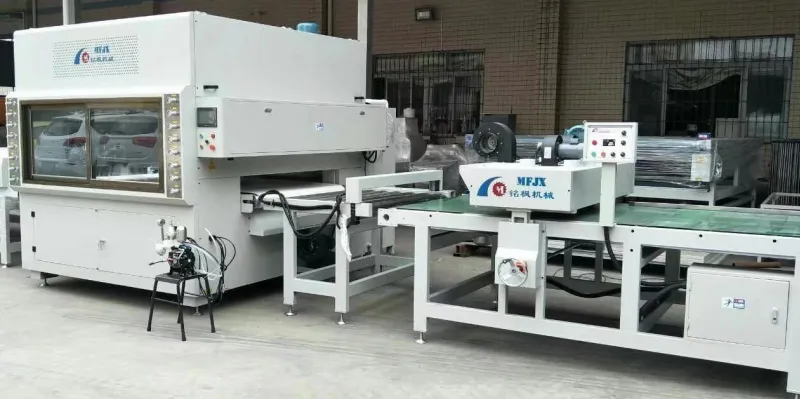
Overall, the role of a dust collector in a paint spraying production line is not only reflected in dust collection but also in production environment management and process stability.
By properly configuring dust collectors, the following effects can be achieved:
• Reduce dust in the production environment
• Improve air quality
• Enhance coating quality
• Protect production equipment
Therefore, dust collectors have become one of the essential pieces of equipment in paint spraying production lines in many industrial manufacturing enterprises.