

In the realm of modern industrial coating, spray painting production lines have become essential manufacturing equipment for furniture manufacturing, metal processing, home appliance production, and the surface treatment of various industrial products. Utilizing automated machinery, these production lines are capable of uniformly applying paint to the surface of workpieces, thereby creating a protective and decorative paint film.
However, in actual production practice, many enterprises encounter a common issue: even when utilizing highly advanced spraying equipment, if the workpiece surface has not undergone proper preparation, the resulting paint film may still suffer from quality defects such as poor adhesion, blistering, or peeling. The root cause of these problems is often directly linked to the surface treatment performed prior to painting.
Consequently, within a complete spray painting production line, a specialized equipment system—known as the "pre-treatment system"—is typically installed immediately preceding the actual spraying stage.
So, what exactly constitutes a pre-treatment system? And what specific role does it play within a spray painting production line?
This article will provide a systematic analysis of the pre-treatment system in spray painting production lines, examining it from various perspectives including its definition, operating principles, equipment components, and process workflow.
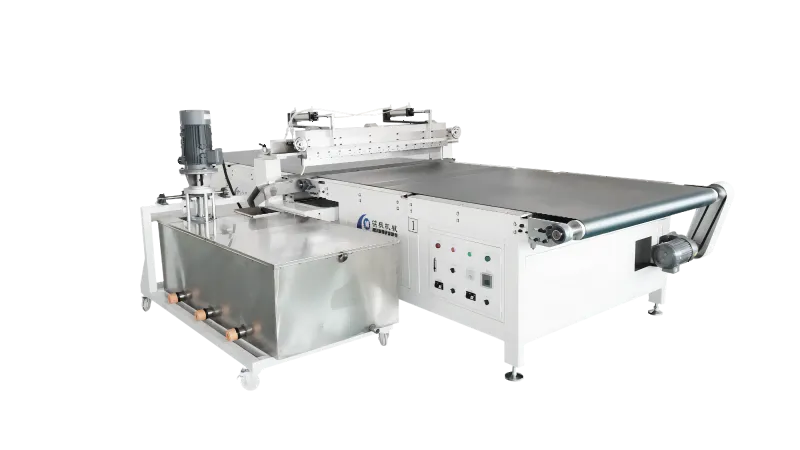
What is a Pre-treatment System?
A pre-treatment system refers to a comprehensive suite of equipment designed to clean, degrease, dust-remove, or chemically treat the surface of workpieces prior to painting. Within a spray painting production line, the pre-treatment system is typically positioned upstream of the spraying equipment; its primary objective is to optimize the condition of the workpiece surface, thereby establishing a robust foundation for the subsequent paint application to adhere to.
Simply put, the core purpose of the pre-treatment system is to:
Bring the workpiece surface to a state that is optimally suitable for painting.
If the workpiece surface harbors contaminants such as dust, grease, moisture, or oxide layers, these impurities will inevitably compromise the adhesion of the paint film. Therefore, within a spray painting production line, the pre-treatment system serves as a critical link in ensuring the overall quality of the finished coating.
Why is a Pre-treatment System Indispensable in a Spray Painting Production Line?
In many industrial manufacturing processes, workpieces often undergo a series of preliminary processing stages—such as cutting, grinding, stamping, or transportation—before entering the spray painting production line. These processing operations typically leave various contaminants on the workpiece surface, such as:
•Dust particles
•Grease residues
•Metal oxide layers
•Machining debris
If these contaminants are not removed, the paint film applied subsequently may suffer from the following issues:
•Insufficient adhesion
•Paint film blistering
•Surface particulates
•Paint layer peeling
Therefore, incorporating a pre-treatment system into the paint production line effectively eliminates these impurities, thereby enhancing the quality of the paint finish.
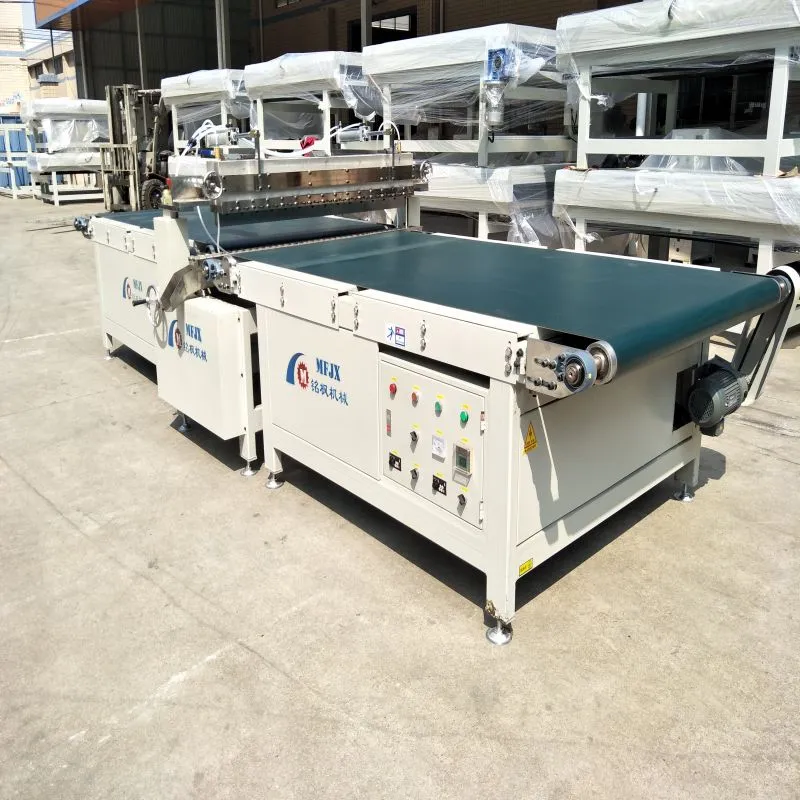
What specific issues does the pre-treatment system in a paint production line address?
Within the process workflow of a paint production line, the pre-treatment system primarily addresses various issues present on the workpiece surface.
1. Dust Removal
During the manufacturing and transportation stages, dust particles tend to accumulate on workpiece surfaces. If painting proceeds directly without cleaning, this dust becomes encapsulated within the paint film, resulting in surface particulates.
The pre-treatment system utilizes specialized dust removal equipment to eliminate this dust.
2. Oil and Grease Removal
During mechanical processing, workpiece surfaces frequently come into contact with lubricants or rust-preventive oils. These oily residues can severely compromise the adhesion of the paint film.
Through washing or chemical treatment processes, the pre-treatment system effectively removes these oil and grease contaminants.
3. Enhancing Surface Adhesion
Certain materials possess exceptionally smooth surfaces, making it difficult for paint coatings to adhere effectively. Pre-treatment processes can alter the surface structure of the workpiece, thereby improving the adhesion of the paint film.
4. Preventing Coating Defects
By thoroughly cleaning the workpiece surface, the pre-treatment system helps minimize various coating defects—such as blistering, cratering, and surface particulates—within the paint production line.
What equipment typically constitutes a pre-treatment system in a paint production line?
A complete pre-treatment system typically comprises a combination of various equipment units designed to perform specific processing functions.
In a paint production line, common pre-treatment equipment includes the following types:
1. Dust Removal Equipment
Dust removal equipment is one of the most common types of pre-treatment machinery found in paint production lines.
Its primary function is to eliminate dust and fine particles from the surface of the workpiece.
Common dust removal devices include:
•Brush-type dust removers
•Air knife dust removal systems
•Electrostatic dust removers
These devices utilize mechanical action or high-velocity airflow to dislodge and remove dust adhering to the workpiece surface, thereby reducing the occurrence of painting defects.
2. Cleaning Equipment
In some paint lines, workpiece surfaces may be contaminated with oil or grease; therefore, cleaning equipment is required.
Cleaning equipment typically utilizes water or chemical cleaning agents to clean the workpieces.
Cleaning equipment can effectively remove:
•Grease and oils
•Metal dust/powder
•Machining residues
Through this cleaning process, paint adhesion can be significantly enhanced.
3. Drying Equipment
After cleaning, moisture may remain on the workpiece surfaces; consequently, a drying process is necessary.
Drying equipment typically employs a hot air system to evaporate the moisture from the workpiece surfaces.
Within a paint line, drying equipment serves to prevent residual moisture from compromising paint adhesion.
4. Surface Activation Equipment
The surfaces of certain materials—such as plastics or composite materials—are relatively smooth, making it difficult for paint to adhere.
In such cases, the paint line may require the use of surface activation equipment.
Common methods include:
•Flame treatment
•Plasma treatment
•Corona treatment
These devices alter the surface structure of the material, thereby improving paint adhesion.
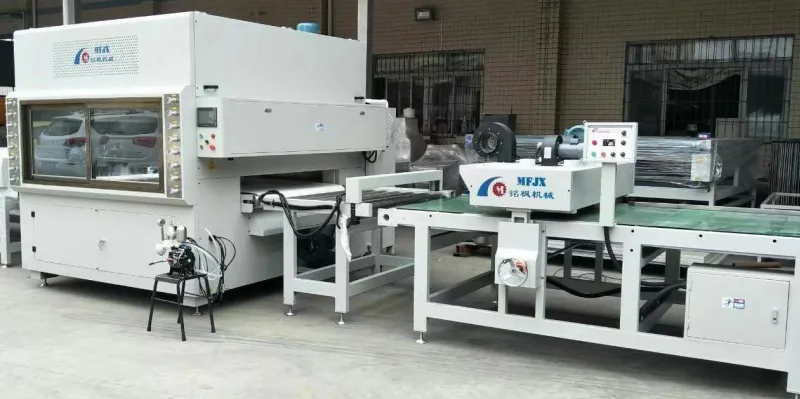
What is the process flow of the pre-treatment system within a paint line?
In a complete paint line, the pre-treatment system typically operates according to a specific sequence.
The typical workflow is as follows:
Workpiece enters the production line
→ Dust removal
→ Cleaning
→ Drying
→ Surface activation
→ Enters the painting stage
Through this series of processing steps, the workpiece surface is brought to a state suitable for painting.
How does the pre-treatment system affect the coating quality of a paint line?
The pre-treatment system is one of the critical factors determining the coating quality of a paint line.
If the pre-treatment process is inadequate—no matter how advanced the painting equipment may be—it remains difficult to achieve consistent coating quality.
The impact of the pre-treatment system on coating quality is primarily manifested in the following aspects:
1. Enhanced Paint Film Adhesion
Through cleaning and surface activation, a stronger bond is established between the paint and the workpiece surface.
2. Reduction of Surface Defects
Removing dust and oil contaminants effectively minimizes the occurrence of particles and bubbles in the paint finish.
3. Improved Coating Durability
Proper pre-treatment enhances the corrosion resistance and abrasion resistance of the paint film.
Why is the Pre-treatment System Also Crucial for the Efficiency of a Spray Painting Line?
In addition to influencing coating quality, the pre-treatment system also impacts the production efficiency of the spray painting line.
If the surface treatment of the workpieces is incomplete, rework or repainting may be required, which inevitably lowers production efficiency.
By utilizing a stable pre-treatment system, the rework rate can be minimized, thereby enabling the spray painting line to maintain continuous operation.
How Does the Pre-treatment System Integrate with Other Equipment in a Spray Painting Line?
In an automated spray painting line, the pre-treatment system typically integrates with conveying equipment, spraying equipment, and drying equipment to form a complete process workflow.
A typical equipment layout is as follows:
Conveying System
→ Pre-treatment System
→ Automated Spraying Equipment
→ Leveling Zone
→ Drying Equipment
→ Cooling System
→ Finished Product Output
Through this structure, the spray painting line can achieve stable, continuous, and automated production.
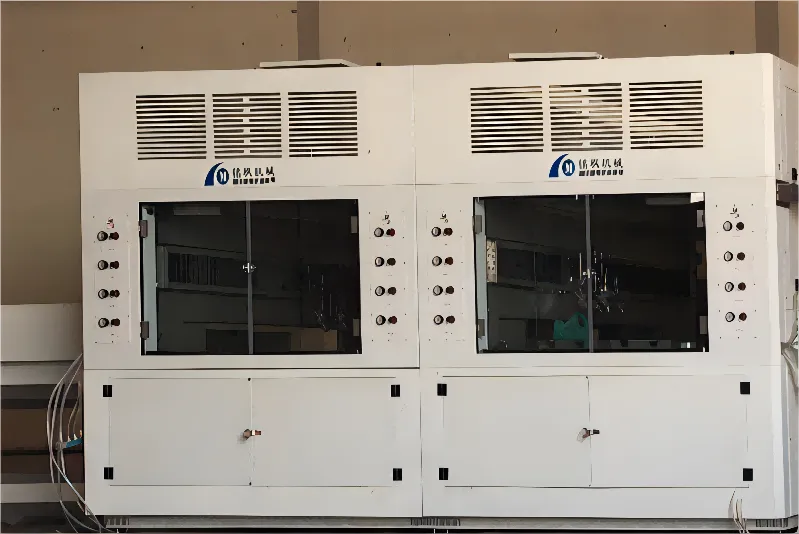
What Factors Must Be Considered When Designing a Pre-treatment System?
When designing the pre-treatment system for a spray painting line, several factors must be taken into account.
1. Workpiece Material
Different materials require different treatment methods; for instance, the treatment processes for metals and plastics differ significantly.
2. Degree of Surface Contamination
If the workpiece surfaces exhibit heavy oil contamination, more robust cleaning equipment must be specified.
3. Production Cycle Time (Throughput)
The pre-treatment equipment must be synchronized with the conveying speed of the spray painting line.
4. Spatial Layout
The arrangement of equipment must be logical and efficient to ensure the smooth operation of the entire production line.