
In modern manufacturing, product surface treatment technology plays a crucial role in determining product quality, durability, and aesthetic appeal. Whether for automobiles, home appliances, metal furniture, or heavy machinery and construction materials, surface coating processes are essential for enhancing corrosion resistance and decorative effects.
In this process, coating equipment plays a pivotal role; it is typically utilized in conjunction with complete coating production lines to facilitate highly efficient and standardized industrial manufacturing.
So, what exactly constitutes coating equipment? What types does it encompass? What role does it play within a complete coating production line? And how do the various pieces of equipment work together synergistically?
From a professional perspective, this article will systematically analyze the concept, structural components, process workflows, and industrial significance of coating equipment. Its aim is to help readers gain a comprehensive understanding of coating equipment and its relationship with the broader coating production line.
What is Coating Equipment?
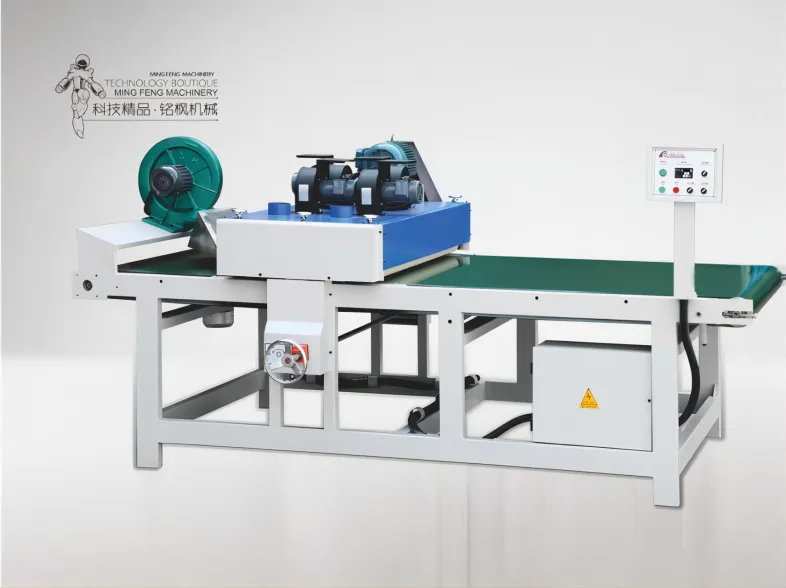
Coating equipment refers to a category of industrial machinery designed to apply coating materials to the surface of workpieces, thereby forming a protective or decorative layer. Its primary function is to uniformly adhere coating materials to the workpiece surface—typically through methods such as spraying, dipping, roller coating, or electrocoating—and subsequently form a stable coating through drying or curing processes.
In modern industrial manufacturing, coating equipment is rarely used in isolation; instead, it is integrated into a complete coating production line as a component of a holistic system. By combining various types of equipment in accordance with a specific process sequence, manufacturers can achieve continuous and automated surface coating operations.
Generally speaking, a complete coating production line comprises several different types of coating equipment, including:
•Pre-treatment equipment
•Coating application equipment (spraying equipment)
•Conveying systems
•Drying or curing equipment
•Recovery and filtration equipment
•Control systems
These units are arranged according to a fixed process workflow and interconnected via automated conveying systems, thereby establishing a highly efficient industrial production model. Consequently, from a practical application standpoint, coating equipment serves as the fundamental building block of a coating production line, while the coating production line itself represents the systematic integration of these individual equipment units.
What Role Does Coating Equipment Play in a Coating Production Line?
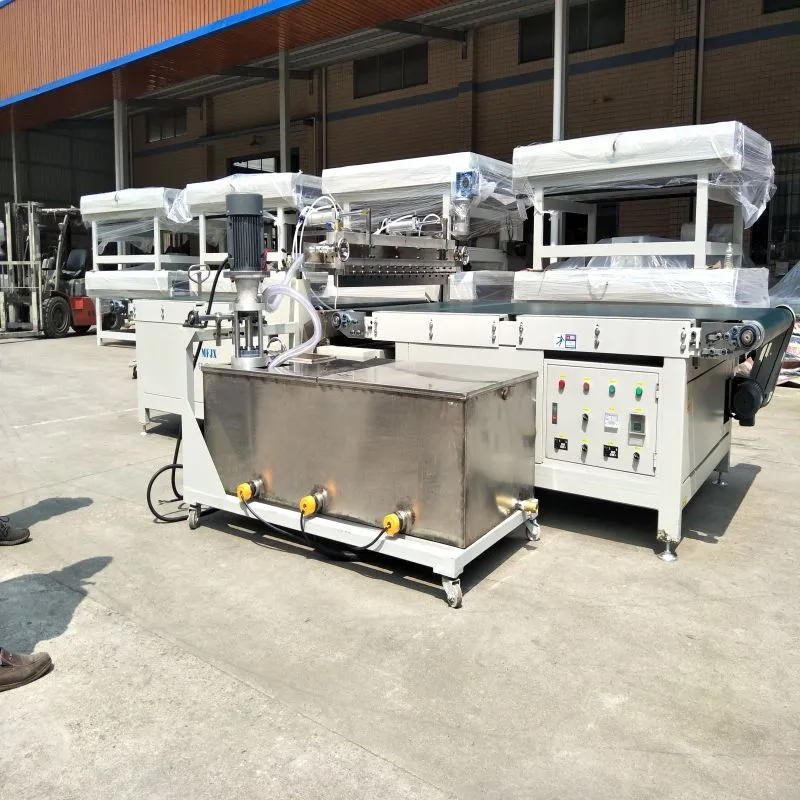
In industrial manufacturing, a coating production line typically consists of multiple distinct process stages, each of which requires specific coating equipment to execute its designated tasks. The primary functions of coating equipment within a coating production line encompass the following key aspects:
1. Facilitating Surface Treatment
Prior to spraying, the surface of a workpiece typically requires cleaning and chemical treatment. Pre-treatment equipment is designed to remove oil stains, oxide layers, and impurities, thereby enhancing coating adhesion.
Without appropriate coating equipment, the quality of surface treatment—and consequently the entire coating production line—would be difficult to guarantee.
2. Executing Paint Application
Spraying equipment constitutes the core component of any coating system; its primary objective is to apply paint uniformly onto the workpiece surface.
In modern coating production lines, spraying equipment typically comprises automated spray gun systems alongside manual touch-up stations, ensuring that even workpieces with complex geometries receive a uniform coating.
3. Achieving Coating Curing
Once the paint application is complete, the coating must undergo a curing process—typically facilitated by heating or drying equipment—to solidify.
Curing equipment represents a critical stage within the coating production line, as it ultimately determines the final performance characteristics of the coating, such as its hardness, adhesion strength, and corrosion resistance.
4. Ensuring Production Continuity
Coating equipment units are interconnected via conveyor systems, enabling workpieces to move automatically between different process stages and thereby establishing a continuous production workflow.
Consequently, coating equipment serves not merely to execute isolated process functions, but collectively supports the stable and efficient operation of the entire coating production line.
What Key Equipment Constitutes a Complete Coating Production Line?
In industrial settings, a standard coating production line typically comprises a diverse array of coating equipment units. These various units are integrated in accordance with the specific process workflow to form a comprehensive coating system.
Listed below are several common categories of key equipment:
1. Pre-treatment Equipment
Pre-treatment equipment marks the initial stage of the coating production line; its primary function is to clean and chemically treat the surface of the workpiece.
Common pre-treatment processes include:
•Degreasing
•Rinsing (Water Washing)
•Acid Pickling
•Phosphating
•Passivation
These treatment steps effectively remove oil stains, dust, and oxide layers, thereby creating optimal surface conditions for the subsequent paint application.
In many large-scale coating production lines, pre-treatment equipment typically employs a multi-tank spray-type configuration, utilizing automated spraying mechanisms to execute the various chemical treatment stages.
2. Spraying Equipment
Spraying equipment constitutes the core component of coating machinery and represents one of the most critical links within a coating production line.
Spraying equipment primarily includes:
•Automatic spray gun systems
•Manual spray guns
•Spraying robots
•Spray booths
Automatic spraying equipment is typically installed within an enclosed spray booth, where a control system is utilized to precisely regulate spraying parameters—such as spray pressure, paint flow rate, and spray angle.
In modern coating production lines, automatic spraying systems can significantly boost production efficiency while minimizing manual labor.
3. Spray Booth Equipment
A spray booth is an enclosed space dedicated to performing spraying operations; its primary functions include:
•Controlling the spraying environment
•Preventing paint dispersion
•Collecting excess paint
Spray booths are typically equipped with air filtration systems to ensure the cleanliness of the coating environment.
In large-scale coating production lines, spray booths are also fitted with exhaust gas treatment systems to ensure a safe production environment.
4. Paint Recovery Equipment
During the spraying process, not all paint adheres to the surface of the workpiece; therefore, a recovery system is required to collect and process the excess paint.
Common recovery equipment includes:
•Cyclone separators
•Filtration units
•Paint circulation systems
Recovery systems enhance paint utilization efficiency, thereby reducing production costs.
In highly automated coating production lines, recovery systems typically operate in close coordination with the spraying equipment.
5. Drying and Curing Equipment
Once the paint application is complete, heating equipment is required to cure the coating layer.
Common equipment includes:
•Hot-air circulation ovens
•Electrically heated curing ovens
•Gas-fired heating ovens
These devices facilitate chemical reactions within the paint at specific temperatures, thereby forming a durable and robust coating.
In a complete coating production line, drying and curing equipment is typically positioned immediately following the spraying stage.
6. Conveying Systems
The conveying system serves as the critical link connecting the entire coating production line; it is responsible for transporting workpieces from one processing stage to the next. Common conveying methods include:
•Overhead conveyor chains
•Floor-mounted conveying systems
•Automated transfer devices
Through the automated control of the conveying system, a coating production line can achieve continuous production.
7. Control System
Modern coating equipment is typically equipped with an automated control system designed to manage the operational status of the entire coating production line.
The control system can perform the following functions:
•Adjust spraying parameters
•Control conveying speed
•Manage oven temperatures
•Monitor equipment operational status
By utilizing an automated control system, the stability and production efficiency of the coating line can be significantly enhanced.
What is the typical process flow of a coating production line?
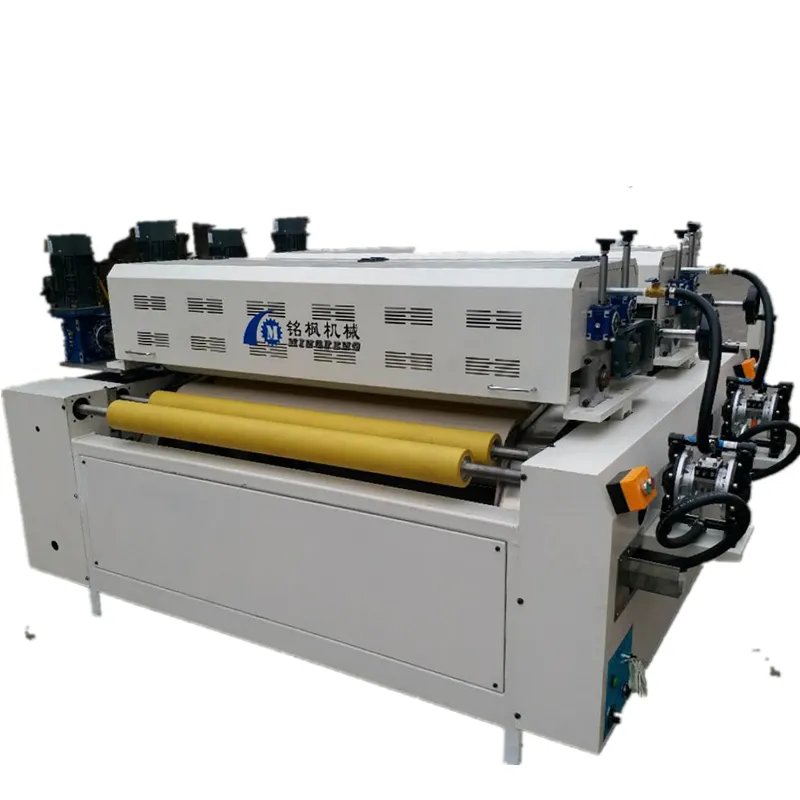
In industrial manufacturing, various pieces of coating equipment are arranged in a specific sequence to form a complete coating production line. The typical process usually comprises the following steps:
1.Workpiece loading
2.Pre-treatment cleaning
3.Chemical surface treatment
4.Rinsing
5.Drying
6.Spraying
7.Leveling/Flow-out
8.Drying or curing
9.Cooling
10.Unloading and inspection
Through this standardized process, the coating production line is able to achieve a stable and continuous production mode.
While the specific coating processes may vary for different products, the overall structural framework remains fundamentally similar.
Why is a coating production line necessary for industrial manufacturing?
As the scale of industrial production expands, relying solely on standalone coating equipment is no longer sufficient to meet the demands for high-efficiency production. Consequently, an increasing number of enterprises are adopting systematic coating production lines.
The primary reasons include:
1.Increased Production Efficiency
By utilizing automated conveying systems and automated spraying equipment, a coating production line enables continuous production, thereby significantly boosting production efficiency.
2.Improved Coating Consistency
Automated equipment allows for precise control over spraying parameters, ensuring consistent coating thickness across every product.
3.Reduced Labor Costs
In an automated coating production line, human operators are primarily responsible for monitoring equipment operation, thereby reducing overall labor requirements.
4.Enhanced Product Quality
Through a stable and controlled process flow, the coating production line guarantees the quality of the product's surface finish.
For which industrial products is coating equipment suitable?
Since coating processes enhance both the corrosion resistance and aesthetic appeal of products, coating equipment and production lines are widely utilized across a diverse range of industries. Common product applications include:
•Metal furniture
•Appliance housings
•Automotive components
•Construction materials
•Heavy machinery parts
•Hardware products
These products typically require surface protection and aesthetic finishing; therefore, they undergo coating treatment via a coating production line.
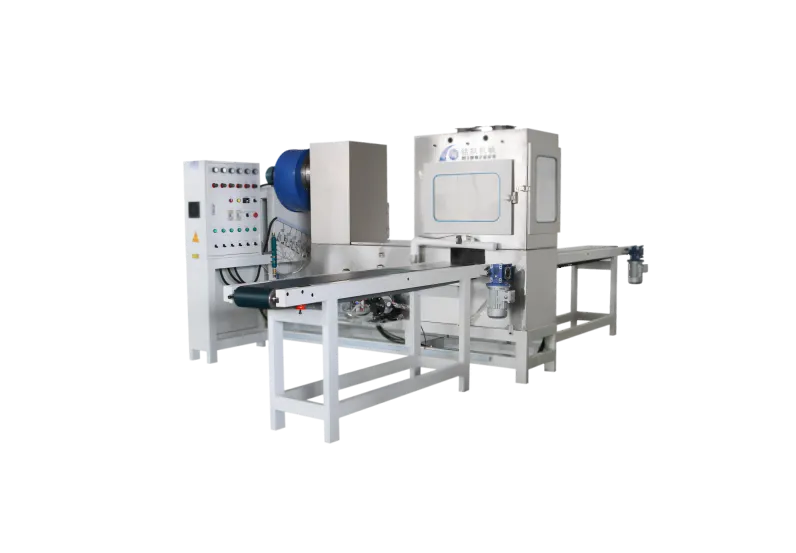
What is the relationship between coating equipment and a coating production line?
From the perspective of an industrial equipment system, coating equipment serves as a constituent unit of a coating production line.
Simply put:
•Individual pieces of equipment are responsible for specific process stages.
•Multiple pieces of equipment are combined to form a production line.
For example:
•Pre-treatment equipment
•Spraying equipment
•Curing equipment
When these pieces of equipment are interconnected via a conveying system, they constitute a complete coating production line.
Therefore, when designing a coating system, it is essential to consider both the performance of the individual equipment and the overall structure of the production line.