
In modern industrial manufacturing, the coating production line is a crucial link in ensuring the appearance quality, corrosion resistance, and service life of products.
Whether it's furniture, door panels, metal components, glass products, or plastic materials, more and more industries rely on sophisticated coating production lines to complete surface coating processing.
A complete coating production line is not simply a combination of painting equipment, but a systematic engineering project composed of multiple process steps and specialized equipment. From pretreatment, spraying, drying and curing to conveying systems and environmental protection equipment, each part directly affects the final coating quality and production efficiency.
So, what equipment is required for a complete coating production line? What are the functions of each type of equipment in the production process? Understanding the composition of this equipment is essential when planning or learning about coating processes.
This article will systematically analyze the main types of equipment required for a coating production line and their functions from a professional perspective.
Basic Components of a Coating Production Line
In industrial production, a standard coating production line typically includes the following main process stages:
1. Workpiece conveying system
2. Surface pretreatment system
3. Drying and preheating equipment
4. Spraying equipment
5. Leveling zone equipment
6. Curing and drying equipment
7. Cooling system
8. Environmental protection equipment
9. Control system
These devices are combined in a specific sequence to form a continuous production process, enabling automated processing from raw materials to finished product surface treatment. Therefore, a high-efficiency coating production line is usually a comprehensive system integrating mechanical equipment, automatic control, and environmental protection technologies.
Next, we will introduce the functions and components of each type of equipment.
Why does a coating production line need a conveying system?
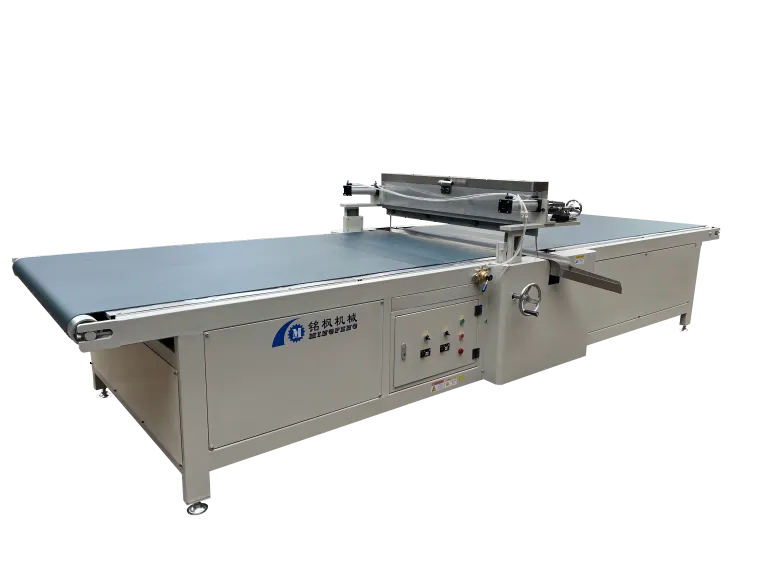
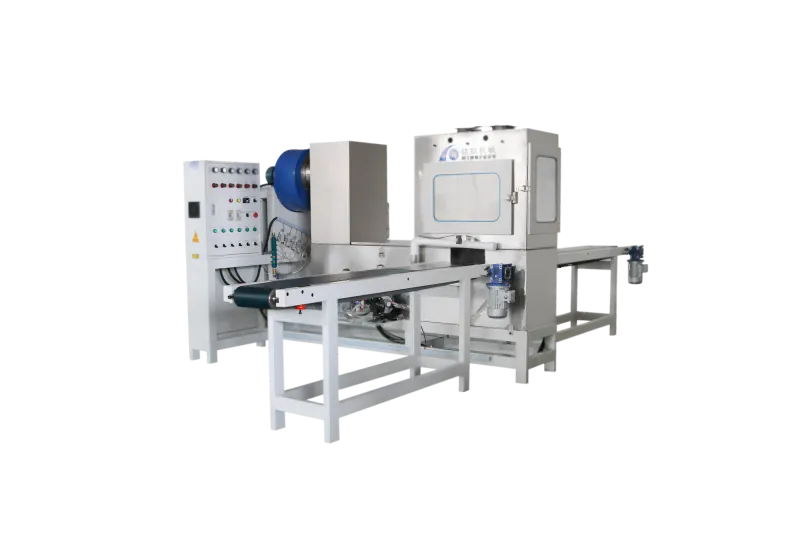
In any automated coating production line, the conveying system is one of the most basic and core pieces of equipment. Its main function is to transport workpieces to different processing stations at a fixed pace, thereby achieving continuous production.
1. Main Types of Conveying Systems
Common conveying equipment in coating production lines includes:
• Overhead conveyor chains
• Ground conveyor chains
• Roller conveyors
• Mesh belt conveyors
• Accumulating conveyor systems
Different types of conveying equipment are suitable for different workpiece structures and production needs. For example, large metal parts typically use overhead conveyor systems, while sheet metal products are more suitable for roller or mesh belt conveyors.
2. Main Functions of Conveying Systems
Conveying equipment in coating production lines performs the following functions:
• Connects various production processes
• Controls production cycle time
• Ensures stable workpiece operation
• Improves automation levels
If the conveying system is poorly designed, the efficiency and stability of the entire coating production line will be affected.
Why do coating production lines need pretreatment equipment?
Before formal spraying, most workpiece surfaces require cleaning and chemical treatment; this step is the pretreatment process.
Pretreatment equipment is a crucial part of the coating production line because it directly determines the coating adhesion and corrosion resistance.
1. Common Pretreatment Equipment
Pretreatment systems typically include the following equipment:
• Degreasing equipment
• Washing equipment
• Pickling equipment
• Conditioning equipment
• Phosphating equipment
• Pure water washing equipment
These devices are usually combined into a continuous cleaning line.
2. The Role of Pretreatment Equipment
In a coating production line, pretreatment equipment is mainly used for:
• Removing oil stains
• Removing oxide layers
• Improving surface activity
• Enhancing coating adhesion
• Improving corrosion resistance
If pretreatment is insufficient, even the most advanced spraying equipment will not guarantee the final coating quality.
Why is spraying equipment needed in a coating production line?
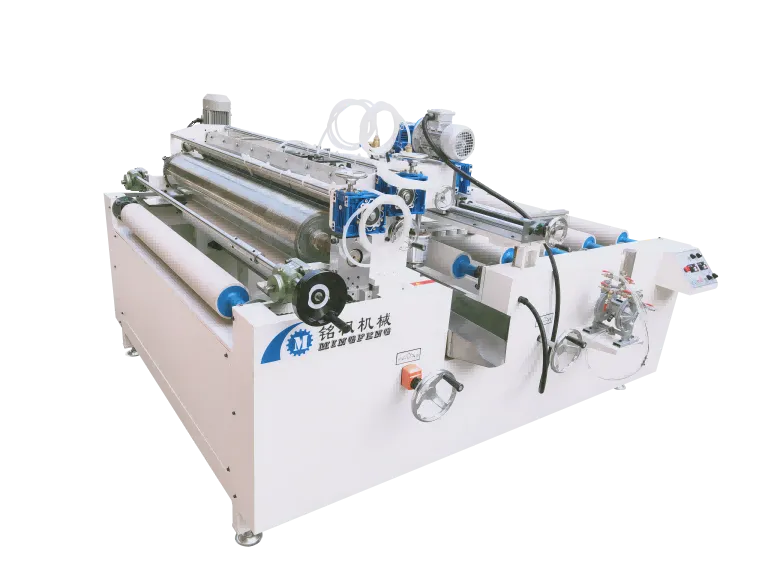
Spraying equipment is the core process equipment in a coating production line. Its main function is to evenly apply paint to the surface of the workpiece.
Different products have different requirements for coating thickness, uniformity, and appearance; therefore, there are many types of spraying equipment.
1. Common Types of Spraying Equipment
Common spraying equipment in industrial coating production lines includes:
• Automatic spray gun systems
• Electrostatic spraying equipment
• Reciprocating sprayers
• Spraying robots
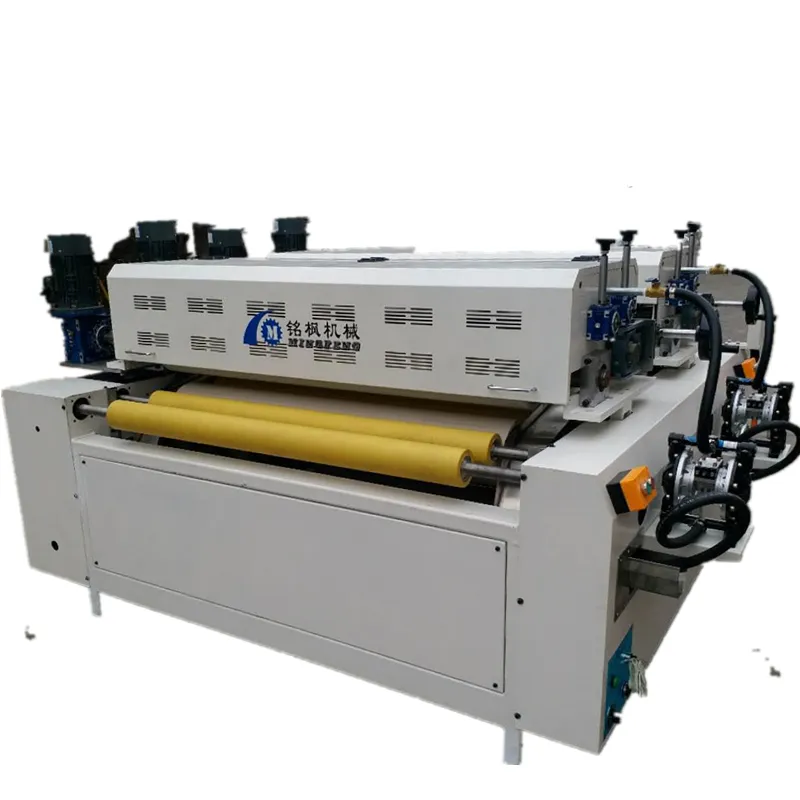
• Roller coating equipment
These equipment can be combined and configured according to production needs.
2. Spray Booth Equipment
Spraying is usually completed in a dedicated paint spraying booth or powder coating booth. Its main equipment includes:
• Spray booth body
• Air filtration system
• Paint mist treatment system
• Lighting system
• Ventilation system
The spray booth not only ensures coating quality but also reduces paint mist pollution.
In highly automated coating production lines, spraying equipment is often used in conjunction with automatic control systems to achieve stable coating quality.
Why do coating production lines need leveling zone equipment?
After spraying, the paint surface needs a certain amount of time to allow for natural flow and surface tension adjustment; this stage is called the leveling process.
Therefore, many coating production lines are equipped with dedicated leveling zone equipment.
1. The Role of Leveling Zone Equipment
The main functions of leveling equipment include:
• Eliminating spray texture
• Improving surface smoothness
• Reducing air bubbles
• Enhancing coating appearance quality
Without this step, defects such as orange peel and sagging are prone to appear on the coating surface.
2. Common Configurations of Leveling Zones
Leveling zone equipment generally includes:
• Constant temperature tunnel
• Conveying device
• Air circulation system
These devices ensure that the coating completes leveling in a stable environment.
Why do coating production lines need drying and curing equipment?
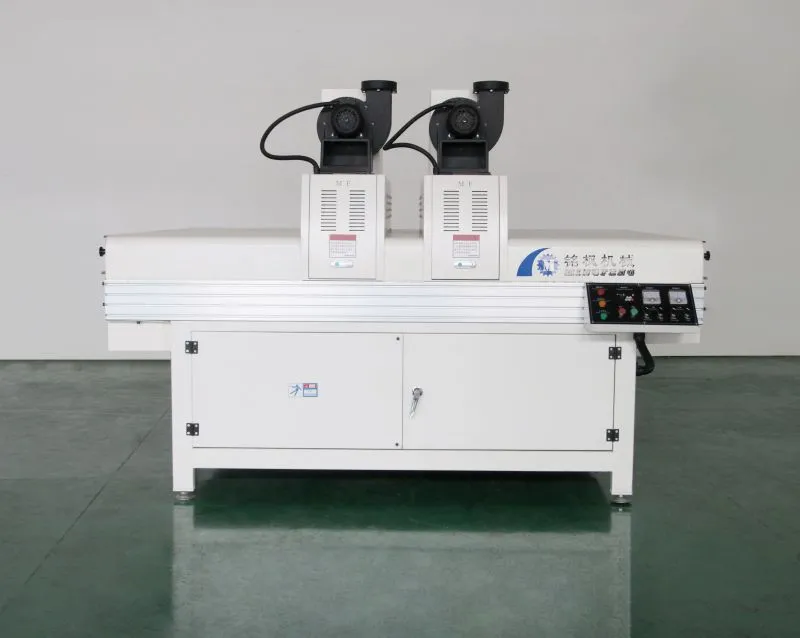
After spraying, the paint needs to be cured by heating or natural reaction. Therefore, coating production lines must be equipped with drying and curing equipment.
1. Common Types of Curing Equipment
In industrial production, common curing equipment includes:
• Hot air circulating drying tunnel
• Electric heating oven
• Gas heating drying tunnel
• Infrared curing equipment
• UV curing equipment
Different paints require different curing methods; therefore, coating production lines need to select appropriate equipment based on the process.
2. Main Functions of Curing Equipment
The functions of curing equipment in a coating production line include:
• Accelerating paint curing
• Increasing coating hardness
• Enhancing adhesion
• Ensuring coating abrasion resistance
Without stable curing equipment, coating performance will be difficult to meet industry standards.
Why Does a Coating Production Line Need Cooling Equipment?
After high-temperature curing, workpieces usually need to be cooled before further processing or packaging. Therefore, many coating production lines have cooling zones.
Common Forms of Cooling Systems
Cooling equipment typically includes:
• Forced air cooling systems
• Natural cooling channels
• Cooling conveyor systems
These devices effectively reduce workpiece temperature, making them suitable for subsequent handling or assembly.
Why Does a Coating Production Line Need Environmental Protection Equipment?
During the spraying process, paint mist, exhaust gas, and dust may be generated; therefore, environmental protection equipment is also an important component of the coating production line.
1. Paint Mist Treatment Equipment
Common equipment includes:
• Water curtain spray booths
• Dry filtration equipment
• Paint mist separation systems
These devices are used to capture paint mist particles generated during the spraying process.
2. Waste Gas Treatment Equipment
Waste gas treatment systems typically include:
• Activated carbon adsorption equipment
• Catalytic combustion equipment
• RTO (Reduced Toll Collection) equipment
These devices effectively reduce VOC emissions.
In modern industry, environmental protection equipment has become an indispensable part of coating production lines.
Why do coating production lines need automatic control systems?
With the increasing level of automation, more and more coating production lines are adopting intelligent control systems.
Main Components of Control Systems
Automatic control systems typically include:
• PLC control system
• Touchscreen user interface
• Sensor system
• Production monitoring system
These devices enable automatic adjustment of production parameters.
Main Advantages of Control Systems
Automatic control systems can help coating production lines achieve:
• Precise control of production cycle time
• Stable coating quality
• Reduced manual operation
• Increased production efficiency
Therefore, control systems have become an indispensable component in modern industrial equipment.
What factors need to be considered when configuring coating production line equipment?
When planning equipment for a coating production line, the following factors typically need to be considered:
1. Workpiece size and weight
2. Paint type
3. Production cycle time
4. Level of automation
5. Environmental requirements
6. Factory layout
Different product types require different equipment combinations; therefore, proper equipment configuration is crucial for ensuring the efficiency of the coating production line.