

Curtain coating is a highly efficient method used in automated surface treatment lines for coating products such as wooden doors, furniture panels, decorative boards, glass, metal sheets, and composite materials. The equipment creates a stable, continuous curtain of liquid coating, allowing workpieces to be coated evenly as they pass through it, thereby achieving efficient, large-area surface coverage.
However, during actual production, improper equipment adjustment, changes in coating properties, or inadequate maintenance can lead to various process faults. These issues can compromise the visual quality of the coating, reduce production efficiency, and even result in material waste.
Therefore, before analyzing specific problems, it is necessary to categorize the common faults encountered in curtain coating production lines. In industrial production, these faults generally fall into the following categories:
Common faults in curtain coating include:
1.Unstable or broken liquid curtain
2.Uneven coating thickness
3.Coating sagging or running
4.Air bubbles in the coating
5.Pinholes or fish-eyes (craters) in the coating
6.Particles or impurities on the coating surface
7.Coating waste or low recovery efficiency
8."Orange peel" effect on the coating surface
9.Poor coating quality at workpiece edges
10.Malfunctions in the coating circulation system
These issues can occur across various types of curtain coating lines. The following section provides a systematic analysis of these common faults to help better understand the problems that may arise during the operation of curtain coating equipment.
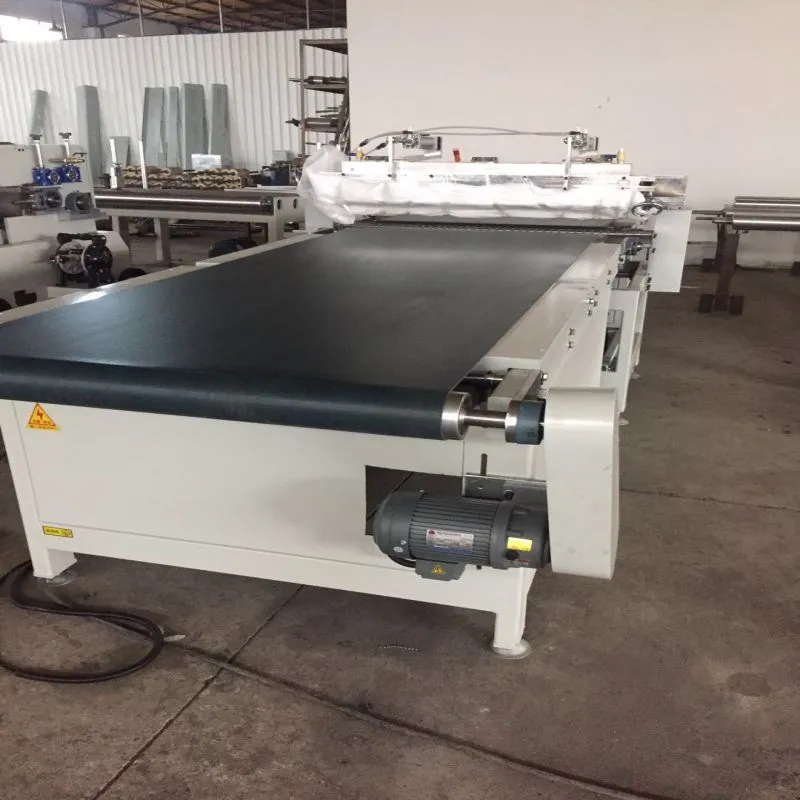
Why does the liquid curtain become unstable in curtain coating lines?
In curtain coating lines, the stability of the liquid curtain is fundamental to ensuring coating quality. If a stable, continuous curtain of coating cannot be formed, the uniformity of the coating will be directly affected.
1. Common manifestations of liquid curtain instability
Liquid curtain instability typically manifests as:
•Curtain breakage
•Curtain fluctuation or oscillation
•Variations in curtain thickness
•Gaps or voids in the curtain
When a workpiece passes through an unstable liquid curtain, uncoated areas or variations in coating thickness may occur on its surface.
2. Causes of liquid curtain instability
In curtain coating production lines, liquid curtain instability is typically associated with the following factors:
•Fluctuations in coating viscosity
•Unstable control of coating flow rate
•Improper adjustment of the curtain-forming device
•Malfunctions in the coating circulation system
•Mismatch between conveyor speed and coating flow rate
Maintaining stable coating conditions and equipment parameters is crucial for ensuring the stability of the liquid curtain.
Why does uneven coating thickness occur in curtain coating lines?
Uneven coating thickness is a common issue in curtain coating lines. This problem can affect not only the product's appearance but also the performance of the coating.
1. Common manifestations of uneven coating thickness
Uneven thickness typically manifests as:
•Excessive coating thickness in certain areas
•Insufficient coating thickness in certain areas
•Inconsistent color depth or shade across the surface
2. Causes of uneven coating thickness
Factors contributing to uneven coating thickness include:
•Unstable liquid curtain thickness
•Fluctuations in conveyor speed
•Unevenness of the workpiece surface
•Fluctuations in coating viscosity
•Unstable control of coating flow rate
In curtain coating lines, a stable conveyor speed and consistent coating flow rate are essential for ensuring uniform coating thickness.
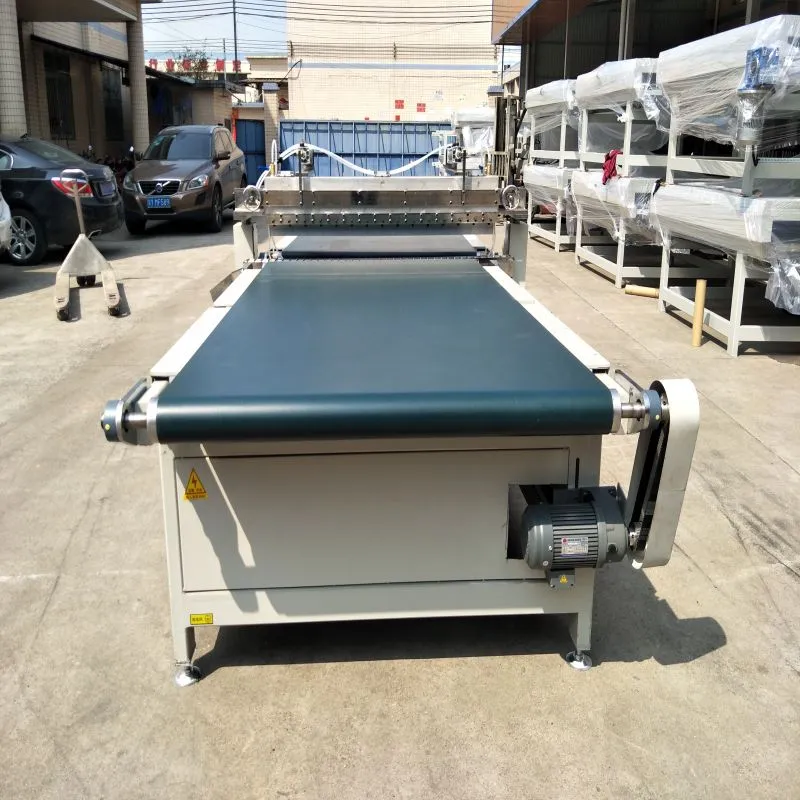
Why does sagging occur in curtain coating lines?
Sagging is a common surface defect in the coating process and can also occur in curtain coating production lines.
1. Common manifestations of sagging
Sagging typically manifests as:
•Coating running or flowing downwards
•Visible accumulation of coating material on the surface
•Excessive local coating thickness
2. Causes of sagging
Sagging issues are typically associated with the following factors:
•Coating viscosity is too low
•Coating thickness is excessive
•Conveyor speed is too slow
•Coating flow rate is too high
In curtain coating production lines, sagging issues can be effectively minimized by controlling coating parameters and conveyor speed.
Why do air bubbles occur in curtain coating lines?
Air bubbles are another common defect in curtain coating; they can affect the smoothness and visual quality of the coating.
1. Common manifestations of air bubbles
Air bubble issues typically manifest as:
•Small bubbles appearing on the surface
•Pores forming within the coating layer
•Bubble marks remaining after curing
2. Causes of air bubbles
Air bubbles are usually caused by the following factors:
•Air entrapment during the mixing of the coating material
•Excessive coating viscosity
•Insufficient coating flowability
•Contaminants on the workpiece surface
Maintaining the coating in a stable state on the curtain coating line can help reduce bubble formation.
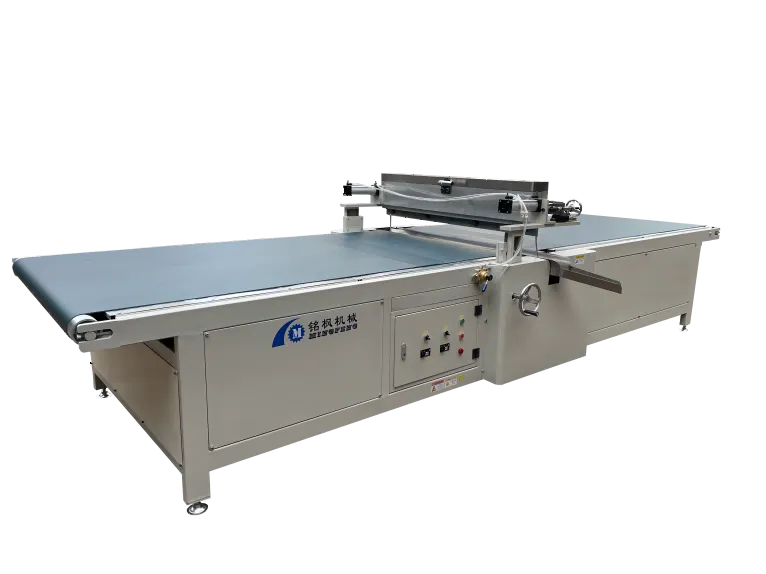
Why do pinholes or craters occur on curtain coating lines?
Pinholes and craters are also relatively common surface defects in curtain coating.
1. Common manifestations of pinholes or craters
These issues typically manifest as:
•Tiny holes appearing on the surface
•Localized depressions in the coating
•Ruptures in the surface coating
2. Causes of pinholes or craters
On curtain coating production lines, pinholes or craters may be caused by the following factors:
•Oil or grease on the workpiece surface
•Insufficient coating leveling properties
•Impurities in the ambient air
•Unstable coating mixing ratios
Therefore, maintaining workpiece cleanliness and environmental stability during production is crucial.
Why do surface particle issues occur on curtain coating lines?
Particle issues affect the smoothness of the coating surface, degrading the product's visual quality.
1. Common manifestations of surface particles
Typically manifested as:
•Tiny protrusions on the surface
•Increased surface roughness
•Reduced coating gloss
2. Causes of particle defects
On curtain coating production lines, particle issues are usually associated with the following factors:
•Excessive dust in the environment
•Inadequate coating filtration
•Prolonged coating storage time
•Presence of solid impurities in the coating
Maintaining a clean production environment helps reduce particle issues.
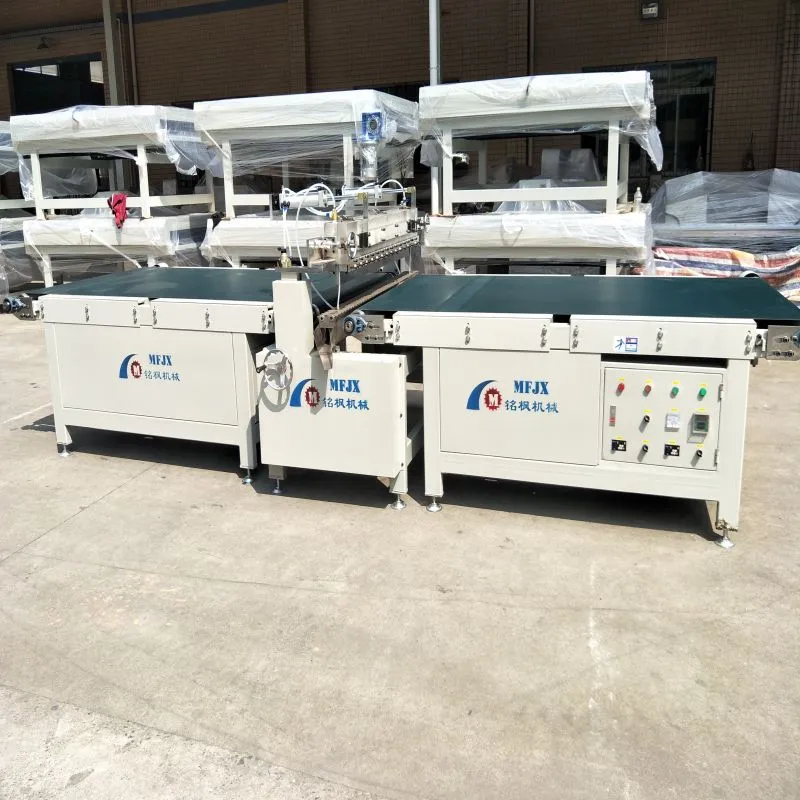
Why does the "orange peel" phenomenon occur on curtain coating lines?
The orange peel phenomenon refers to the appearance of a texture resembling orange skin on the coating surface; this is a relatively common issue in coating processes.
1. Common manifestations of the "orange peel" phenomenon
Orange peel defects typically manifest as:
•Irregular surface texture
•Reduced coating smoothness
•Lowered surface gloss
2. Causes of the "orange peel" phenomenon
In curtain coating lines, the orange peel phenomenon is often associated with the following factors:
•Inappropriate coating viscosity
•Insufficient coating leveling time
•Excessively fast coating drying speed
•Excessive coating thickness
Proper control of coating properties can improve surface quality.
Why do edge coating defects occur in curtain coating lines?
During the curtain coating process, issues with insufficient coating coverage can sometimes occur at the edges of the workpiece.
1. Common manifestations of edge coating defects
Edge-related issues typically include:
•Excessively thin edge coating
•Missed coating at the edges
•Color variation at the edges
2. Causes of edge coating defects
In curtain coating production lines, edge coating issues may be caused by the following factors:
•Insufficient liquid curtain width
•Misalignment of the workpiece
•Instability in the conveyor system
Adjusting equipment parameters can help reduce edge coating issues.
Why does low coating recovery efficiency occur in curtain coating lines?
During the curtain coating process, some coating flows back from the workpiece surface into the recovery system. If the recovery system's efficiency is low, material waste increases.
1. Common manifestations of low coating recovery efficiency
Low recovery efficiency typically manifests as:
•Increased coating loss
•Clogging of the recovery system
•Unstable coating circulation
2. Causes of low coating recovery efficiency
In curtain coating production lines, issues with the recovery system are often associated with the following factors:
•Poor design of the recovery tank
•Clogging of the coating filtration system
•Abnormal operation of the circulation pump
A stable recovery system is crucial for improving production efficiency.