

In the spray painting process, dust, particulate matter, and fine particles in the air often have a significant impact on coating quality. If these particles adhere to the product surface, they can lead to paint particles, surface bumps, or coating defects.
Therefore, in many industrial coating workshops, companies not only install dust cleaner machines in the production environment but also incorporate multiple dust removal processes at different stages to ensure air cleanliness during the spray painting process. Multiple dust removal processes effectively reduce airborne dust particles, thereby improving the overall coating quality of the spray painting production line.
So, why are multiple dust removal processes necessary on a spray painting production line? What role does a dust cleaner machine play in the spray painting process? What problems can multiple dust removal processes solve?
This article will systematically analyze these questions to help readers deeply understand the importance of multiple dust removal processes in spray painting production.
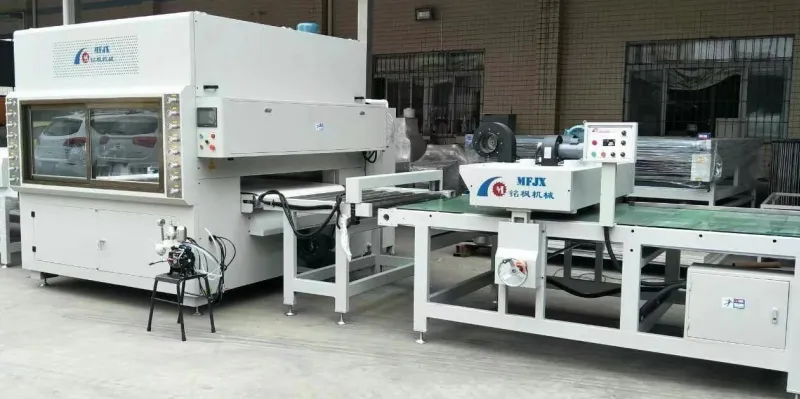
What is a spray painting production line?
A spray painting production line is an automated production system used for coating the surfaces of industrial products. It atomizes paint using spray guns or spraying equipment and sprays it evenly onto the product surface to form a protective or decorative layer.
A complete painting production line typically includes the following main parts:
• Pre-treatment process
• Surface cleaning process
• Dust removal process
• Spraying process
• Drying or curing process
• Cooling process
Among these steps, dust removal is crucial for ensuring painting quality. Many companies install dust cleaner machines at multiple workstations to ensure product surfaces remain clean.
Why do painting production lines have high requirements for air cleanliness?
During the spraying process, paint typically adheres to the product surface in an atomized state. If dust or other particles are present in the air, these particles may adhere to the product surface, affecting coating quality.
In a painting production line, a high level of particulate matter in the air can lead to the following problems:
• Paint particles appearing on the surface
• Uneven coating
• Bumps on the surface
• Affected product appearance quality
Therefore, to reduce these problems, many painting workshops use dust cleaner machines to treat the air during production.
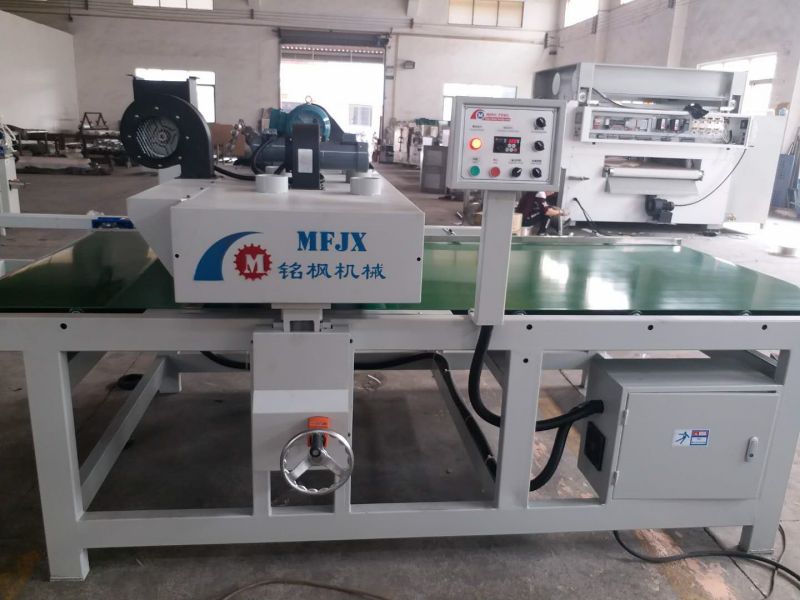
Why do painting production lines require multiple dust removal processes?
In some industrial coating workshops, a single dust removal process is often insufficient to completely eliminate airborne dust. Therefore, many companies perform multiple dust removal processes at different stages of their painting production lines.
There are several main reasons for this multiple dust removal process.
Why is dust removal necessary before products enter the painting production line?
Before products enter the painting production line, their surfaces may already be covered with dust. For example:
• Dust generated during transportation
• Dust from the workshop environment
• Particles remaining from the processing
If these particles are not cleaned properly, they may be coated with paint during the painting process, resulting in noticeable particle defects.
Therefore, many companies use dust cleaner machines to perform preliminary cleaning of the product surface before painting to reduce dust entering the painting area.
Why is a second dust removal process required before painting on the production line?
Even if the product has been cleaned before entering the painting production line, dust may still re-adhere during transportation. Therefore, many production lines perform a second dust removal process before the actual painting process.
At this stage, dust cleaner machines typically work in conjunction with the following methods:
• Air knife dust removal
• Electrostatic dust removal
• Adsorption dust removal
These methods further remove fine particles from the product surface, ensuring coating quality.
Why are dust cleaner machines needed in paint production line environments?
Besides the product surface, the air environment also affects coating quality.
During the painting process, if there is a large amount of dust in the air, these particles may settle on the undried coating surface. Therefore, dust cleaner machines are installed in the workshop environment of many paint production lines.
Through air filtration and circulation systems, dust cleaner machines continuously reduce airborne dust particles, maintaining a clean environment in the painting area.
Why are dust removal needed in intermediate processes of the paint production line?
In some production processes, products may need to undergo multiple processes before painting. For example:
• Sanding
• Surface treatment
• Cleaning
• Drying
These processes may generate dust or particles again. Therefore, setting up dust removal links between these processes can reduce dust entering the next process.
In these stages, dust cleaner machines help remove dust generated during the production process, thus maintaining the overall cleanliness of the paint spraying production line.
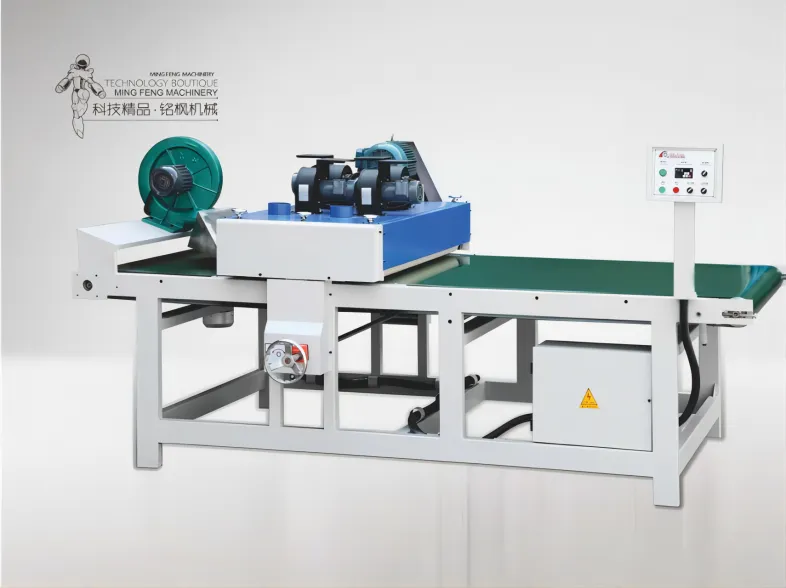
What problems can multiple dust removal processes in a paint spraying production line reduce?
In industrial coating processes, multiple dust removal processes can effectively reduce various painting defects.
1. Reduce Paint Particles
Airborne dust, if it settles on the product surface, can form paint particles. By using a dust cleaner machine multiple times, the number of airborne particles can be reduced.
2. Improve Surface Smoothness
When the product surface is dust-free, the coating is more likely to form a uniform surface, thus improving the painting quality.
3. Improve Painting Stability
In a stable air environment, the paint spraying production line is more likely to maintain a consistent painting effect.
What role does a dust cleaner machine play in a paint spraying production line?
In a paint spraying production line, a dust cleaner machine is used not only for product dust removal but also for air filtration.
Its main functions include:
• Removing airborne dust particles
• Maintaining clean air in the spraying area
• Reducing dust entry into the spraying area
• Improving the production environment
Through these functions, the dust cleaner machine helps the spraying system maintain stable operation.
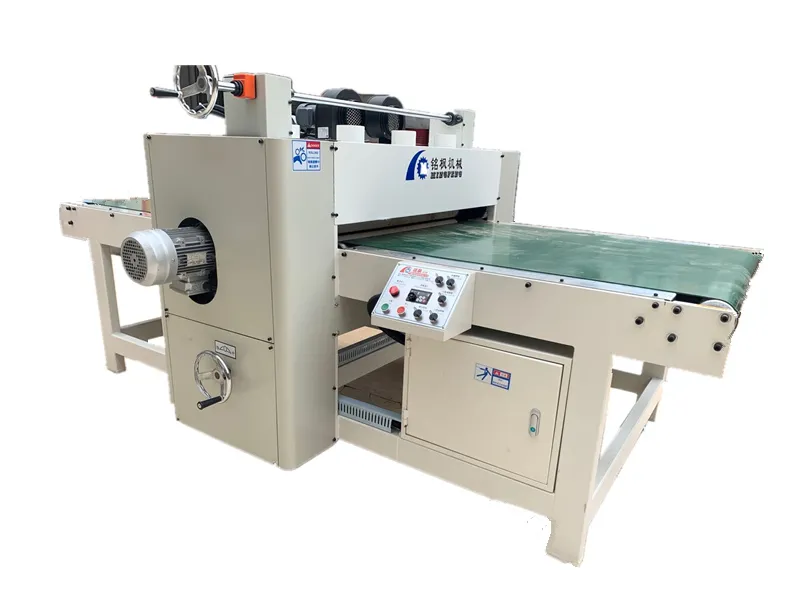
How to establish an effective dust removal process in a paint production line?
To ensure spraying quality, many companies establish standardized dust removal processes in their paint production lines.
Common processes include:
1. Preliminary dust removal before products enter the production line
2. Secondary dust removal before spraying
3. Installing an air dust collection system in the spraying area
4. Localized dust removal during intermediate processes
This multi-layered dust removal method reduces dust entry into the spraying area.
What core products does XMF Machinery supply for surface finishing lines?
XMF Machinery is a professional manufacturer and supplier focusing on complete surface finishing equipment for industrial production. Our core products include roller coating machines for uniform paint application, automatic spraying machines for efficient surface coverage, curtain coating machines for high-output coating processes, and UV dryer machines for fast and stable curing.
In addition, we supply sanding machines, dust cleaner machines, putty primer machines, printing machines, and embossing machines to support full production lines. Customers can buy single machines or purchase integrated systems directly from our factory.