

Production Line Dust Removal Machines Vs. Industrial Dust Collectors: What’s the Difference?
In industrial manufacturing environments, dust control is a critical component in ensuring the stability of the production environment and the proper functioning of equipment. Many production processes—such as grinding, cutting, sanding, painting, and material processing—can generate substantial amounts of dust.
If this dust is not addressed in a timely manner, it can negatively impact the production environment, equipment operation, and product quality. Consequently, many factories install specialized dust control equipment.
In practical applications, one frequently encounters two distinct concepts: "Production Line Dust Cleaner Machines" and "Industrial Dust Collectors." Although both types of equipment are utilized for dust collection and air purification, they differ in terms of application scope, structural design, system scale, and installation methods.
When selecting equipment, how should enterprises interpret the specific characteristics of these two types of devices? This article will systematically outline, from multiple perspectives, the distinctions and interrelationships between Production Line Dust Cleaner Machines and Industrial Dust Collectors.
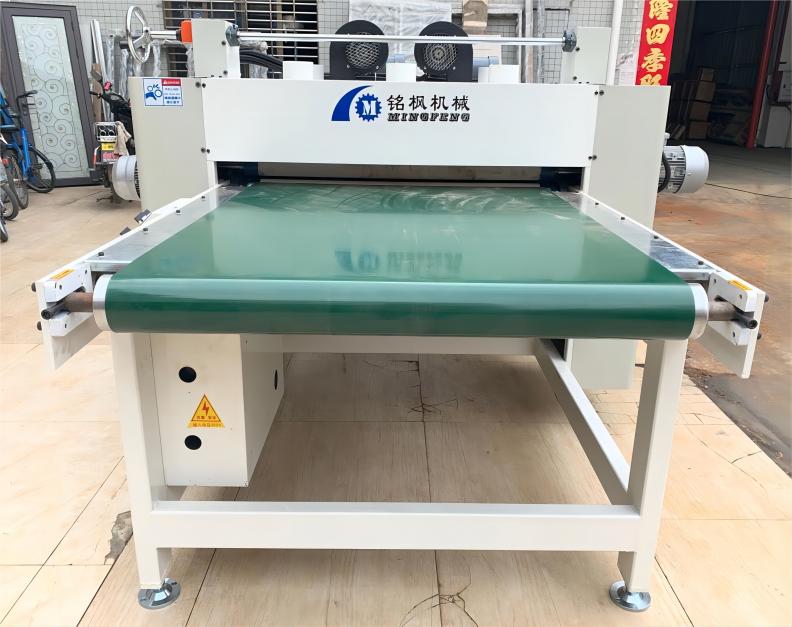
What is a Production Line Dust Cleaner Machine?
A Production Line Dust Cleaner Machine is a specialized device designed specifically for dust collection within industrial production lines. Typically installed in close proximity to production machinery, it serves to continuously capture dust generated during the manufacturing process.
In many automated production environments—such as those found in woodworking, painting, sanding, and metalworking lines—Production Line Dust Removal Machines are an integral part of the setup. These devices utilize a ductwork system to draw dust inward, where it is subsequently separated via a filtration system, thereby achieving the objective of air purification.
Key Components of a Production Line Dust Removal Machine
A complete Production Line Dust Removal Machine system typically comprises the following components:
•Dust Collection Ductwork System
•Fan/Blower System
•Filtration System
•Dust Collection Unit
•Control System
Together, these components constitute a comprehensive dust control system, enabling the Production Line Dust Removal Machine to operate continuously and stably.
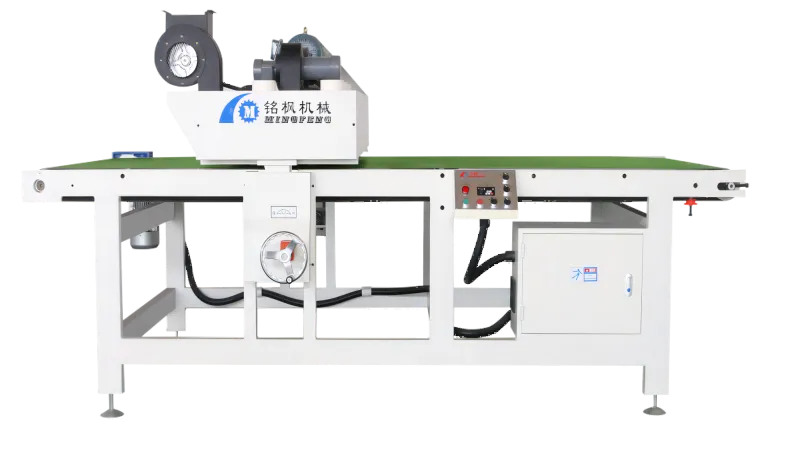
What is an Industrial Dust Collector?
An Industrial Dust Collector is a device utilized for dust collection within industrial settings. Its primary function is to capture dust generated during production processes and to purify the air through a filtration system. Much like a Production Line Dust Removal Machine, an industrial dust collector utilizes a suction system to draw dust-laden air into the device, where the dust is subsequently separated using filtration media.
Industrial dust collectors typically consist of the following components:
•Fan system
•Filtration system
•Dust collection unit
•Control system
Structurally, industrial dust collectors bear certain similarities to production line dust removal machines; however, they differ in their specific modes of application.
How do the application scopes of production line dust removal machines and industrial dust collectors differ?
In industrial manufacturing settings, the application scopes of production line dust removal machines and industrial dust collectors vary.
Application Characteristics of Production Line Dust Cleaner Machines
Production line dust removal machines are typically integrated with automated production lines and are primarily designed to handle dust that is continuously generated during the manufacturing process. Examples include:
•Woodworking production lines
•Spray painting lines
•Sanding and finishing lines
•Metal processing lines
In these production environments, production line dust removal machines typically utilize a ductwork system to connect to multiple dust extraction points.
Application Characteristics of Industrial Dust Collectors
Industrial dust collectors, conversely, are more frequently employed for dust control involving individual pieces of equipment or specific localized areas. Examples include:
•Standalone sanding equipment
•Small-scale processing machinery
•Laboratory equipment
Consequently, in terms of application scope, production line dust removal machines are typically utilized for dust control at the scale of an entire production line, whereas industrial dust collectors are better suited for localized dust extraction.
How do production line dust cleaner machines and industrial dust collectors differ in terms of system scale?
System scale is one of the key factors distinguishing production line dust cleaner machines from industrial dust collectors.
System Scale of Production Line Dust Cleaner Machines
Since a production line dust cleaner machine must serve an entire production line, it typically possesses a significantly larger processing capacity. Its characteristics include:
•High airflow volume
•Complex ductwork systems
•A large number of dust extraction points
In large-scale manufacturing facilities, a single production line dust removal system may be connected to a dozen—or even several dozen—individual dust extraction points.
System Scale of Industrial Dust Collectors
In comparison, industrial dust collectors are typically smaller in scale, characterized by the following features:
•Relatively lower airflow volume
•Simpler ductwork systems
•Fewer dust collection points
Consequently, in terms of system scale, production line dust removal machines are generally more complex than industrial dust collectors.
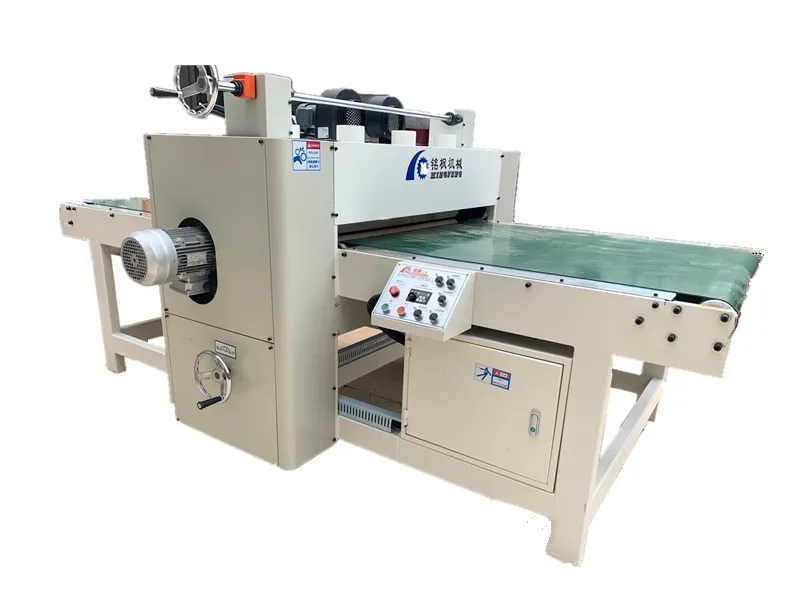
How do the installation methods of production line dust cleaner machines and industrial dust collectors differ?
The method of installation is another key factor distinguishing production line dust cleaner machines from industrial dust collectors.
Installation Methods for Production Line Dust Cleaner Machines
Production line dust removal machines typically require system integration with the entire production line. Their installation methods commonly involve:
•Centralized installation
•Connection via a network of ducts
•A design featuring multiple dust collection points
This installation approach ensures that dust generated across the entire production line is effectively captured.
Installation Methods for Industrial Dust Collectors
Industrial dust collectors typically utilize a standalone installation approach, such as:
•Installation adjacent to the equipment
•Dedicated installation for a single machine
This installation method offers greater flexibility and is well-suited for use with individual pieces of equipment.
What are the differences between the filtration systems of production line dust cleaner machines and industrial dust collectors?
The filtration system is a critical component of any dust handling equipment.
Filtration Systems for Production Line Dust Cleaner Machines
In production line dust removal machines, given the large volume of dust requiring processing, high-efficiency filtration systems are typically employed—for instance:
•Baghouse filtration systems
•Cartridge filtration systems
These systems are capable of processing large volumes of dust-laden air.
Filtration Systems for Industrial Dust Collectors
The filtration systems in industrial dust collectors are typically smaller in scale, yet they remain effective at filtering dust.
In certain smaller-scale units, industrial dust collectors may utilize a simplified filtration structure.
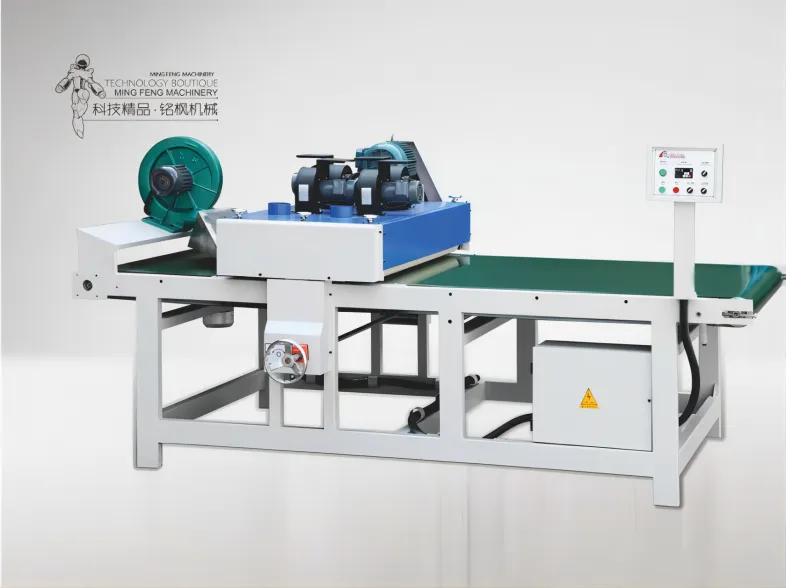
How do the maintenance procedures for production line dust removal machines and industrial dust collectors differ?
Equipment maintenance is another crucial factor that businesses must consider when selecting machinery.
Maintenance Characteristics of Production Line Dust Removal Machines
Since production line dust removal machines typically serve an entire production line, their maintenance tasks may include:
•Replacement of filter bags or cartridges
•Cleaning of ductwork
•Fan maintenance
These maintenance tasks typically require periodic execution to ensure the stable and reliable operation of the equipment.
Maintenance Characteristics of Industrial Dust Collectors
The maintenance of industrial dust collectors is typically straightforward, involving tasks such as:
•Cleaning the dust collection bin
•Replacing filters
Consequently, in terms of maintenance complexity, a Production Line Dust Removal Machine is generally more complex than a standard industrial dust collector.
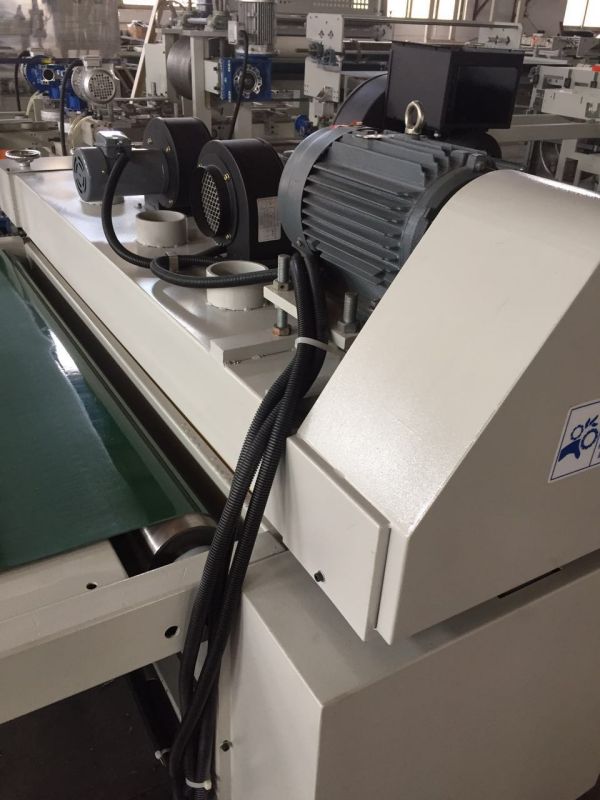
How Should Enterprises Select a Production Line Dust Cleaner Machine?
In actual production environments, enterprises must consider multiple factors when selecting a Production Line Dust Cleaner Machine:
1. Dust Generation Volume
The volume of dust generated directly impacts the equipment's processing capacity; therefore, it is essential to select a dust removal machine with an appropriate airflow rate.
2. Number of Suction Points
If there are multiple dust-generating points along the production line, a rationally designed dust extraction system is required.
3. Production Line Layout
The physical layout of the production line also influences the ductwork design and the optimal installation location for the dust removal machine.
By comprehensively evaluating these factors, enterprises can select a dust removal machine that is best suited to their specific production requirements.
What makes XMF Machinery competitive in the global market?
As a manufacturer with over a decade of experience, we understand international customer expectations and production standards. Our factory focuses on durability, efficiency, and customization. By supplying high-quality machines and comprehensive coating solutions, XMF Machinery builds long-term relationships with distributors and end users worldwide.