
In modern coating processes, curtain coating machines (also known as liquid curtain coating machines or curtain coaters) have become essential equipment in industries such as woodworking, plastic sheets, electronics, and building materials due to their high efficiency, uniformity, and continuous production capabilities.
However, when faced with complex shapes and irregularly shaped parts, many people wonder: Is a curtain coating machine suitable for coating irregularly shaped parts?
This article will systematically answer this question from multiple perspectives, including technical principles, process characteristics, equipment structure, and operational limitations. Through logical deduction, it will help you clearly understand the feasibility and limitations of using curtain coating machines for irregularly shaped parts.
What is a curtain coating machine? What is its basic principle?
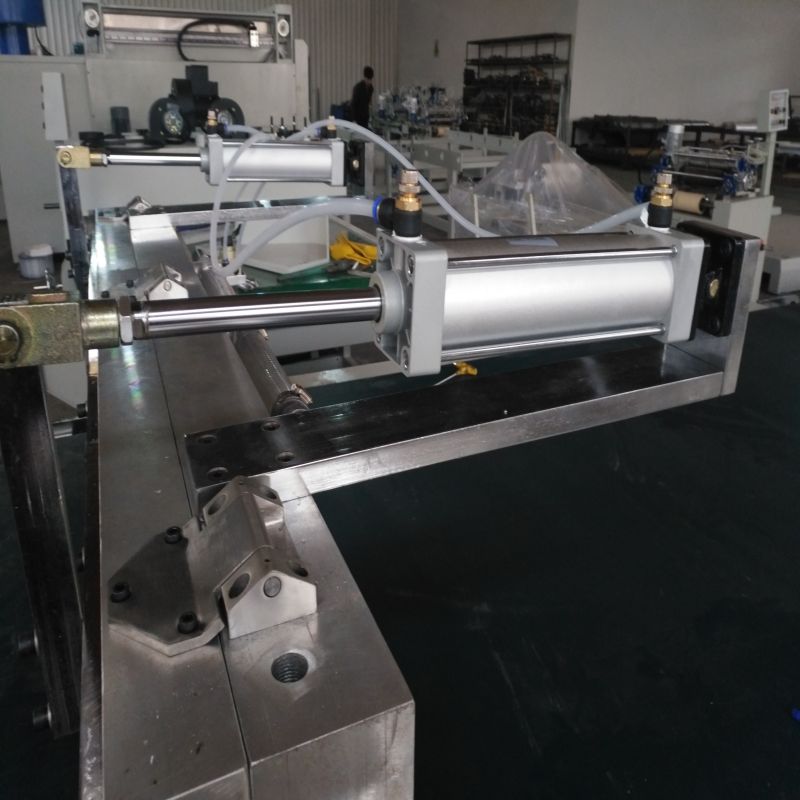
A curtain coating machine is a device that uses the principle of liquid "free fall forming a curtain flow" for coating. The coating material is evenly delivered to the overflow tank through a specific liquid supply system, forming a continuous and stable liquid "curtain." When the object to be coated (substrate) passes through the liquid curtain, the liquid evenly covers its surface, and the coating is then formed through processes such as scraping, leveling, and drying.
Its core features include:
• Non-contact coating: The coating is applied in the form of a liquid curtain, without relying on roller pressing or spraying;
• Uniform coating: Consistent thickness is ensured through gravity and hydrodynamic control;
• High efficiency: Suitable for continuous production;
• Paint saving: High recycling rate and minimal waste.
However, this principle also implies a key condition: the surface of the object to be coated should be flat, continuous, and conducive to uniform liquid flow and coverage. This is the key starting point for evaluating the adaptability of irregularly shaped parts.
What are the requirements for the shape of the workpiece in a curtain coating machine?
During the coating process, curtain coating machines have certain adaptability requirements regarding the shape of the workpiece. Because the liquid curtain is a continuous fluid falling along the direction of gravity, it requires the object to be coated to be able to stably pass through the liquid curtain area within a short time, and its surface to receive and maintain a uniform liquid coverage.
Therefore, ideal workpieces for curtain coating machines typically possess the following characteristics:
• High surface flatness: such as sheet metal, flat plastics, glass, thin metal sheets, etc.
• Regular geometry: usually rectangular, square, or continuous planar structures;
• No obvious depressions or protrusions: to prevent liquid accumulation or curtain breakage;
• Ability to pass through the liquid curtain zone at a constant speed: facilitating coating thickness control.
From these conditions, it can be seen that curtain coating machines are inherently more suitable for planar or simple geometric parts.
Irregularly shaped parts (such as curved surfaces, grooves, and complex three-dimensional parts) face significant processing challenges in such equipment.
Why are curtain coating machines less suitable for irregularly shaped parts?
1. Liquid curtain flow characteristics are affected by shape
The liquid curtain in a curtain coating machine is a continuous film formed by gravity. When the workpiece surface has curved surfaces, slopes, or depressions, the liquid flow velocity changes locally, leading to:
• Localized liquid accumulation, resulting in an excessively thick coating;
• Insufficient liquid rinsing in certain areas, resulting in exposed substrate;
• Liquid sliding down edges, creating runs or flow marks.
This imbalance between surface tension and gravity makes it difficult to achieve a consistent coating thickness for irregularly shaped parts.
2. Difficulty in Maintaining Stability for Irregularly Shaped Parts
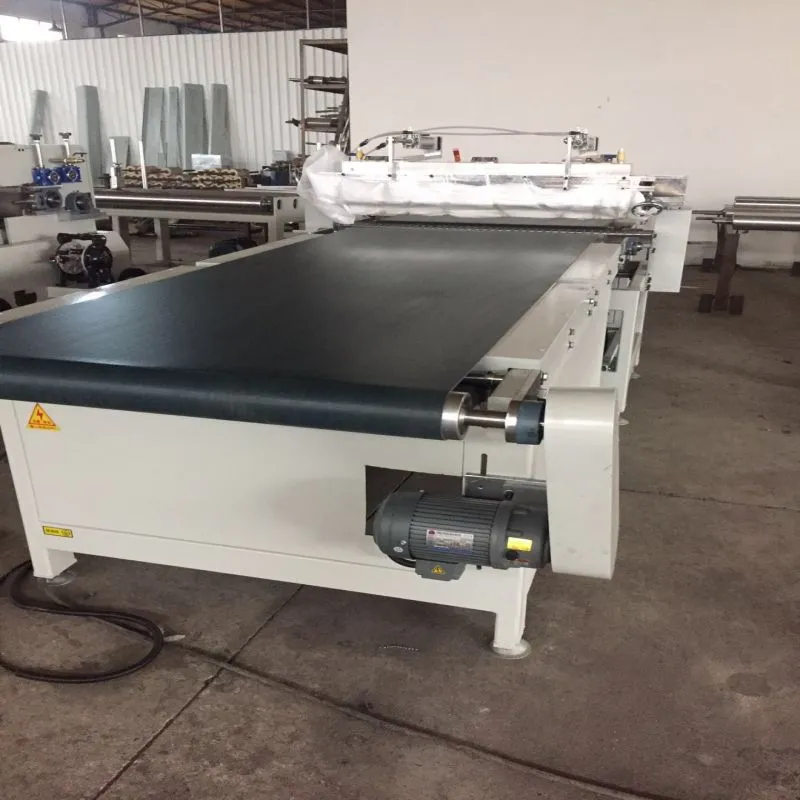
In a curtain coating machine, workpieces typically pass through a liquid curtain at a constant speed via a conveyor belt or roller system. If the workpiece surface is uneven or the center of gravity is unstable, it will lead to:
• Angle shift, affecting the liquid curtain contact angle;
• Uneven coating distribution;
• Localized air inclusions, forming bubbles or pinholes.
This directly reduces the smoothness and adhesion of the coating.
3. Difficulty in Coating Leveling
Irregularly shaped parts often have different angles and curvatures. Even if the coating is applied properly, the leveling behavior before drying will be affected by changes in the direction of gravity, resulting in different flow velocities in different areas. The result is:
• Accumulation at corners;
• Sagging on slopes;
• Incomplete coverage in concave areas.
Therefore, under the conditions of a curtain coating machine, it is difficult to achieve a perfectly uniform coating on the surface of irregularly shaped parts.
Can curtain coating machines be adapted to accommodate irregularly shaped parts by adjusting parameters?
A common question is:
"If I adjust the flow rate, volume, angle, or viscosity, can the curtain coating machine be used for irregularly shaped parts?"
Theoretically, adjusting certain parameters can improve the effect to some extent, but it cannot fundamentally solve the problem.
1. Adjusting Coating Viscosity
Increasing the coating viscosity can reduce sagging, but it will also reduce the stability of the liquid curtain; decreasing the viscosity can enhance fluidity, but it is more likely to cause sagging.
Therefore, viscosity adjustment can only fine-tune local problems and cannot make the liquid curtain "adapt" to complex geometry.
2. Changing Curtain Speed and Volume
Increasing the curtain speed or volume can improve coverage, but it will increase coating waste and uneven thickness; decreasing the volume can save coating, but the substrate may still be exposed in irregularly shaped areas.
3. Adjusting Conveyor Angle or Speed
Changing the workpiece's passage angle can slightly improve the surface contact, but because the liquid curtain falls vertically, excessive changes in the workpiece's posture can easily cause "curtain breakage" or "liquid lifting."
Therefore, the mechanical principle of curtain coating machines limits their adaptability to irregularly shaped parts.
What are the ideal application scenarios for curtain coating machines?
While curtain coating machines are not very friendly to irregularly shaped parts, they have irreplaceable advantages in other fields.
1. Wooden flat panels and furniture panels
In the woodworking industry, curtain coating machines are widely used on flat panels such as MDF, particleboard, and solid wood veneer, achieving efficient and highly uniform coating.
2. Plastic and glass sheets
For flat materials such as ABS, PVC, acrylic, and glass, the liquid curtain coating effect of curtain coating machines is excellent, resulting in a high degree of coating smoothness.
3. Coating of building and electronic materials
Including fireproof boards, decorative films, and battery separators, these fields have extremely high requirements for thickness control, and the stability of curtain coating machines perfectly meets these needs.
This also illustrates that the strength of curtain coating machines lies in flat, regular, and continuously operating workpieces, rather than complex three-dimensional shapes.
Are there ways to indirectly use curtain coating machines for irregularly shaped parts?
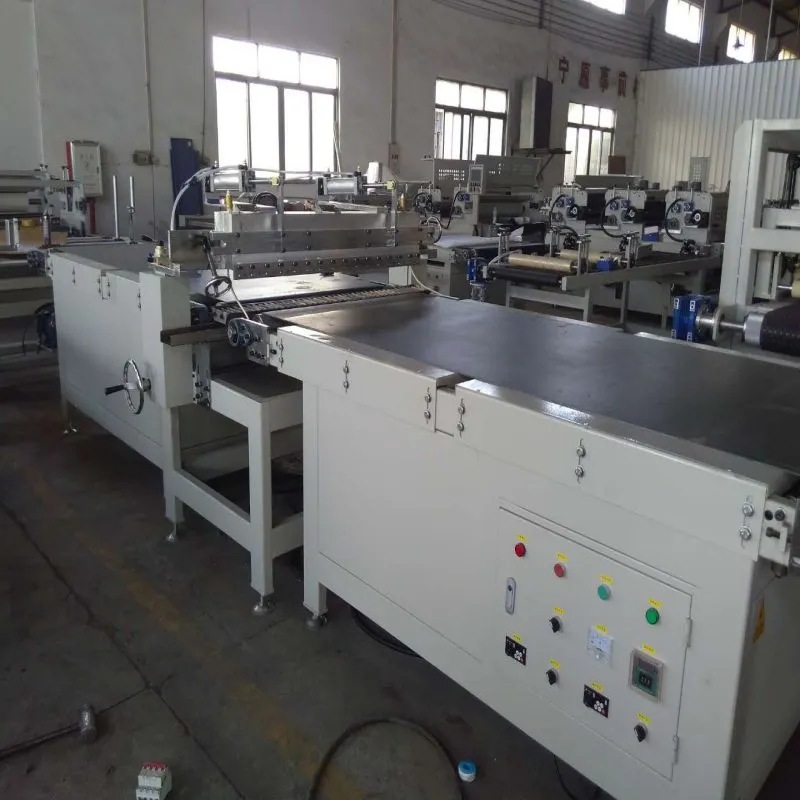
While direct applications are limited, under certain conditions, with process improvements or equipment assistance, curtain coating machines can still indirectly participate in the production of irregularly shaped parts.
1. Segmented Coating Method
If an irregularly shaped part consists of multiple planes, it can be broken down into separately coated sections, coated using a curtain coating system, and then reassembled. This method retains the efficiency advantage of the curtain coating machine.
2. Combination of Coating and Spraying
Using a curtain coating machine for large-area coating in certain areas, followed by spraying to fill in complex edges and corners, achieves a hybrid process that balances speed and completeness.
3. Auxiliary Fixture Clamping
Designing specific fixtures to maintain the stable posture of irregularly shaped parts as they pass through the liquid curtain can improve coating coverage, but sagging issues are still difficult to avoid.
Therefore, these solutions are more of a trade-off improvement than a true "fit."
Why is it not recommended to use a curtain coating machine for coating irregularly shaped parts?
From an engineering perspective, the core criteria for selecting a coating method include: surface morphology, paint characteristics, production cycle time, finished product requirements, and cost control.
For irregularly shaped parts, curtain coating machines have the following significant limitations:
• Uneven coverage: Inability to guarantee consistent coating across complex curved surfaces;
• Liquid waste: High rates of sagging and recycling losses;
• Complex cleaning and maintenance: Irregularly shaped parts are more prone to curtain contamination after use;
• Insufficient production flexibility: Inability to quickly adapt to workpieces of different shapes.
Therefore, from a professional standpoint, curtain coating machines are not recommended for coating irregularly shaped parts unless a specially designed process route is used.
What are the limitations of curtain coating machines compared to other coating methods?
To better understand the reasons, we can compare curtain coating machines with other mainstream coating methods:
Coating methods | Applicable Objects | Coating uniformity | Adaptability to irregularly shaped parts | Production efficiency |
| Curtain coating machine | Flat sheets, regular shapes | Very high | Poor | Extremely high |
Spraying | All shapes | Medium | Excellent | Medium |
| Roller coating | Flat surfaces, thin sheets | High | Very poor | High |
| Dipping coating | Simple geometric shapes | Medium | Average | Medium |
As the table shows, curtain coating machines perform excellently on "flat, regular parts," but are not advantageous for "irregularly shaped parts."
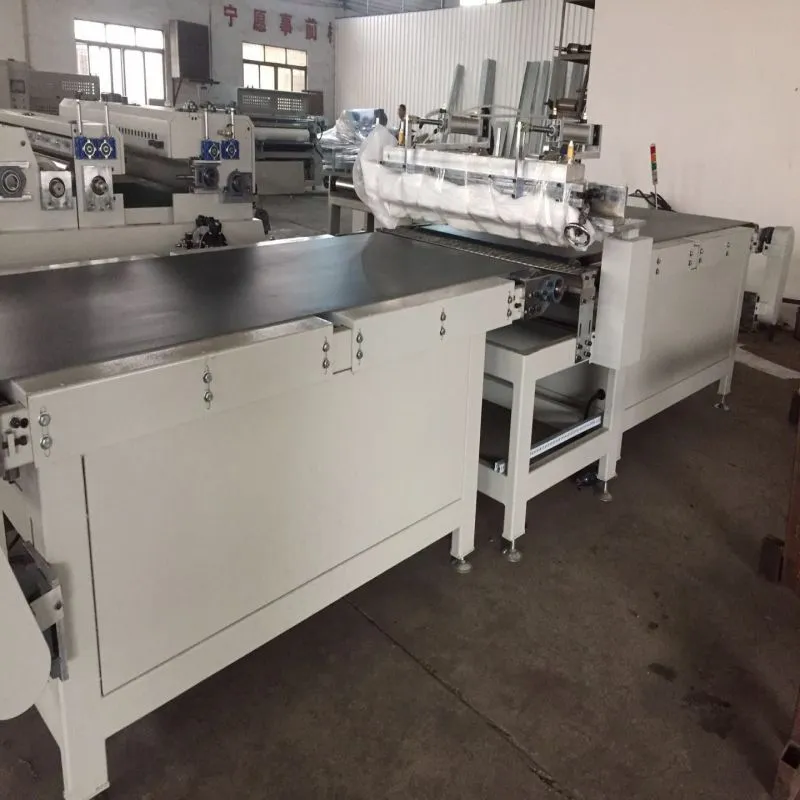
Is a curtain coating machine suitable for irregularly shaped parts?
The answer is: No.
Curtain coating machines, with their unique liquid curtain coverage principle, possess unparalleled advantages in flat surface coating. However, their fluid characteristics limit their ability to perfectly handle the complex geometry of irregularly shaped parts. Even with parameter adjustments or process improvements, achieving ideal coating uniformity and adhesion quality remains challenging.
Therefore, when selecting coating equipment, it is crucial to match it to the product structure and coating requirements:
• Flat surfaces → Choose a curtain coating machine;
• Irregularly shaped parts → Spraying, electrostatic spraying, or dip coating are recommended.
Only through proper selection can an optimal balance be achieved between production efficiency and product quality.