

In the furniture manufacturing industry, UV roller coating machines have gradually replaced traditional manual painting processes due to their high efficiency, low pollution, and uniform coating.
However, many manufacturers still have questions: After UV roller coating, do furniture panels need to be painted twice more?
The answer is not absolute; it depends on the coating system, product positioning, process requirements, and surface finish. This article will provide an in-depth analysis from the perspectives of process principles, paint layer structure, functional requirements, and equipment performance to help you accurately determine when painting is needed, how many times, and why.
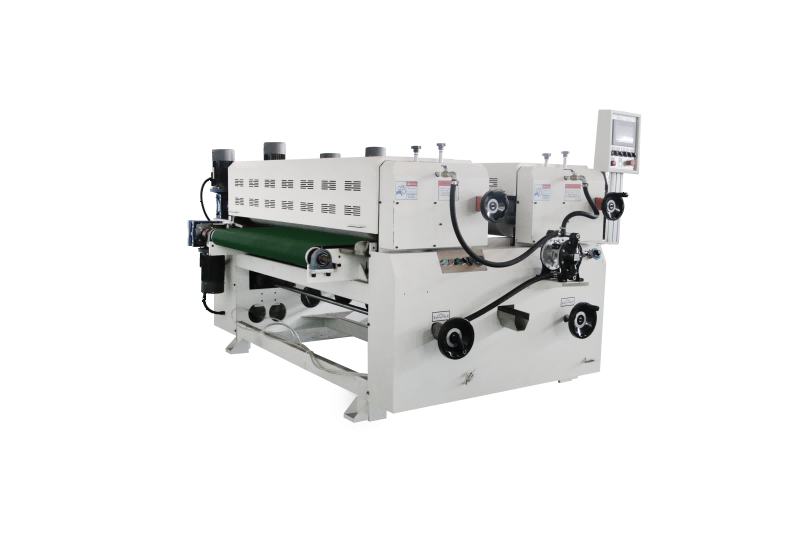
What is the working principle of a UV roller coating machine?
Before understanding whether painting is necessary, it is essential to understand the process characteristics and coating mechanism of a UV roller coating machine.
1. Workflow Overview
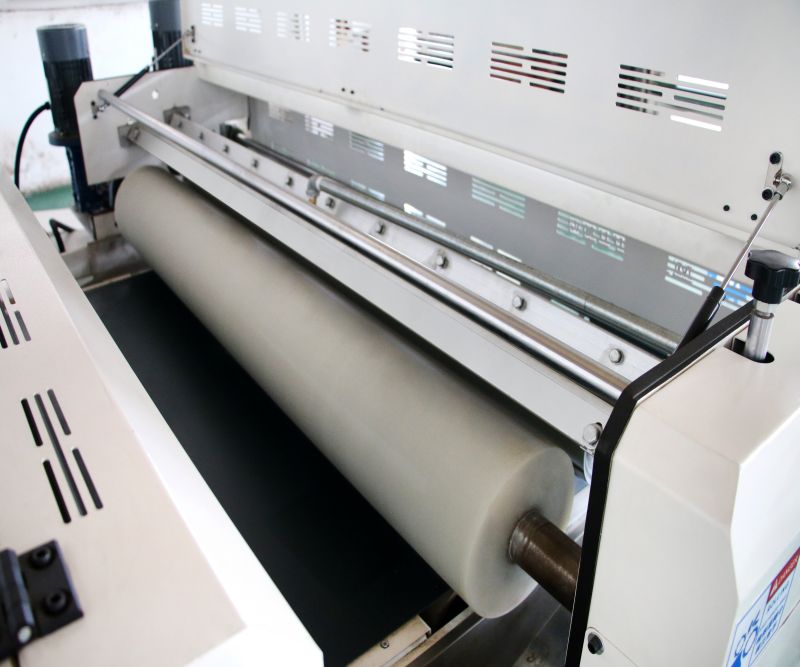
A UV roller coating machine is a device that uses rotating rollers to evenly coat the surface of furniture panels with paint. The core process is as follows:
• The board is fed into the coating area by a conveyor system;
• The paint supply system delivers UV-curable coating to the metering roller;
• The metering roller controls the film thickness and transfers the coating to the coating roller;
• The coating roller applies the coating evenly to the furniture panel surface;
• The panel is irradiated with UV light, and the coating instantly cures to form a smooth surface.
2. Difference between Roller Coating and Spray Coating
Comparison Items | UV roller coating machine | Spray painting (manual or automatic spraying) |
| Coating Method | Roller contact transfer | Airflow atomization spraying |
| Coating Utilization Rate | Up to 95% accuracy | Approximately 60%–70% |
| Thickness Control | Precisely adjustable | Highly affected by airflow velocity |
| Coating Smoothness | High precision | Prone to orange peel or runs |
| Applicable Substrates | Smooth panel | Suitable for complex shapes or three-dimensional surfaces |
| Drying Method | UV curing | Hot air or natural drying |
Therefore, UV roller coating machines are more suitable for efficient coating of flat panels, while spray coating is used to supplement complex structures or provide specific textures.
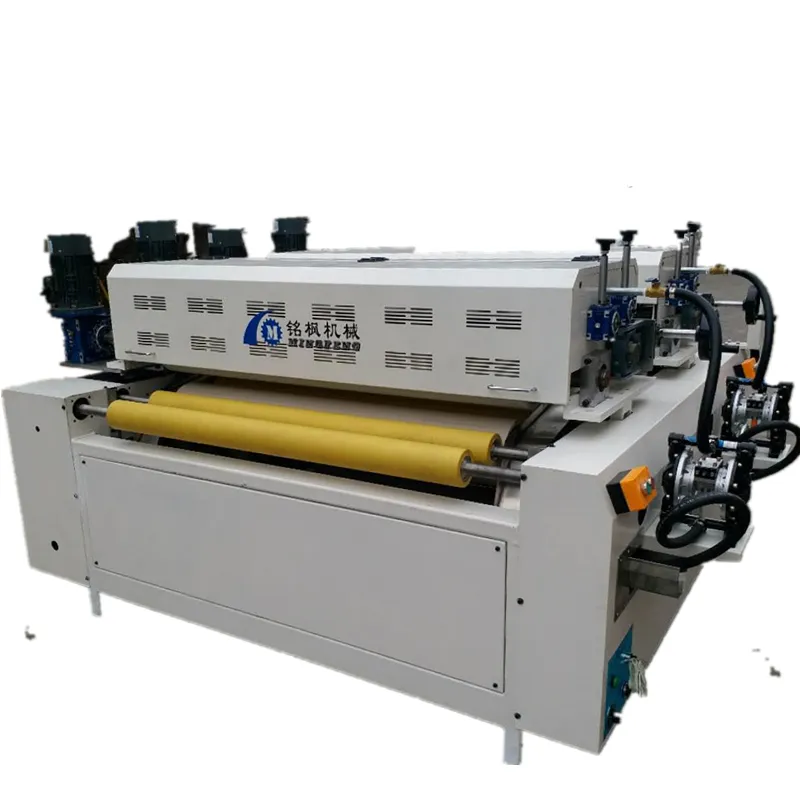
Can the surface effect of a furniture panel meet requirements after one roller coating?
Many users wonder: Since UV roller coating machines produce uniform coatings, high gloss, and fast curing, is one roller coating sufficient?
The answer depends on the surface standards of the product.
1. For general decorative panels
If the furniture panel is only used for ordinary decoration (such as back panels, drawer bottoms, partitions, etc.), one roller coating is sufficient to form a basic protective layer and a gloss layer. In this case, spray painting is not necessary. Advantages:
• Smooth surface, scratch resistant;
• Hardness up to 2H–3H;
• High production efficiency, low cost.
2. For boards requiring high-gloss or matte finishes
For high-end furniture, such as door panels, display cabinets, and piano lacquer finishes, a single roller coating is usually insufficient to achieve the desired decorative effect.
Reasons:
• Limited single-layer paint film thickness (approximately 5–15 μm);
• Roller coating primarily focuses on leveling and cannot create a deep mirror finish;
• For special visual effects (such as high gloss, soft finish, or matte finish), additional spray paint layers are required for finishing.
Therefore, in some process systems, one or two additional spray paint layers are applied after roller coating to achieve the final effect.
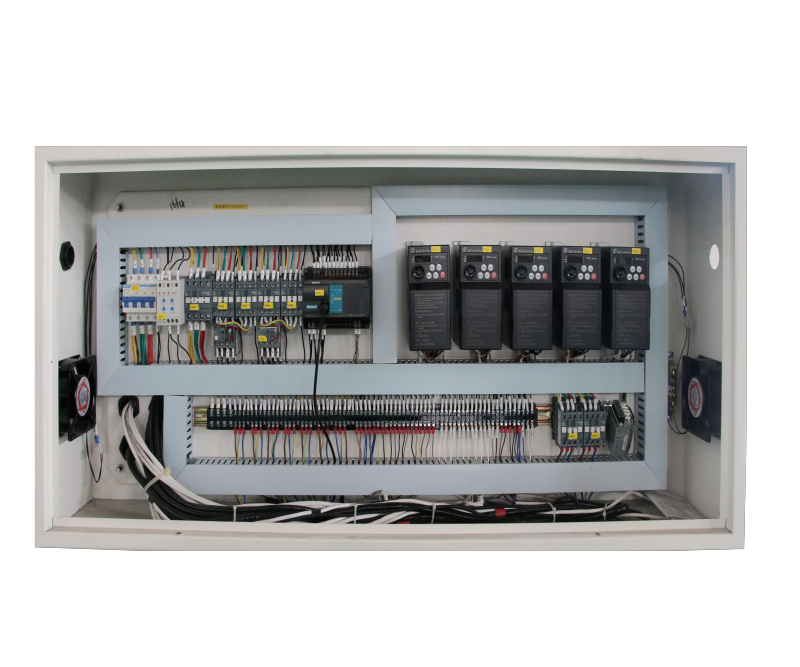
Why are two additional paint layers applied after roller coating?
1. The need for coating structure design
Coating systems are not single-layered but multi-layered to achieve different functions. A typical furniture coating system includes:
• Primer: Seals the substrate pores, improving adhesion;
• Intermediate Coat: Fills in surface texture, enhancing the sense of thickness;
• Top Coat: Forms the final decorative and protective layer.
UV roller coating machines typically handle the primer or intermediate coating process, while the top coat (especially high-gloss or special effect layers) is mostly applied by spraying.
Therefore, in a production system of "roller coating followed by two coats of paint":
• First coat: Used to adjust color and enhance saturation;
• Second coat: Used to create a high-gloss or matte effect and improve abrasion resistance.
2. Spray painting can improve edges and details
UV roller coating machines use a planar contact coating method, which has limited coverage of board edges and pores.
If the furniture panel has chamfers, edges, or complex structures, although the surface may be smooth after roller coating, there may be micro-areas that are not completely covered at the edges and corners.
Two coats of paint can:
• Cover up missed areas at the edges;
• Improve overall visual consistency;
• Increase the thickness of the protective surface layer.
3. Surface Texture Adjustment
Even with a uniform paint film achieved through roller coating, different customers have different needs regarding feel and appearance.
Spray coating can further adjust:
• Gloss (high gloss/matte/silky);
• Touch (smooth/soft/smooth);
• Color depth (increase saturation or layering).
Can a UV roller coating machine replace two coats of paint?
Since spray coating is still required after roller coating, many people ask: Can the entire painting process be completed using only a UV roller coating machine?
The answer is: It can be partially replaced under certain conditions, but complete replacement is not suitable for all products.
1. Situations where replacement is possible
• Furniture panels have a flat structure without complex edges and corners;
• Medium requirements for gloss and layering;
• Using a multi-layer roller coating process (both base coat and top coat are completed using a UV roller coating machine).
In this case, by controlling the roller gap and UV curing energy, two or even three layers of coating can be achieved, eliminating the need for two additional coats of paint.
2. Situations Where Complete Replacement Is Not Suitable
• Furniture surfaces requiring a high-gloss mirror finish or a special tactile feel;
• Boards containing textured surfaces or carved structures;
• High-end products with extremely high visual appeal.
In these types of products, while roller coating provides a highly efficient base coat, final visual finishing and protection still require spray painting.
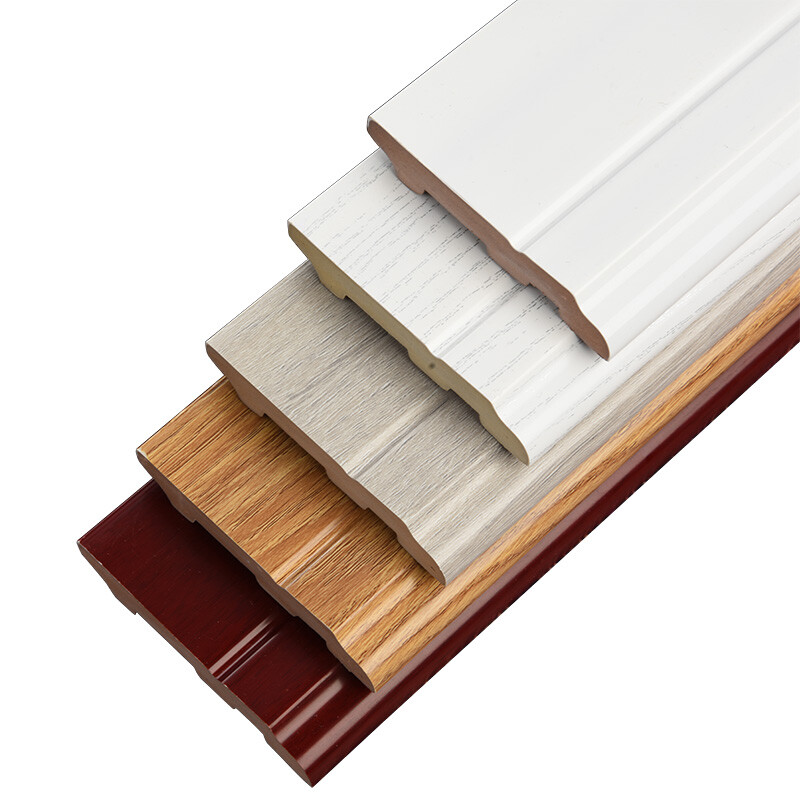
What is the process sequence for combining UV roller coating and spray painting?
To ensure both efficiency and quality, modern furniture manufacturing often employs a "roller coating + spray painting combination process," with the typical flow as follows:
1. Base Coating (using a UV roller coating machine)
• Seals the wood pores, forming a uniform base coat;
• Thickness controlled at 5–10 μm;
• Light sanding after UV curing.
2. Intermediate Roller Coating (Using the UV roller coating machine again)
• Fills in minor depressions to create a smooth surface;
• Thickness: 10–15 μm;
• Sanding after curing.
3. Topcoat (1–2 coats)
• First coat: Adjusts color and texture;
• Second coat: Forms the final decorative layer;
• Uses UV spraying or thermosetting spraying.
This combined process fully utilizes the high efficiency of the UV roller coating machine while retaining the visual finishing capabilities of spraying.
What parameters determine whether a roller coating can replace a spray coating?
When manufacturers wish to reduce spraying steps, they must precisely control the parameters of the UV roller coating machine to ensure the roller coating itself possesses sufficient visual and physical properties.
1. Roller Gap
Controls film thickness;
To replace part of the spray coating, the gap needs to be appropriately reduced, increasing the coating amount.
Recommended range: 0.08–0.15 mm.
2. Roller Speed Ratio
The coating roller speed should be slightly higher than the metering roller speed (approximately 5–10%). Too low a speed will result in uneven thickness, while too high a speed will cause stringing.
3. Coating Viscosity and Solid Content
High viscosity improves film fullness; high solid content enhances hiding power and gloss.
It is recommended to maintain viscosity for 20–30 seconds at 25℃ (Ford Cup 4).
4. UV Curing Energy
Low energy results in incomplete curing and loss of gloss; high energy leads to brittleness.
It is recommended to control the energy level at 800–1200 mJ/cm², while maintaining consistent lamp spacing.
Through optimizing these parameters, roller coating can, to some extent, replace a single spray painting, reducing production steps.
What are the effects of directly spraying two coats of paint after roller coating on furniture panels?
If no intermediate sanding or adjustment is performed after roller coating, and two coats of paint are applied directly, the following problems may occur:
• Reduced adhesion: The roller coating surface is too smooth, making it difficult for the paint to adhere;
• Orange peel or sagging: Excessive paint layer thickness leads to changes in surface tension;
• Uneven curing: Inappropriate matching between the UV-cured layer and the subsequent thermosetting layer;
• Increased process costs: Repeated painting increases time and paint consumption.
Therefore, if painting is necessary after roller coating, the following must be done:
• Lightly sand the surface (#400–#600 sandpaper);
• Clean the surface of dust;
• Adjust the paint viscosity to improve adhesion.
Do furniture panels need two coats of paint after roller coating?
Whether furniture panels need two coats of paint after roller coating with a UV roller coating machine depends on the product surface requirements and process design.
For ordinary furniture panels, a UV roller coating machine can complete the process in one step; For high-end products or products with high decorative requirements, two coats of paint are still needed after roller coating to achieve the desired effect.
What types of coating and printing machines does XMF Machinery manufacture?
XMF Machinery is a specialized factory and manufacturer that supplies a full range of surface coating and printing machines for flat and special-shaped materials. Our equipment includes roller coating machines, UV curing and drying machines, automatic spraying machines, curtain coating machines, printing machines, embossing machines, sanding machines, putty primer machines, and dust cleaner machines. These machines are designed for paint coating, pattern printing, surface finishing, and paint drying processes.