
In the coating processes of furniture boards, door panels, flooring, and decorative materials, high-gloss curtain coating machines have garnered significant attention due to their ability to achieve a mirror-like coating effect. With increasing environmental awareness, water-based paints are gradually replacing solvent-based paints as the mainstream in the market. However, many industry professionals raise a crucial question: Can high-gloss curtain coating machines use water-based paints?
This question involves not only equipment compatibility but also multiple factors such as the coating system, rheological properties, curing method, and process control.
This article will systematically answer this industry question from the perspectives of principles, technical characteristics, compatibility analysis, application conditions, and precautions.
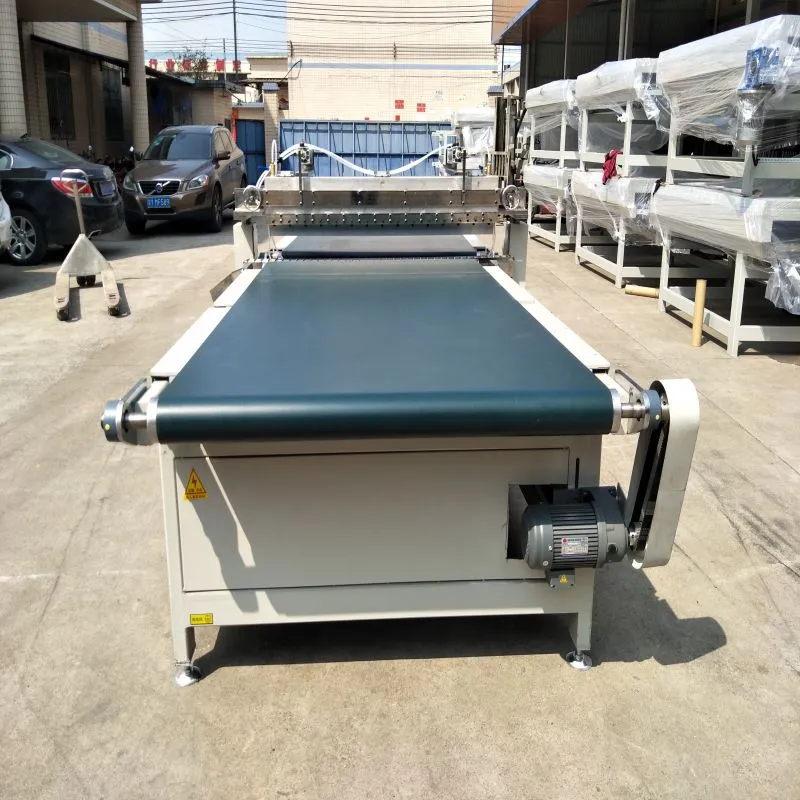
What is a high-gloss curtain coating machine? Why can it form a high-gloss coating?
1. Basic Principles of High-Gloss Curtain Coating Machines
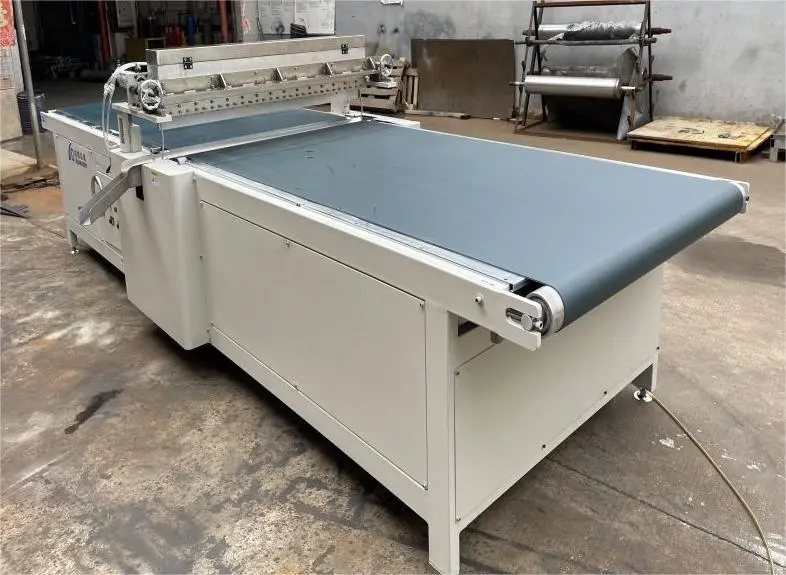
A high-gloss curtain coating machine is an automated coating device that uses gravity to form a continuous curtain of coating, allowing the liquid to evenly fall onto the substrate surface. Compared to ordinary curtain coating machines, it offers higher precision in liquid curtain uniformity, flow control, and surface leveling, making it particularly suitable for high-gloss UV paints or glossy finish coatings.
After the coating forms a liquid film on the workpiece surface, it dries rapidly through UV curing or thermal curing, resulting in a high-gloss, smooth surface. This mirror-like effect is widely used in high-end furniture, piano-lacquered door panels, and decorative panels.
2. Key Characteristics of High-Gloss Coating
• Uniform coating thickness and extremely high surface smoothness;
• Gloss level can reach over 90° of reflection, exhibiting a mirror-like effect;
• Suitable for UV curing systems, enabling rapid production;
• Extremely high requirements for paint flowability and viscosity.
Therefore, the design of high-gloss curtain coating machines emphasizes precise liquid curtain control and high leveling performance, which are the core technical points for evaluating the suitability of water-based paints.
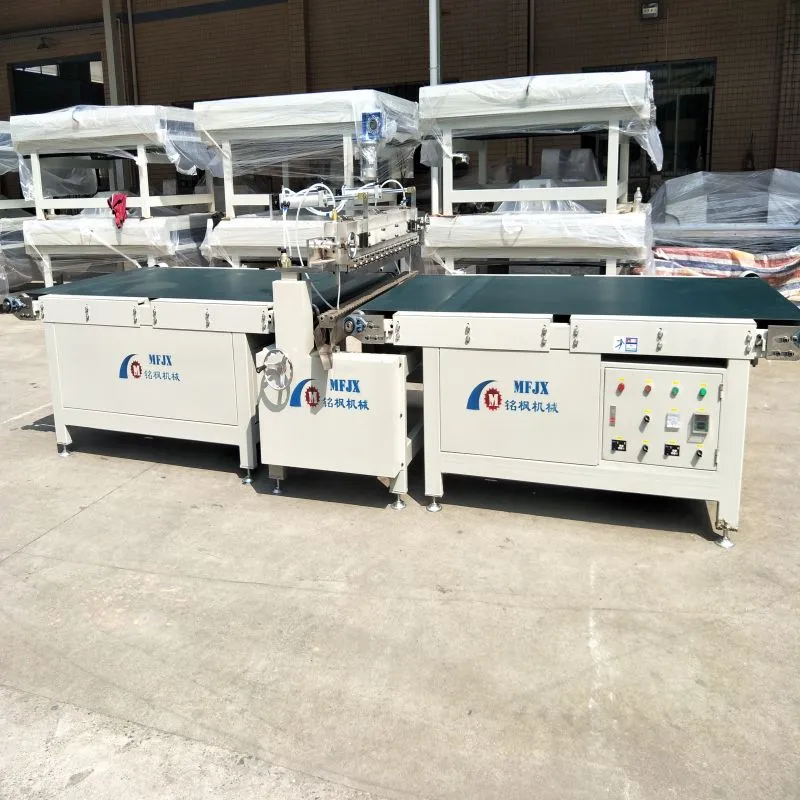
Why is there controversy regarding the use of "water-based paints" in high-gloss curtain coating machines?
To answer the question "Can high-gloss curtain coating machines use water-based paints?", it is essential to first understand the characteristics of water-based paints.
Water-based paints use water as a diluent and offer advantages over traditional solvent-based paints, such as being environmentally friendly, low in VOCs, and odorless. However, they differ significantly in rheological properties and drying methods.
1. Different Rheological Properties of Water-Based Paints
• Water-based paints have higher surface tension, resulting in poorer flow and leveling compared to solvent-based systems.
• The evaporation rate of water is greatly affected by ambient humidity, easily causing uneven drying of the coating.
• Under high-gloss requirements, even tiny flow marks will amplify reflection defects.
This means that if water-based paints are used on a high-gloss curtain coating machine without adaptation adjustments, the coating may exhibit problems such as orange peel, sagging, or insufficient gloss.
2. Differences in Curing Methods of Water-Based Paints
Most high-gloss curtain coating processes use UV-cured paint systems, while water-based paints mostly rely on natural evaporation or hot air drying, resulting in a significantly slower curing speed. This characteristic makes water-based paints more prone to uneven flow or bubbling problems after being applied through a liquid curtain.
Can high-gloss curtain coating machines be compatible with water-based paints?
Theoretically, high-gloss curtain coating machines can use water-based paints, but certain conditions and equipment adjustments must be met. The key lies in the ability to consistently control the paint's flowability, drying speed, and gloss recovery.
While high-gloss curtain coating machines are not inherently designed for water-based paints, good compatibility can be achieved through process optimization and equipment fine-tuning.
What problems are common with high-gloss curtain coating machines when using water-based paints?
When water-based paints are applied to high-gloss curtain coating machines, the following issues are common:
1. Orange Peel Texture on the Coating Surface
Due to the high surface tension and slow drying speed of water-based paints, orange peel texture or ripples are easily formed. This directly affects the smoothness of the high-gloss surface.
2. Insufficient Gloss
After curing, the surface hardness and specular reflectivity of water-based paints are often lower than those of UV paints. Without leveling optimization, surface brightness will decrease.
3. Sagging and Bubbling
The liquid curtain of a curtain coating machine has a strong impact force. If the viscosity of the water-based paint is unsuitable, microbubbles can easily form during the descent, or sagging may occur due to excessive flow.
4. Excessive Drying Time
Water-based paints rely on water evaporation. If the drying system is inadequate, slow surface drying and water retention at the bottom can easily occur, affecting complete curing.
How to Better Adapt a High-Gloss Curtain Coating Machine to Water-Based Paints?
To ensure efficient use of water-based paints with a high-gloss curtain coating machine, optimization must be performed simultaneously on three aspects: paint performance, equipment structure, and the application environment.
1. Optimize Water-Based Paint Formulation and Performance
• Control viscosity within the range of 25–50 seconds (DIN 4 cup) to balance leveling and anti-sagging;
• Add appropriate levels of leveling agents and antifoaming agents to improve surface smoothness;
• Select a high-gloss water-based clear varnish system to ensure dense film formation and high reflectivity;
• Adjust pH and solids content to improve film hardness and adhesion.
2. Improved Structure of High-Gloss Curtain Coating Machine
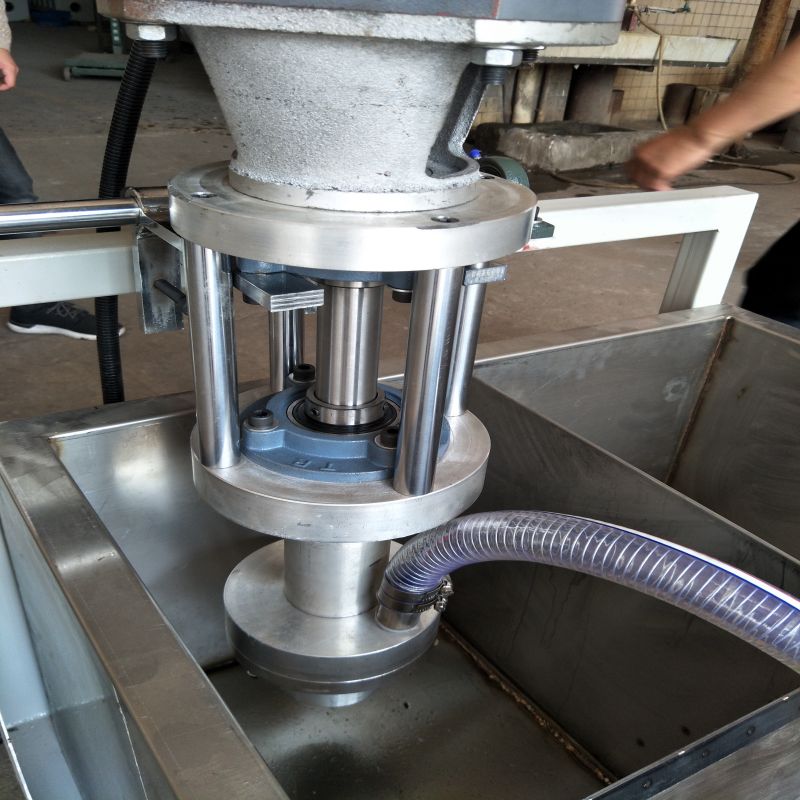
• Use a stainless steel paint circulation system to prevent water-based paint from corroding the equipment;
• Add an independent filtration and reflux system to prevent impurities from clogging the liquid curtain;
• Equip with a heating and temperature control system to maintain a constant paint temperature and improve flow stability;
• Add an infrared or hot air drying section to accelerate moisture evaporation and prevent sagging.
3. Strict Environmental Condition Control
• Temperature controlled at 20–25°C;
• Relative humidity controlled at approximately 50%;
• Maintain clean, dust-free air;
• Avoid strong winds that could disrupt the stability of the liquid curtain.
What are the key points for operating water-based paint in a high-gloss curtain coating machine?
1. Preparations Before Start-up
• Check paint viscosity and liquid curtain uniformity;
• Confirm that the circulation system is rust-proof and well-sealed;
• Preheat the paint tank to achieve optimal flow of the water-based paint.
2. Coating Process Control
• Maintain continuous and stable curtain coating;
• Control the sheet material conveying speed at 6–10 m/min;
• Ensure uniform curtain coating thickness and avoid splashing.
3. Drying and Curing Stage
• Use a combination of hot air and infrared drying to accelerate surface drying;
• If a high-gloss finish is required subsequently, a UV topcoat can be applied;
• Prevent dust from entering before curing to avoid mirror-like imperfections.
What level of high gloss can be achieved using water-based paints?
With proper process control, high-gloss curtain coating machines using water-based paints can achieve gloss levels close to those of UV paints.
Typically, UV high-gloss paints can achieve a gloss level of 90–95 GU, while optimized water-based paint systems can achieve 80–88 GU in curtain coating, with surface smoothness meeting the appearance requirements of furniture panels and decorative door panels.
Through subsequent topcoat and polishing treatments, even a near-mirror-like reflective effect can be achieved.
Therefore, from a performance perspective, water-based paints can fully meet the requirements of high-gloss coating, but they require higher precision in process control.
Comparison of Advantages and Disadvantages of Using Water-Based Paints in High-Gloss Curtain Coating Machines
Item | Advantages | Disadvantages
Environmenta Performance | No VOC emissions, low odor | High drying energy consumption
Coating Effect | Stable color, not prone to yellowing | Slightly lower gloss
Operational Safety | No solvent explosion risk | Sensitive to humidity
Cost Control | High recycling rate | High investment in drying equipment
Applicable Scope | Coating of furniture boards, door panels, etc. | Not suitable for deep recesses or corners
Therefore, it is evident that, provided there are suitable equipment and technical conditions, water-based paints can be fully applied in high-gloss curtain coating machines, achieving a good balance between environmental protection and visual effects.
How does XMF Machinery support different coating processes?
XMF Machinery designs and manufactures equipment to support multiple coating processes, including roller coating, spray coating, curtain coating, UV curing, sanding, and surface embossing. As an experienced manufacturer, we understand that different coatings and substrates require different machine configurations. Our roller coating machines and putty primer machines are suitable for base coating, while automatic spraying machines and printing machines handle decorative and finishing layers.