
In furniture manufacturing, metal processing, automotive parts, and the surface treatment of various industrial products, coating processes are always a key factor determining the product's appearance quality and durability. With the continuous expansion of production scale, traditional manual spray painting can no longer meet the requirements of efficiency, stability, and environmental protection. Therefore, spray painting production lines have gradually become an important equipment system in modern industrial coating.
Many companies ask two basic questions when planning their coating workshops:
What is the working principle of an automated spray painting production line?
What are the core pieces of equipment typically composed of a complete spray painting production line?
In fact, a standard spray painting production line is not a single piece of equipment, but an automated system formed by combining multiple functional devices according to a process flow. Each piece of equipment is responsible for a different production stage, from workpiece conveying to spraying, to drying and curing, and finally to the formation of the surface coating.
This article will systematically introduce the working principle, process flow, and core equipment structure of a spray painting production line to help readers fully understand how automated spray painting systems operate.
What is an automated spray painting production line?
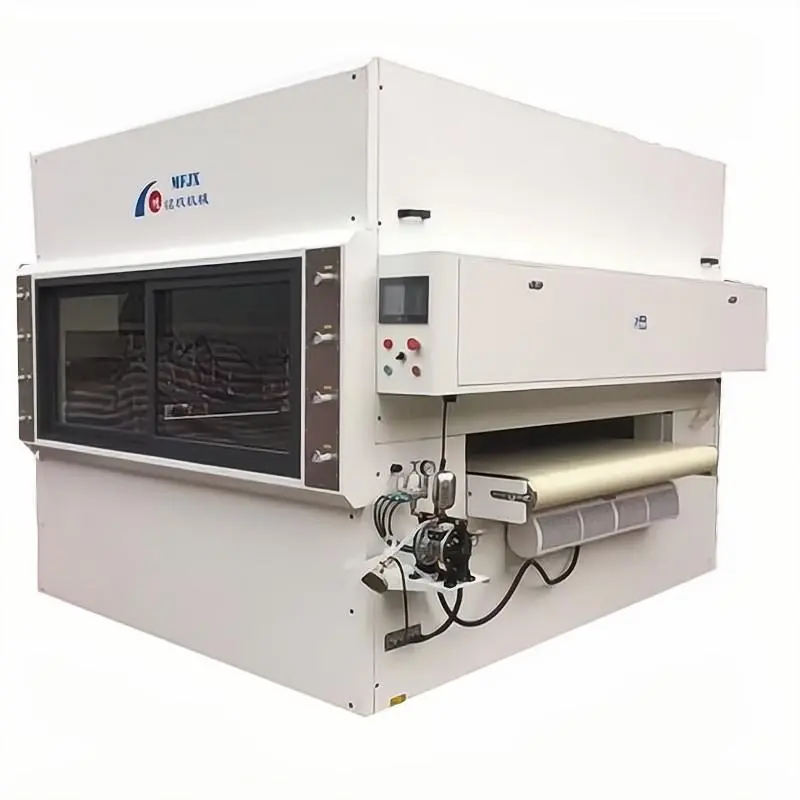
An automated spray painting production line is a continuous coating system formed by combining mechanical equipment, control systems, and spraying technology. This system utilizes automatic spray guns or spraying equipment to evenly spray liquid paint onto the workpiece surface, and then uses drying equipment to cure the coating, thus forming a decorative and protective paint film.
Compared to traditional manual painting, automated spray painting production lines have significant advantages:
• Stable coating quality
• High production efficiency
• High paint utilization rate
• High degree of automation
• Good operational safety
Therefore, spray painting production lines are widely used in modern industrial production.
What is the basic working principle of an automated spray painting production line?
The core principle of a spray painting production line is to use compressed air or electrostatic action to atomize liquid paint into tiny particles and evenly spray them onto the workpiece surface. After the paint forms a wet film on the workpiece surface, it is transformed into a stable paint film through drying or curing equipment.
The entire process typically includes the following stages:
1. Workpiece enters the production line
2. Surface cleaning treatment
3. Automatic painting
4. Paint film leveling
5. Drying and curing
6. Cooling and output
Through these continuous processes, spray painting production lines can achieve stable and highly efficient surface coating.
What is the process flow of a spray painting production line?
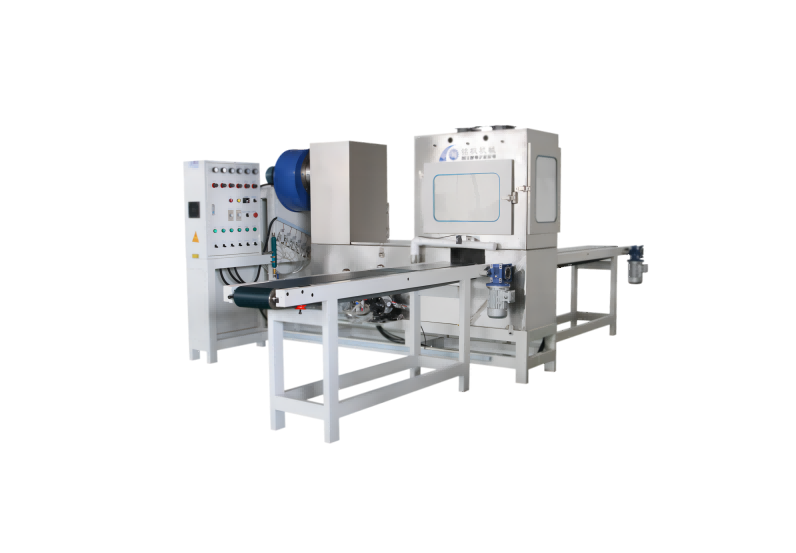
A complete spray painting production line typically operates in the following sequence:
Feeding and conveying
→ Surface cleaning
→ Automatic painting
→ Leveling
→ Drying and curing
→ Cooling
→ Discharging
Each step requires corresponding equipment to complete, forming a complete automated spray painting system.
The function of each step will be explained in detail below.
Why does a spray painting production line need a conveyor system?
In a spray painting production line, workpieces need to pass through multiple devices continuously, therefore a stable conveyor system is essential.
Main function of the conveyor system
The conveyor equipment is responsible for transporting workpieces from the production line entrance to each processing station, enabling continuous production.
Common conveyor methods include:
• Overhead conveyor
• Chain conveyor
• Roller conveyor
• Belt conveyor
Different types of spray painting production lines select appropriate conveyor methods based on the product shape and weight.
A stable conveyor system ensures that the workpiece remains in a fixed position during the painting process, thus ensuring uniform coating.
Why does a spray painting production line need surface cleaning equipment?
Before painting, the workpiece surface must be clean; otherwise, the paint film adhesion will be affected.
Therefore, most painting production lines have cleaning equipment installed before painting.
Common cleaning equipment includes:
• Electrostatic precipitator
• Air knife dust collector
• Brush dust collector
These devices effectively remove dust and impurities from the workpiece surface, thereby improving paint quality.
Without this step, particles or bubbles may appear on the paint film surface.
What role does automatic painting equipment play in the production line?
The most critical equipment in the entire painting production line is the automatic painting equipment.
Automatic painting equipment is usually installed in the spray booth and uses spray guns to evenly spray paint onto the workpiece surface.
The components of automatic painting equipment include:
• Automatic spray gun
• Spray gun movement system
• Paint supply system
• Control system
Through program control, the spray gun can move along a set trajectory, thereby achieving uniform spraying.
Automatic painting equipment can significantly improve the efficiency of the painting production line and reduce errors caused by manual operation.
Why is a spray booth needed in a spray painting production line?
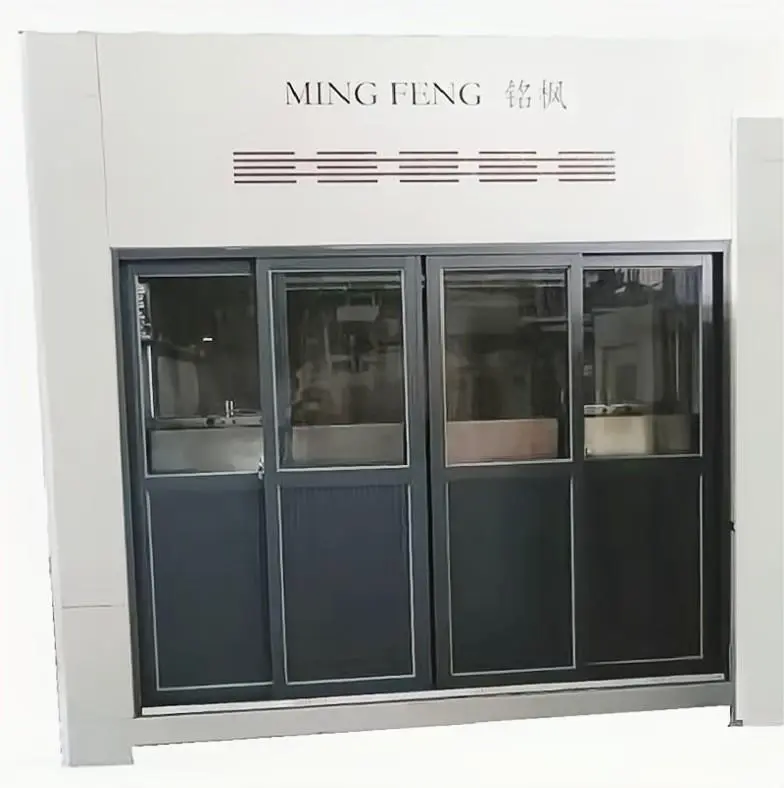
A spray booth is a crucial environmental control device in a spray painting production line.
The main functions of a spray booth include:
• Controlling the spraying environment
• Collecting paint mist
• Preventing contamination diffusion
• Providing stable airflow
Spray booths are typically equipped with filtration and exhaust systems to maintain a clean spraying environment.
A stable spraying environment improves the overall quality of the spray painting production line.
Why is a leveling process needed in a spray painting production line?
After spraying, the paint is still in a liquid state and needs time to spread naturally; this process is called leveling.
The main functions of leveling include:
• Eliminating spray marks
• Improving surface smoothness
• Ensuring uniform coating thickness
Leveling is usually achieved by extending the conveyor distance or using a leveling chamber.
Without a leveling process, the paint film surface may exhibit ripples or orange peel effects.
What drying equipment is needed in a spray painting production line?
After leveling, the paint film needs to be dried or cured.
Common drying equipment in a spray painting production line includes:
• Hot air drying oven
• Infrared drying equipment
• UV drying equipment
Different coatings require different drying methods. For example:
• Water-based paints typically use hot air drying
• UV paints require UV curing equipment
Drying equipment is one of the larger pieces of equipment in a spray painting production line because it requires sufficient drying time.
Why does a spray painting production line need cooling equipment?
After drying, the workpiece temperature is usually high, so cooling is necessary.
The main functions of cooling equipment include:
• Reducing workpiece temperature
• Preventing paint film adhesion
• Improving production safety
Cooling systems typically use air circulation to restore the workpiece to a suitable operating temperature before it leaves the spray painting production line.
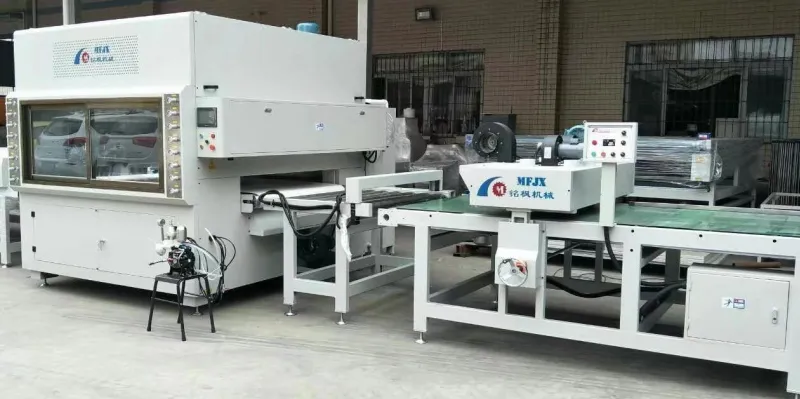
What is the role of the discharge system in a spray painting production line?
After all processes are completed, the workpiece leaves the spray painting production line via a discharge conveyor.
The functions of the discharge system include:
• Outputting the workpiece from the production line
• Facilitating subsequent packaging or assembly
• Maintaining production continuity
A stable discharge system ensures the continuous operation of the spray painting production line.
What are the core pieces of equipment in an automated painting production line?
In summary, a complete painting production line typically consists of the following core equipment:
1. Conveying System: Used to transport workpieces, ensuring continuous production.
2. Surface Cleaning Equipment: Removes dust and improves coating adhesion.
3. Automatic Painting Equipment: Completes the paint spraying process.
4. Spray Booth: Provides a stable painting environment.
5. Leveling Equipment: Makes the paint surface smoother.
6. Drying Equipment: Allows the coating to cure.
7. Cooling Equipment: Reduces the temperature of the workpieces.
8. Automatic Control System: Controls the operation of the entire painting production line.
These pieces of equipment are combined in a process sequence to form a complete automated painting production line.
What is the equipment arrangement sequence in a painting production line?
A typical paint spraying production line is arranged as follows:
Feed Conveyor
→ Surface Cleaning Equipment
→ Spray Booth
→ Automatic Spraying Equipment
→ Leveling Section
→ Drying Equipment
→ Cooling Section
→ Outlet Conveyor
The coating processes for different products may vary slightly, but the overall structure remains largely the same.
Can XMF Machinery equipment be integrated into existing production lines?
Yes, XMF Machinery supplies machines that can be easily integrated into existing production lines. Whether customers need to add a sanding machine, dust cleaner, automatic spraying machine, or UV dryer, our equipment is designed for flexible installation. As an experienced manufacturer and supplier, we consider compatibility, line speed, and process flow during the design process.