

In furniture manufacturing, the coating process is often one of the most crucial steps determining the final product quality. Whether it's solid wood furniture, panel furniture, cabinets, wooden doors, or high-end custom furniture, the surface coating not only serves a decorative purpose but also directly affects wear resistance, moisture resistance, scratch resistance, and the overall user experience. However, due to the inherent differences in texture, absorbency, and complex structure of furniture materials, the spraying process requires extremely high levels of process control.
Furniture rework not only increases material costs but also occupies production equipment and labor resources. For example, if a piece of furniture that has already been assembled needs to be reworked due to surface coating issues, it often requires multiple steps such as re-sanding, re-coating, and re-drying, which not only affects production schedules but may also lead to delays in customer delivery. Therefore, reducing coating rework rates has become an important direction for furniture manufacturers to improve profit margins and competitiveness.
In recent years, automated coating equipment has gradually become an important tool for the furniture industry to solve this problem. Automatic spraying machines, as the core of automated coating equipment, transform the traditional manual spraying process, reliant on experience, into a standardized production flow through mechanical control, program settings, and precise spraying technology.
Based on some industrial coating application cases, companies typically see a significant reduction in the proportion of defective products caused by uneven spraying, color deviations, and human error after adopting automated coating equipment.
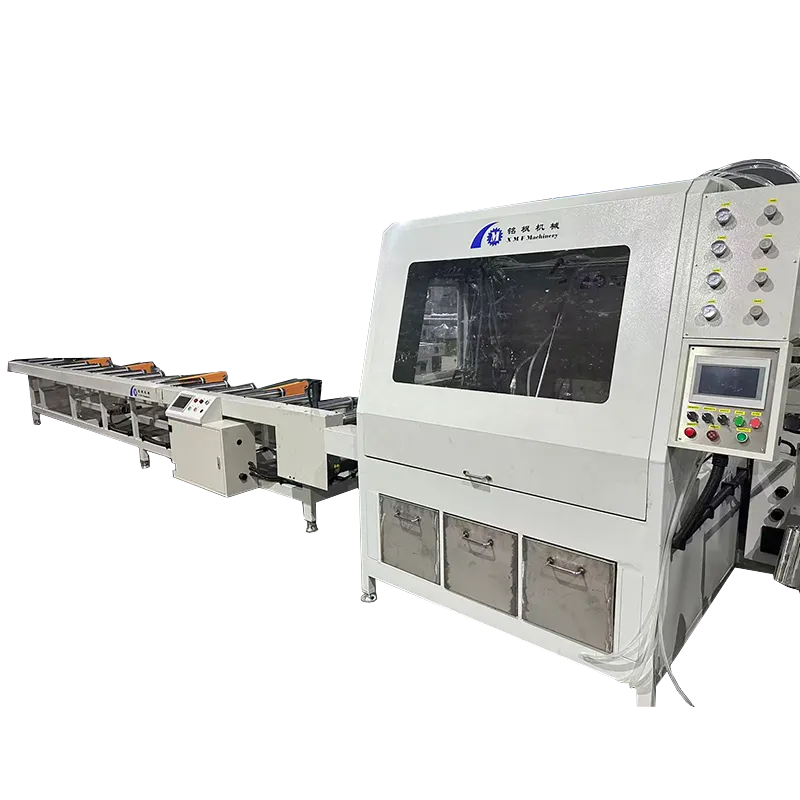
Main Reasons for High Rework Rates in Furniture Production
To understand how automated coating equipment reduces furniture rework rates, it's essential to first analyze the problems that commonly occur in traditional furniture spraying processes. Only by identifying the root causes of rework can targeted improvements be made through automatic spraying machines and automated equipment.
1. Unstable Paint Film Thickness Due to Manual Spraying
The quality of furniture spraying primarily depends on the uniformity of the paint film. A paint film that is too thin will result in insufficient surface protection, leading to problems such as uneven color and reduced wear resistance; a paint film that is too thick will easily cause defects such as sagging, incomplete drying, and surface cracking.
In traditional manual spraying, the distance and speed of the spray gun are mainly controlled by the operator. If the spray gun is too close to the product, the paint coverage per unit area increases, easily leading to excessively thick areas. If the spray gun is too far away, insufficient coverage may occur. Furthermore, after prolonged continuous work, the stability of workers' hand movements decreases, also causing variations in spray quality.
Automated coating equipment uses mechanical structures to fix the spray gun's trajectory, maintaining stable spray gun distance, movement speed, and spraying area. Automatic sprayers operate according to preset programs, unaffected by operator fatigue or experience differences, thus effectively improving the consistency of the paint film on furniture products.
2. Changes in the Spraying Environment Affect Furniture Surface Quality
Furniture spraying is affected not only by equipment but also by the production environment. Temperature, humidity, air cleanliness, and workshop ventilation all affect paint performance.
For example, in high humidity environments, some paints dry slower, potentially leading to abnormal surface gloss. If there is a lot of dust in the air in the spraying area, it can easily cause problems such as particles and impurities on the furniture surface.
In traditional manual spraying environments, operators often find it difficult to control these factors in real time. Modern automated coating equipment is typically integrated with professional spray booths, filtration systems, and environmental control equipment to create a more stable coating environment.
A stable production environment reduces quality fluctuations caused by external factors, allowing automated sprayers to perform more reliably.
3. Inconsistent Product Results Due to Differences in Personnel Skill Levels
Manual spraying is highly dependent on worker skill levels. Experienced sprayers can adjust their spraying methods according to the product's condition, while new employees usually require a longer training period to reach a stable level.
For furniture companies, personnel turnover directly impacts production quality. If key spraying personnel change, new employees may encounter problems such as insufficient color control and variations in coating thickness.
Automated coating equipment can translate experience into equipment parameters. For example, companies can pre-set:
• Spray gun travel path;
• Spraying speed;
• Spraying pressure;
• Paint flow rate;
• Number of sprays.
During production, automated sprayers execute standard procedures, making production experience no longer dependent on individuals, but a replicable manufacturing capability for the entire company.
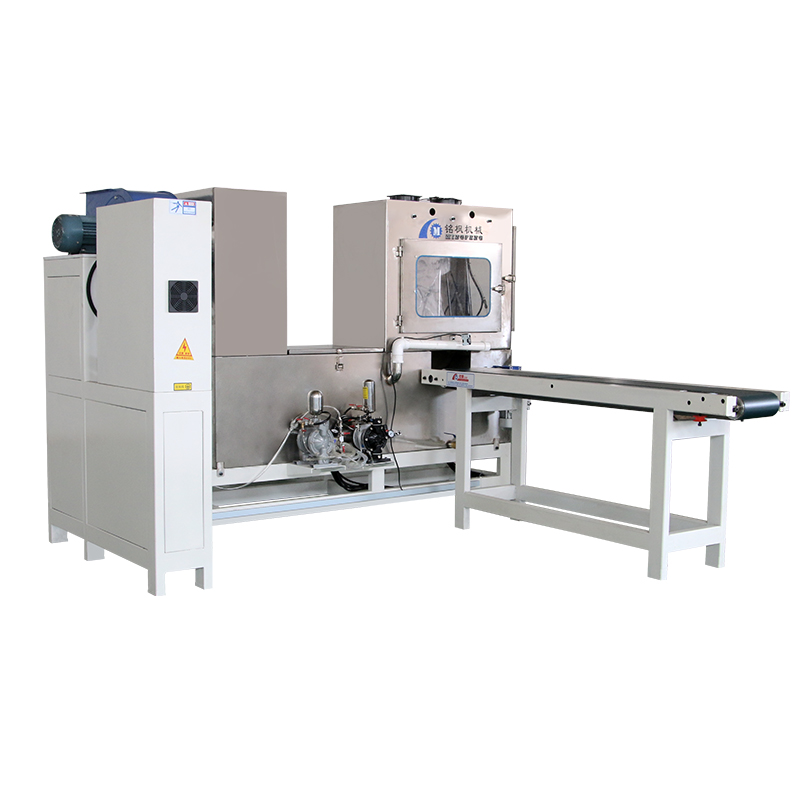
The Core Way Automated Coating Equipment Reduces Furniture Rework Rates
The key to reducing rework rates with automated coating equipment lies in minimizing uncertainties inherent in manual operation and improving the controllability of the entire spraying process.
1. Automated Spraying Machines Improve Furniture Coating Consistency
The biggest advantage of automated spraying machines is their ability to achieve repetitive, high-precision spraying. In mass furniture production, hundreds or even thousands of pieces of the same product are typically processed. Relying entirely on manual labor makes it difficult to ensure complete consistency across all products.
Automated spraying machines save spraying parameters through a control system, ensuring that each production run adheres to the same standards. For example, when a batch of wooden doors requires primer and topcoat, the equipment can automatically adjust the spraying speed and paint output according to process requirements, resulting in a nearly uniform coating effect on each door panel.
This stability effectively reduces the following problems:
• Color differences within the same batch;
• Insufficient localized spraying;
• Inconsistent paint film thickness;
• Waste caused by repeated spraying.
For furniture manufacturers pursuing high quality, improved product consistency means fewer customer complaints and lower after-sales processing costs.
2. Precise Spray Gun Trajectory Control Reduces Missed Areas on Complex Structures
Modern furniture designs are increasingly diverse, with many products incorporating curved surfaces, grooves, carvings, and irregular shapes. These complex areas require highly skilled manual spraying.
For example, on a solid wood piece with intricate carvings, inadequate manual spraying can result in insufficient coverage of recessed areas and paint buildup on raised areas.
Automatic spraying machines can control the spray gun trajectory through a mechanical motion system, resulting in a more stable spraying angle. For automated spraying equipment equipped with multi-axis robotic arms, adjustments can be made in multiple directions according to the product structure, achieving uniform coverage of complex surfaces.
This precise control method reduces rework caused by inadequate manual operation.
3. Precise Paint Control Reduces Coating Defects
The amount of paint used directly affects the final appearance of the furniture. During manual spraying, some operators may increase the amount of paint applied to avoid missed areas; however, excessive spraying can lead to runs, increased drying time, and a decline in surface quality.
Automated coating equipment can precisely manage paint output through a control system, ensuring each product receives a suitable coating.
Simultaneously, automatic sprayers reduce unnecessary re-coating, improving paint utilization. For furniture factories with long-term production lines, reducing material waste not only lowers costs but also reduces rework caused by coating issues.
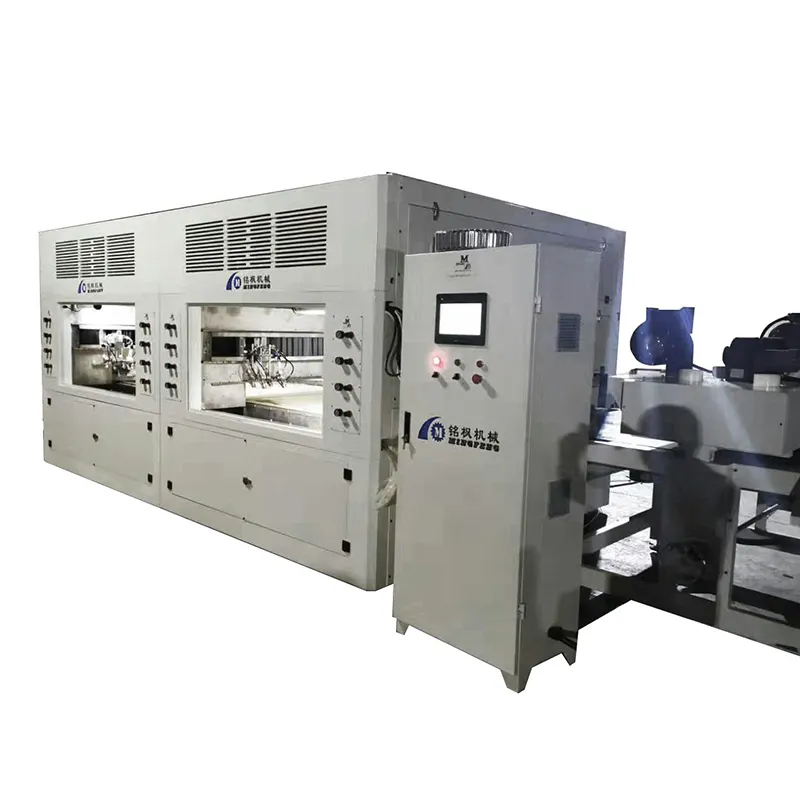
The Composition and Role of Automated Coating Equipment in Furniture Production Lines
A complete automated furniture coating system is not accomplished solely by an automatic sprayer, but rather through a holistic solution involving multiple devices working collaboratively.
1. Automatic Sprayer: The Core Equipment for Precise Coating
Automatic sprayers are a crucial component of automated furniture coating equipment. Common types include reciprocating automatic sprayers, robotic automatic spraying systems, and multi-axis spraying equipment.
For large-area furniture panels, such as cabinet doors, decorative panels, and wooden doors, reciprocating automatic sprayers offer high-speed continuous processing capabilities. For furniture with complex structures, robotic spraying systems can be used, achieving more flexible coating effects through multi-axis motion.
The main value of automatic sprayers lies in reducing human error and improving production stability.
2. Automated Conveying System: Ensuring Stable Production Cycle
The automated conveying system connects the spraying, leveling, curing, and inspection stages.
Instable conveyor speed directly affects the spraying effect. For example, variations in product speed as it passes through the automatic spraying machine area can lead to differences in coating thickness; variations in speed as it enters the UV curing area can affect the curing effect.
Therefore, high-quality automated coating equipment typically requires a stable conveying system to ensure continuous operation of the entire production process.
3. UV Curing Machine: Improving Coating Stability
For furniture production lines using UV coatings, a UV curing machine is an indispensable piece of equipment.
The UV curing machine rapidly hardens the coating using ultraviolet energy, improving the surface hardness, wear resistance, and production efficiency of the furniture.
Instable curing can lead to scratches, adhesion, or changes in gloss on the furniture surface. Therefore, the automatic spraying machine and UV curing machine need to be properly matched to form a complete and efficient automated coating production process.
What issues should be considered when applying automated coating equipment?
While automated coating equipment can significantly improve furniture painting quality, installation doesn't guarantee ideal results. Companies still need to pay attention to process compatibility, equipment maintenance, and personnel management.
1. Automated Spraying Machines Need to Be Matched with the Coating System
Different furniture products use different types of coatings, such as:
• PU paint;
• UV paint;
• Water-based paint;
• NC paint.
Different coatings have different requirements for spraying pressure, spray thickness, and drying methods.
If the automatic spraying machine's parameters are not set appropriately, even stable operation can lead to quality problems.
For example, a UV furniture coating production line needs to be integrated with a UV curing machine to control the overall process. If the spray thickness exceeds the UV curing capacity, the surface may be dry but the interior may not be fully cured.
Therefore, when building an automated coating production line, it's necessary to comprehensively consider the equipment, coatings, and production processes, rather than simply purchasing a single piece of equipment.
2. Regular Maintenance Ensures Long-Term Stable Equipment Operation
Automated coating equipment also requires maintenance and management during long-term operation.
Automatic spray painting machines require regular inspection:
• Spray gun condition;
• Nozzle wear;
• Conveyor system operation;
• Control system stability.
Clogged spray guns or abnormal nozzle conditions can lead to decreased coating quality.
Furthermore, paint mist in the spraying environment can also affect equipment operation; therefore, companies need to ensure proper equipment cleaning and maintenance.
Good maintenance habits not only extend the lifespan of automated coating equipment but also maintain consistently high coating quality.
3. Operators still need to master equipment management skills
Automated coating equipment reduces direct manual spraying work, but this does not mean that human intervention is completely eliminated.
Companies still need to train operators to master:
• Parameter adjustment methods;
• Basic troubleshooting;
• Equipment maintenance procedures;
• Product quality assessment.
Excellent operators can adjust the equipment promptly according to production changes, ensuring the automatic spray painting machine is always in optimal condition.
Therefore, automation is not simply replacing manual labor, but rather improving human efficiency through equipment, shifting personnel from repetitive tasks to equipment management and quality control.
FAQ
1. Can automated coating equipment really reduce furniture rework rates?
Yes. Automated coating equipment, by stably controlling spraying parameters and reducing human error, can significantly reduce rework caused by issues such as inconsistent color, uneven paint film, and missed areas.
2. Are automatic spraying machines suitable for all furniture companies?
Not all companies need the same type of automatic spraying machine. Companies need to choose appropriate equipment based on product type, production scale, coating process, and quality requirements.
3. What is the biggest advantage of automatic spraying machines compared to manual spraying?
The biggest advantage is stability. Manual spraying relies on personal experience, while automatic spraying machines can repeat production according to a fixed procedure, improving product consistency.
4. What equipment typically includes in an automated furniture coating production line?
Common equipment includes automatic feeding systems, automatic spraying machines, conveyor equipment, leveling equipment, UV curing machines, inspection systems, and automatic unloading equipment.
5. Is the investment cost of automated coating equipment high?
The initial investment in automated coating equipment is usually higher than that of traditional manual equipment, but by reducing rework rates, minimizing material waste, and improving production efficiency, it can help companies reduce overall manufacturing costs in the long run.