

In modern industrial manufacturing environments, many production processes—such as woodworking, metal grinding, painting, sanding, cutting, and material handling—generate dust. If this dust is not addressed promptly, it not only degrades the production environment but can also compromise equipment operational stability and product quality. Consequently, many enterprises install dust remover machines on their production lines to capture and process this dust.
However, different production lines vary significantly in terms of dust type, dust concentration, and equipment layout; therefore, selecting the appropriate dust remover machine is crucial. An ill-chosen dust collection system can result in low dust removal efficiency, unstable equipment operation, or increased maintenance costs.
So, how does one go about selecting the right dust remover machine for a specific production line? When selecting equipment, it is essential to take a comprehensive approach, considering various factors such as dust characteristics, required air volume, filtration method, equipment structure, and installation conditions. From a professional perspective, this article will systematically outline the key factors to consider when choosing a dust cleaner machine.
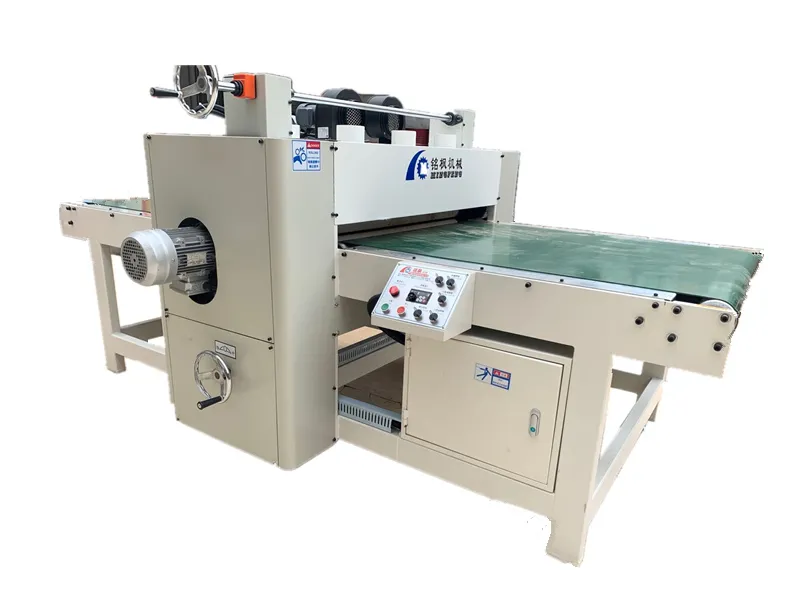
What is a Dust Remover Machine?
A dust remover machine is a device designed to capture and filter industrial dust. Utilizing aerodynamic principles, it draws dust-laden air into its interior and employs a filtration system to separate the dust particles, thereby achieving the objective of air purification.
In industrial manufacturing, dust remover machines are typically utilized in the following process stages:
•Grinding operations
•Cutting operations
•Sanding operations
•Spray painting operations
•Material conveying operations
By deploying the appropriate dust cleaner machine, manufacturers can effectively improve their production environment and enhance production efficiency.
Why is it Necessary to Install Dust Collectors on Production Lines?
In industrial settings, the long-term accumulation of dust can adversely affect both equipment performance and product quality. For this reason, dust collectors are commonly installed on many production lines.
1. Improving the Production Environment
In production environments characterized by high dust levels, dust remover machines effectively reduce the concentration of airborne dust, thereby improving the overall working environment.
2. Protecting Production Equipment
If dust infiltrates the internal mechanisms of machinery, it can lead to accelerated wear and tear or equipment malfunctions. The use of dust remover machines helps mitigate the detrimental impact of dust on production equipment.
3. Enhancing Product Quality
In certain high-precision or high-standard manufacturing environments, airborne dust particles can settle on product surfaces, potentially compromising the quality and finish of the final product. Installing a dust cleaner machine can reduce the dust content in the air, thereby improving product quality.
Consequently, dust collectors serve as essential auxiliary equipment in many industrial production lines.
What dust characteristics should be considered when selecting a dust remover machine?
When selecting a dust cleaner machine for a production line, the first step is to understand the characteristics of the dust generated during the production process.
1. Dust Particle Size
Different production processes generate dust particles of varying sizes. Some dust particles are relatively large, while others are extremely fine. Therefore, when selecting a dust collector, it is crucial to ensure that the filtration system is capable of handling dust particles within the specific size range.
2. Dust Concentration
Dust concentration directly impacts the processing capacity of a dust remover machine. If the production process generates a large volume of dust, equipment with a higher processing capacity must be selected.
3. Dust Properties
The physical properties of the dust also influence equipment selection; examples include:
•Sticky dust
•Flammable dust
•Moist dust
Different types of dust require different types of dust remover machines.
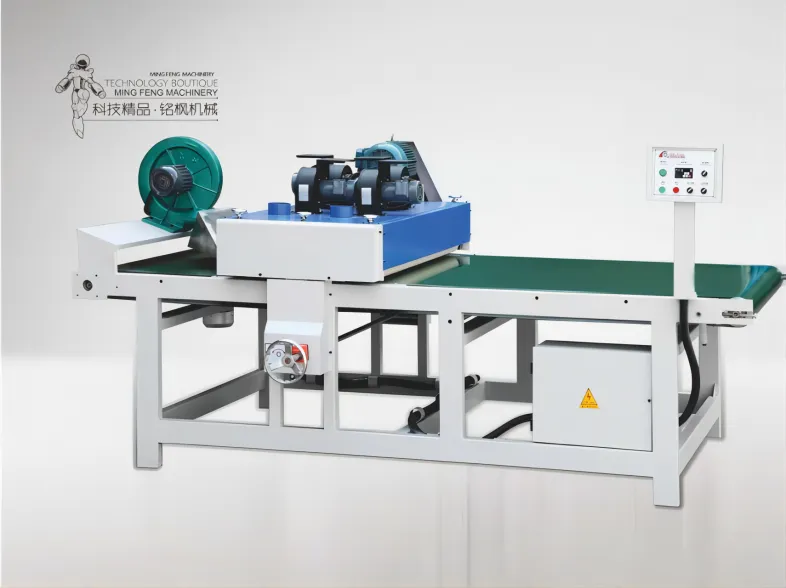
What are the differences between different types of dust cleaner machines?
In industrial production, there are various common types of dust remover machines, with different devices being suited to different production environments.
1. Baghouse Dust Collectors
Baghouse dust remover machines utilize filter bags to filter dust-laden air and are a widely used type of dust removal equipment in industrial settings.
Their key features include:
•High filtration efficiency
•Suitable for fine dust particles
•Relatively simple structure
2. Cartridge Dust Collectors
Cartridge dust cleaner machines employ filter cartridges as their filtration elements and typically feature a large filtration surface area.
This type of equipment is generally well-suited for production environments with high dust concentrations.
3. Cyclone Dust Collectors
Cyclone dust cleaner machines utilize centrifugal force to separate dust particles and are suitable for handling relatively large dust particles.
This type of equipment is typically used as a pre-treatment device.
4. Wet Dust Collectors
Wet dust collectors capture dust particles using water mist and are suitable for handling dust in specific, specialized environments.
Therefore, when selecting a dust remover machine, it is essential to choose the appropriate type of equipment based on the specific production process.
How do you determine the required air volume capacity for a production line's dust collector?
Air volume capacity is one of the most critical parameters to consider when selecting a dust remover machine.
1. What is Air Volume Capacity?
Processing Air Volume refers to the volume of air that a dust remover machine is capable of processing per hour.
The Importance of Calculating Air Volume
If the air volume of a dust remover machine is too low, it may fail to collect dust effectively; conversely, if the air volume is too high, it may lead to increased energy consumption.
When designing a production line, the required air volume must be calculated based on the following factors:
•Dust generation rate
•Number of dust extraction points
•Duct length
•Duct diameter
Through accurate calculation, a dust collector with the appropriate specifications can be selected.
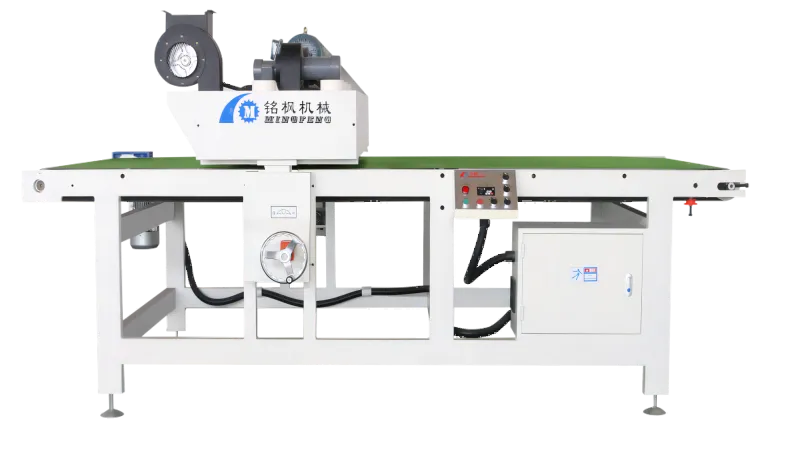
Why is the Filtration System a Key Consideration When Selecting a Dust Collector?
The filtration system is the core component of a dust collector; its performance directly determines the dust collection efficiency.
1. Common Filtration Materials
In industrial dust cleaner machines, common filtration materials include:
•Polyester fiber media
•Glass fiber media
•PTFE-laminated media
Different materials are suited to different dust environments.
2. The Critical Role of the Filtration System
Within a dust collector, the filtration system primarily serves to:
•Capture dust particles
•Purify the air
•Prevent dust emissions
Therefore, the performance of the filtration system is a crucial factor during the equipment selection process.
What Installation Conditions Must Be Considered When Integrating a Dust Collector into a Production Line?
When selecting a dust collector for a production line, the specific environment in which the equipment will be installed must also be taken into account.
1. Equipment Footprint
Different types of dust collectors vary in physical size; therefore, the selection must be guided by the available space within the facility.
2. Ductwork Layout
Dust collection systems typically require connections to multiple dust extraction points; consequently, the layout of the ductwork will also influence the choice of equipment.
3. Maintenance Access
During operation, dust cleaner machines require periodic maintenance; therefore, adequate space must be reserved to facilitate maintenance access.
Establishing appropriate installation conditions ensures the stable and reliable operation of the equipment.
How Can One Assess the Operational Stability of a Dust Collector?
When selecting a dust collector, it is also essential to evaluate the equipment's operational stability.
1. Automatic Cleaning System
Many modern dust collectors are equipped with an automatic cleaning system capable of periodically removing accumulated dust from the surface of the filtration media.
2. Sealing Structure
A robust sealing structure prevents dust leakage, thereby enhancing the overall operational efficiency of the equipment.
3. Control System
Some dust collectors feature an automatic control system that allows for real-time monitoring of the equipment's operational status.
These design features collectively contribute to the enhanced operational stability of the equipment.
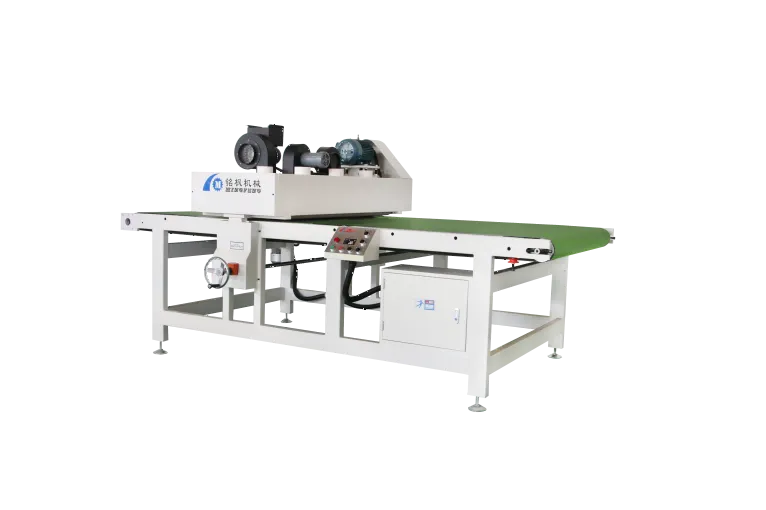
What comprehensive factors should be considered when selecting a dust collector for a production line?
In actual production environments, selecting a dust collector for a production line typically requires a comprehensive assessment of multiple factors, such as:
•Dust type
•Dust concentration
•Airflow volume
•Filtration efficiency
•Installation space
•Ductwork design
By comprehensively analyzing these factors, one can select a dust cleaner machine that is best suited to the specific production line.